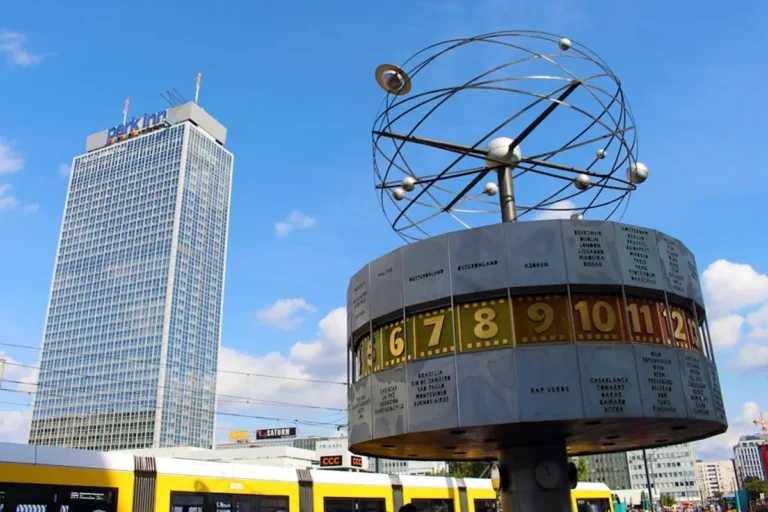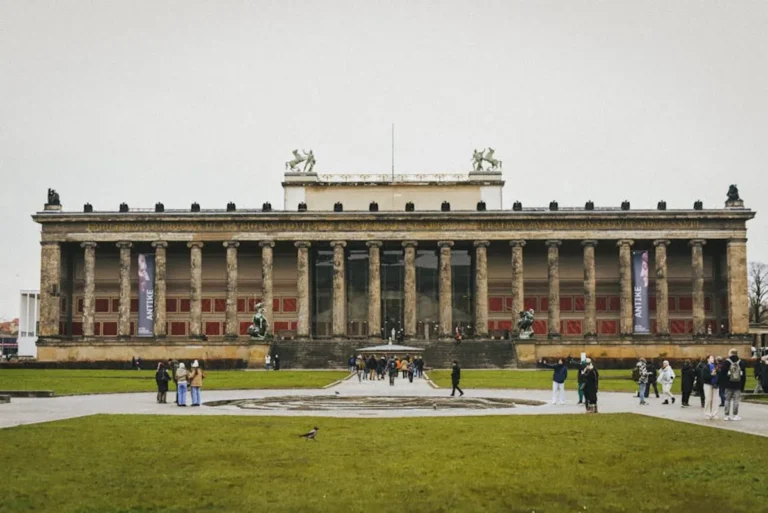
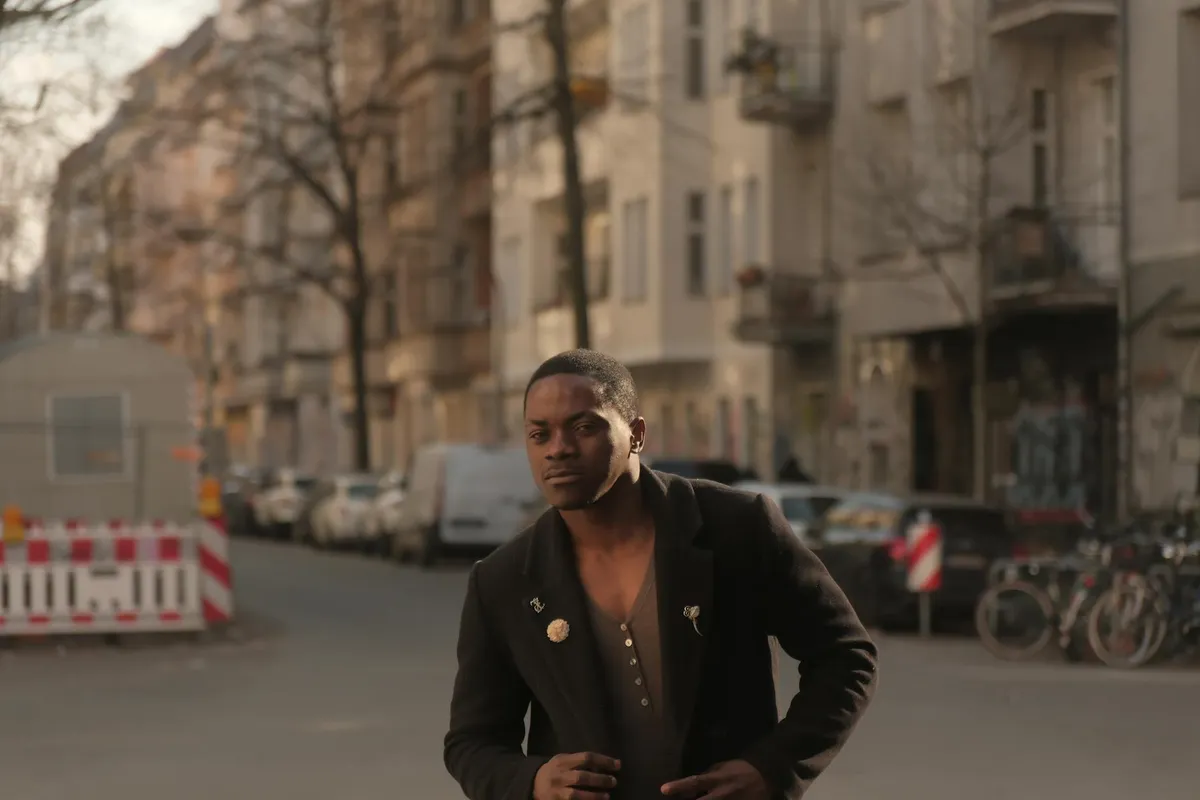
Berlin tourism content shows you the techno clubs, the bohemian neighborhoods, and the cheap rents. The actual experience of living here includes a lot of stuff the marketing leaves out.
Here are 7 honest things about living in Berlin that nobody really warns you about until you are already here.
1. The bureaucracy is genuinely as bad as people say
Registering your address (Anmeldung). Getting a tax ID. Setting up health insurance. Opening a bank account. Each requires a separate appointment, often weeks out, often with paperwork that asks for documents you do not yet have because you cannot get them until you have other documents.
The real situation: Plan to spend 30-50 hours during your first 3 months on bureaucratic tasks. Some of these will be repeat visits because the first attempt was missing some document.
What helps: A relocation service is worth the money for your first month. The Termin (appointment) booking sites need to be checked daily, often at very specific times when slots open.
2. Cash culture is real and surprising
For a major European capital, Berlin runs on cash way more than most people expect. Many restaurants are cash-only. Many small shops do not take cards. Some ATMs charge fees if you are not a local bank customer.
The real situation: Always carry €30-50 in cash. Even in 2026, you will need it more often than you expect.
Why this happens: A combination of regulatory cost, German cultural preference for cash, and small business cost-saving.
3. Sunday closures are still a thing
Most shops are closed on Sundays. This includes grocery stores, pharmacies (with some emergency exceptions), and most retail. The exceptions: train station shops, gas station convenience stores, and a few neighborhood Spätis.
The real situation: Plan grocery shopping for Saturday. Saturdays before holidays are total chaos as everyone stocks up.
What works: Get used to going to the Sunday Bauernmarkt for fresh stuff. The closures actually become kind of nice once you adjust to them — Sunday genuinely feels like rest day.
4. The weather is genuinely depressing for several months
October through March is gray. Often rainy. Often cold without being cold enough to snow much. The sun, when it appears, sets at 3:45 PM in December.
The real situation: Vitamin D deficiency is real. Seasonal depression is real. Many people genuinely struggle with the dark months.
What helps: Vitamin D supplementation (get bloodwork to confirm). Light therapy lamps work. Travel south for at least a week sometime in January-February if you can swing it.
5. Apartment hunting is a nightmare and often unfair
Rental market is brutal. 50+ applicants for any decent apartment. Landlords often discriminate (illegally but enforced minimally). The process favors people with German employment contracts, German credit history, and German names.
The real situation: Plan months for apartment hunting. The "I will find a place when I get there" approach does not work.
What helps: Temporary furnished rentals while you search. WG Gesucht for shared flats. Patience. A really good cover letter and complete application package.
6. Public transport is genuinely excellent — until it is not
The S-Bahn and U-Bahn cover the city well. The 49-Euro ticket (now 58 in 2026) makes monthly cost minimal. Coverage is consistently good.
The real situation: Routine maintenance closes lines for weeks at a time without warning. Strikes happen multiple times per year. The replacement bus service is often awful.
What helps: Use BVG Fahrinfo or similar apps for live updates. Have a backup route in mind for important appointments. A bicycle is a great backup for short distances.
7. Making German friends is harder than expected
Germans are typically friendly but reserved. Friendships develop slowly. The expat ease of "let's grab coffee" hits a different rhythm with German colleagues and neighbors.
The real situation: Most expats develop primarily expat friend groups in their first 1-2 years. German friendships develop later, if at all, and require more sustained effort.
What helps: Join activities (sports clubs, language tandems, hobby groups) where the relationship has structure beyond pure socializing. German friendships develop around shared activity more than around bar conversation.
What is actually great about living here
To balance the complaints, things that are genuinely great:
- Public transport plus bike infrastructure. You do not need a car. This is liberating.
- Park access. Tiergarten, Tempelhofer Feld, Treptower Park, smaller neighborhood parks. Green space is everywhere.
- Cultural depth. Museums, music, theatre, film — at world-class level, often inexpensive.
- Multilingual environment. You can largely live in English if needed, though German makes life dramatically better.
- Reasonable cost of living. Compared to London, Paris, or major US cities, Berlin is still affordable (though increasingly less so).
- Work-life balance. Genuinely different from American work culture. Six weeks vacation is normal. Sundays are protected. People actually use their time off.
- Diversity of experience. Whatever subculture you are into probably has a Berlin version. The city contains multitudes.
Should you move here?
Honest answer: Berlin is great for some people and not for others.
Move here if: You like cities, you handle gray weather okay, you are willing to learn German over time, you appreciate culture and food more than amenities and shopping, you can tolerate bureaucracy as the price of admission.
Skip if: You need year-round sun, you want service-economy convenience, you do not handle structural inefficiency well, you want a city that runs on cards and apps.
The takeaway
Berlin is not the cool techno party city in tourism content. It is a real city with real life and real frustrations. People who love it usually love it for the long haul. People who hate it usually leave within 2 years.
If you are considering moving, visit for at least 2 weeks in winter (not summer) before deciding. Summer Berlin is Instagram. Winter Berlin is the actual experience.