Navigating Berlin in a single weekend presents a unique challenge: balancing its expansive history, dynamic culinary scene, and world-renowned nightlife requires focused planning. This guide distills the city's essentials, providing actionable recommendations to maximize a short visit across these three core pillars. The objective is to equip visitors with a strategic framework, ensuring impactful experiences rather than superficial glances, and to allocate limited time and resources effectively for a memorable, authentic Berlin immersion. To truly capture the city's spirit, understanding Berlin's vibrant nightlife is key, offering a unique energy after dark.
Curating Berlin's Culinary Landscape
Berlin's food scene reflects its multicultural identity, offering everything from traditional German fare to avant-garde international cuisine. Strategic dining choices can significantly enhance your weekend experience. Exploring Berlin's diverse food scene offers a delicious journey into the city's multicultural heart.
Essential Street Food and Casual Bites
For an authentic taste of Berlin, street food is non-negotiable. The city's iconic Currywurst is best sampled from a classic imbiss; consider Curry 36 in Kreuzberg for a consistently high-quality experience. Döner Kebab, a staple, reaches its pinnacle in districts like Kreuzberg, where establishments like Mustafa's Gemüsekebap often draw queues for their fresh, vegetable-laden versions. For diverse international options, Markthalle Neun in Kreuzberg hosts "Street Food Thursday," a weekly event showcasing global culinary talents, though it requires specific timing.
Refined Dining and Brunch Spots
Berlin also caters to more upscale palates. Prenzlauer Berg offers a concentration of refined restaurants and chic brunch spots. Consider areas around Kollwitzplatz for establishments serving modern European cuisine with an emphasis on seasonal, regional ingredients. For a unique culinary experience, investigate restaurants offering tasting menus that reinterpret German classics, often found in Mitte or Charlottenburg. Reservations are critical for these venues, particularly on weekend evenings.
- Must-try street food: Currywurst, Döner Kebab.
- Key food districts: Kreuzberg (diverse, street food), Prenzlauer Berg (brunch, refined).
- Specialty: Craft beer scene is robust; look for local breweries in Neukölln or Friedrichshain.
- Vegetarian/Vegan: Berlin is a global leader in plant-based dining; options are abundant city-wide.
Engaging with Berlin's Rich Culture
Berlin's cultural offerings span millennia, from ancient artifacts to contemporary art installations. Prioritizing key sites is essential for a weekend traveler.
Historical Landmarks and Memorials
Begin with landmarks that define Berlin's 20th-century history. The Brandenburg Gate and the Reichstag Building (requiring advance registration for dome access) are central. The Berlin Wall Memorial on Bernauer Straße offers a poignant and comprehensive outdoor exhibition on the Wall's history and impact, providing a more detailed perspective than shorter segments like the East Side Gallery. For a deeper dive into WWII history, the Topography of Terror exhibition is free and located on the former site of the SS and Gestapo headquarters.
Museums and Art Spaces
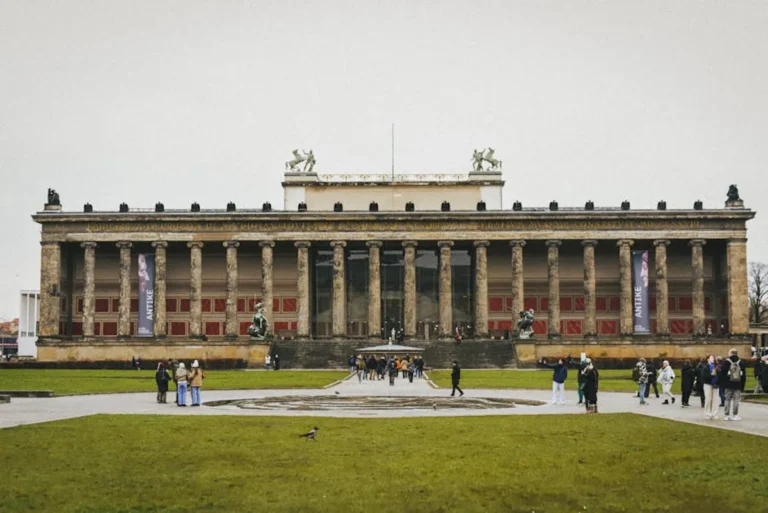
Museum Island, a UNESCO World Heritage site, houses five internationally significant museums. The Pergamon Museum (currently undergoing extensive renovation, check specific exhibits) and the Neues Museum (home to the bust of Nefertiti) are primary draws. For contemporary art, the Hamburger Bahnhof – Museum für Gegenwart is a notable institution. Alternatively, the East Side Gallery, the longest open-air gallery in the world, showcases murals painted on a surviving section of the Berlin Wall, offering a blend of history and street art.
Pro Tip: For efficient cultural exploration, consider purchasing a Berlin WelcomeCard. It combines unlimited public transport with discounts on attractions and museums, potentially saving both time and money, especially if you plan to visit multiple paid sites. Evaluate the 72-hour option for weekend trips.
Navigating Berlin's Nightlife
Berlin's nightlife is legendary, characterized by its diverse venues and liberal atmosphere. Understanding the distinct scenes in different districts is key to finding your preferred experience.
Clubbing and Electronic Music
Friedrichshain and Kreuzberg are the epicenters of Berlin's electronic music scene. Clubs like Berghain/Panorama Bar (known for its strict door policy and techno focus) and Sisyphos (a sprawling, multi-floor complex with diverse music) are world-renowned. Expect queues and an emphasis on the music experience. Research specific club nights and their musical offerings to align with your preferences. Entry is often cash-only, and photo-taking is generally prohibited inside.
Bars, Pubs, and Live Music
For a more relaxed evening, Berlin offers a wealth of bars and pubs. Neukölln is known for its independent bars, from cozy cocktail lounges to dive bars with a local feel. Mitte and Prenzlauer Berg feature more upscale cocktail bars and wine bars. For live music, check schedules at venues in Kreuzberg or Friedrichshain, which often host local and international bands across various genres, from jazz to indie rock.
Strategic Weekend Planning
Effective planning ensures a seamless Berlin weekend. Prioritize your interests: if nightlife is paramount, allocate more time to Friedrichshain/Kreuzberg evenings. If culture dominates, focus on Museum Island and historical sites during the day. Utilize Berlin's efficient public transport system (U-Bahn, S-Bahn, tram, bus) for quick transit between districts. Purchase tickets in advance or use a travel card. Always carry some cash, as many smaller establishments and clubs prefer or require it.
Frequently Asked Questions
What is the best way to get around Berlin for a weekend?
Berlin's public transport system (BVG) is extensive and efficient. A 72-hour ticket or a Berlin WelcomeCard is often the most cost-effective option for unlimited travel on U-Bahn, S-Bahn, trams, and buses.
Do I need to book attractions in advance for a weekend trip?
For popular attractions like the Reichstag dome, specific museum exhibitions, or high-demand restaurants, advance booking is highly recommended to secure entry and avoid long queues, especially on weekends.
What is the typical cost for a weekend in Berlin?
Costs vary widely based on accommodation, dining choices, and nightlife preferences. A mid-range budget for a weekend (excluding flights/long-distance travel) could range from €150-€250 per person per day, covering meals, transport, and some attractions/evening activities.
Is Berlin safe for tourists?
Berlin is generally a safe city for tourists. Standard precautions apply, such as being aware of your surroundings, especially in crowded areas or late at night, and safeguarding personal belongings. Public transport is safe and reliable.