Berlin presents an expansive cultural landscape, particularly its museums, which can overwhelm first-time visitors. The sheer volume and historical depth demand a strategic approach to ensure a rewarding experience. This guide focuses on optimizing your visit, providing actionable insights for navigating Berlin's key museum offerings, managing time and budget effectively, and enhancing your overall cultural immersion.
Navigating Berlin's Core Museum Districts
Berlin's museums are not scattered randomly; they often coalesce into distinct districts, each with a unique thematic focus. Understanding these clusters is crucial for efficient planning and thematic continuity during your visit. Attempting to jump between disparate locations without a clear itinerary leads to wasted time and diminished appreciation.
Museum Island: A UNESCO World Heritage Site
This iconic ensemble, situated on the Spree River, houses five internationally significant museums. It is the most concentrated cultural offering in Berlin and typically a priority for first-time visitors. The collections here span ancient civilizations, classical art, and 19th-century European painting.
- Pergamon Museum: Known for monumental reconstructions like the Pergamon Altar and Ishtar Gate.
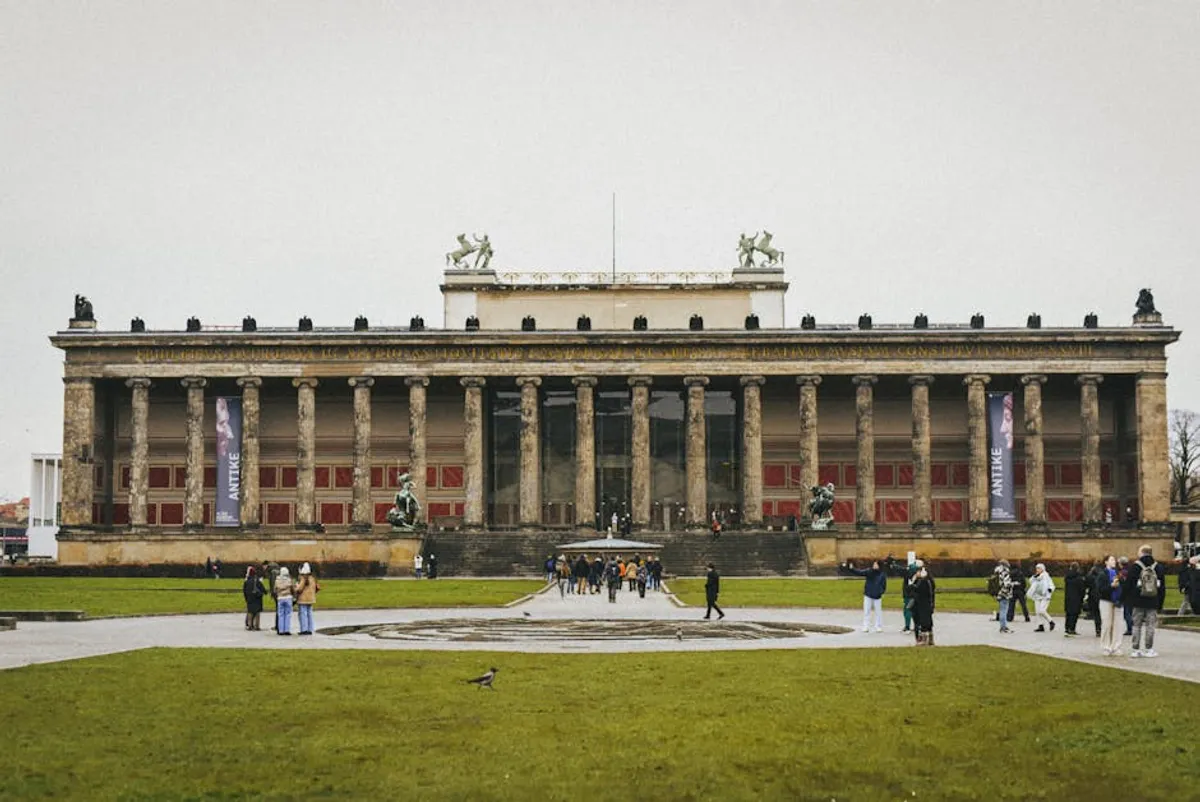
Best for: Ancient architecture, Near Eastern art, Islamic art. - Altes Museum: Features Greek and Roman antiquities, including sculptures, jewelry, and coins.
Best for: Classical antiquity, ancient portraiture. - Neues Museum: Home to the Egyptian Museum and Papyrus Collection, famously housing the bust of Nefertiti.
Best for: Ancient Egypt, prehistory, early history. - Bode Museum: Showcases sculptures, Byzantine art, and a coin cabinet.
Best for: Sculpture from the Middle Ages to the 18th century, Byzantine art. - Alte Nationalgalerie: Displays Romantic, Impressionist, and early Modern art.
Best for: 19th-century painting and sculpture.
Strategic Approach: Due to ongoing renovations, especially at the Pergamon Museum, verify access to specific halls or exhibits in advance. A single day is insufficient to thoroughly explore all five; prioritize based on your specific interests. Consider a Museum Island Pass for cost-effectiveness if planning multiple visits within the cluster.
Historical Reflection: Beyond Museum Island
Berlin's history, particularly the 20th century, is deeply embedded in its urban fabric and reflected in several powerful museums outside Museum Island. These sites offer critical perspectives on significant periods.
- DDR Museum: An interactive exploration of daily life in East Germany.
Best for: Social history, immersive exhibits. - Jewish Museum Berlin: Explores German-Jewish history and culture through architecture and exhibits.
Best for: Cultural history, architectural experience. - Topography of Terror: Located on the former sites of Nazi regime institutions, it documents the terror of the Third Reich.
Best for: Contemporary history, political documentation.
Strategic Approach: These museums are emotionally impactful and require dedicated time for reflection. Avoid scheduling them back-to-back with lighter, art-focused museums to prevent emotional fatigue.
Strategic Ticketing and Time Management
Effective planning extends beyond selecting museums; it involves optimizing your entry and visit duration. Berlin offers various ticketing options designed to streamline access and manage costs.
Museum Pass Berlin: This three-day pass grants entry to over 30 museums, including most on Museum Island and others like the Jewish Museum.
Consideration: It becomes cost-effective if you plan to visit at least three to four paid museums within a 72-hour period. Calculate potential savings based on individual ticket prices for your chosen sites.
Single Tickets vs. Online Booking: For popular museums, purchasing timed-entry tickets online in advance is highly recommended. This bypasses long queues, particularly during peak tourist seasons or weekends. Spontaneous visits risk significant wait times or even sold-out entry slots.
Time Allocation: Budget a minimum of 2-3 hours per major museum, especially for those with extensive collections or interactive elements. Smaller, more focused museums might require 1-1.5 hours. Account for travel time between locations, even within Museum Island, where walking between sites is common.
Pro Tip: Many Berlin museums offer specific free entry days or late opening hours once a week. Check individual museum websites for these opportunities, as they can significantly reduce costs, though they may also lead to increased crowds.
Enhancing Your Museum Experience
Beyond simply viewing exhibits, several elements can deepen your engagement and understanding.
Audio Guides: Most major museums provide audio guides in multiple languages. These offer contextual information, historical narratives, and highlight key artifacts, enriching the self-guided experience. Factor in the small additional cost for this valuable resource.
Guided Tours: For a more structured and interpretive experience, consider joining a museum-led tour. These are often included with admission or available for a nominal fee and provide expert insights into specific collections or themes.
Breaks and Refreshments: Museum fatigue is real. Plan short breaks, utilize museum cafes for coffee or a light meal, and find quiet spots to sit and process information. This helps maintain focus and enjoyment throughout your visit.
Practical Considerations for a Smooth Visit
Anticipating logistical details ensures a more comfortable and productive museum day.
Transportation: Berlin's public transport (U-Bahn, S-Bahn, tram, bus) is efficient. Plan routes between museums using apps like Google Maps or the BVG Fahrinfo app. Purchase day tickets or multi-day passes if you anticipate frequent travel.
Accessibility: Most modern and renovated museums in Berlin are wheelchair accessible. However, older buildings, particularly on Museum Island, may have limited accessibility in certain sections due to historical preservation constraints. Verify specific accessibility details on individual museum websites if required.
Bag Policy: Large bags, backpacks, and sometimes even medium-sized purses are often not permitted inside exhibition halls and must be checked into lockers or cloakrooms. This process can add 10-15 minutes to your entry time, so factor it into your schedule.
Optimizing Your Cultural Investment
A successful first-time museum visit in Berlin stems from informed choices and efficient execution. Prioritize museums that align with your core interests, leverage combined ticketing options, and allocate sufficient time for both viewing and reflection. By planning strategically, you transform potential overwhelm into a curated, enriching cultural journey, maximizing the value of your time and financial investment in Berlin’s unparalleled museum offerings.
Frequently Asked Questions
How many museums can I realistically visit in one day?
For a first-time visitor, focusing on one major museum or a cluster of two smaller, thematically linked museums in a single day is realistic to avoid fatigue and allow for genuine appreciation. Attempting more often leads to a rushed, less fulfilling experience.
Is the Museum Pass Berlin always the best option?
The Museum Pass Berlin is cost-effective if you plan to visit at least 3-4 paid museums within a 72-hour window. If your interests are limited to one or two specific sites, purchasing individual timed-entry tickets online for those museums is generally more economical.
What are the best times to visit to avoid crowds?
Weekdays, particularly Tuesday through Thursday, and early mornings immediately after opening (e.g., 9-10 AM) are typically less crowded. Avoid weekends, public holidays, and mid-day peaks (11 AM - 3 PM) for a more relaxed experience.
Are there any free museums in Berlin?
While most major state museums charge an entrance fee, some smaller institutions or specific exhibits may offer free entry. Additionally, many state museums offer free admission on the first Sunday of every month. Always check individual museum websites for current policies and special events.