
Berlin, a city layered with history and buzzing with contemporary culture, offers an expansive range of activities for any weekend visitor. Deciding how to spend just two or three days requires a focused approach, balancing iconic landmarks with local experiences. This guide outlines diverse options, from deep dives into historical narratives to explorations of vibrant neighborhoods and culinary scenes, allowing for a tailored itinerary that maximizes a short visit. This guide outlines diverse options for your itinerary, from deep dives into historical narratives to explorations of vibrant neighborhoods and culinary scenes, allowing for a tailored itinerary that maximizes a short visit.
Exploring Berlin's Cultural Landmarks
Museum Island's Offerings
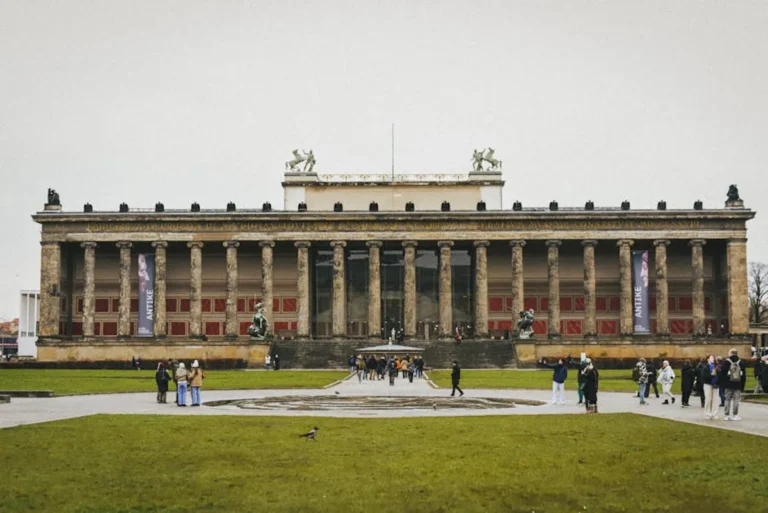
A UNESCO World Heritage site, Museum Island consolidates five major museums, providing a concentrated dose of art, history, and archaeology. The Pergamon Museum, currently undergoing extensive renovations with its Pergamon Altar hall closed, still offers compelling exhibits like the Ishtar Gate of Babylon. For Egyptian art, the Neues Museum houses the renowned bust of Nefertiti. The Altes Museum focuses on classical antiquity, while the Bode-Museum presents Byzantine art and sculpture. The Alte Nationalgalerie showcases 19th-century European art. To navigate this cluster efficiently, consider purchasing a Berlin WelcomeCard or a Museum Pass Berlin, which offer tiered access and can save both time and money. Early morning visits are advisable, particularly for the Neues Museum, to avoid peak crowds.
Historical Sites Beyond the Wall
Berlin's recent past is palpable throughout the city. The Brandenburg Gate stands as a symbol of unity and peace, a central point for many historical walks. Nearby, the Reichstag Building, Germany's parliament, offers panoramic city views from its glass dome; advance online registration is mandatory and often requires booking weeks ahead. The Memorial to the Murdered Jews of Europe provides a somber, thought-provoking experience, with its field of concrete slabs inviting quiet contemplation. For a direct encounter with the city's division, the East Side Gallery, a 1.3-kilometer stretch of the former Berlin Wall adorned with murals, serves as the world's longest open-air gallery. Checkpoint Charlie, while commercialized, still marks a significant Cold War crossing point, offering context on the city's divided era.
Immersive Local Experiences
Navigating Berlin's Markets
Weekends in Berlin are synonymous with market culture. The Mauerpark Flea Market on Sundays in Prenzlauer Berg is a quintessential Berlin experience, combining vintage finds, street food, and impromptu karaoke. It's less about high-value antiques and more about atmosphere and people-watching. For culinary exploration, Markthalle Neun in Kreuzberg, while famous for its "Street Food Thursday," also hosts various themed markets on weekends, including a weekly market with regional produce and artisan goods. These markets offer a direct way to engage with local life and sample diverse flavors beyond traditional restaurants.
Green Spaces and Relaxation
Berlin is remarkably green, with numerous parks and recreational areas. Tiergarten, the city's largest park, offers miles of walking and cycling paths, leading to attractions like the Victory Column (Siegessäule), which provides another vantage point over the city. Tempelhofer Feld, the site of the former Tempelhof Airport, has been transformed into a vast public park. Its wide-open runways are now used for cycling, skateboarding, kite-flying, and picnics, offering a unique urban landscape for relaxation and activity. These spaces provide a contrast to the city's urban intensity, allowing for moments of calm and recreation.
Evening Entertainment and Dining
Culinary Journeys
Berlin's food scene is as diverse as its population. For traditional German fare, look for restaurants in areas like Mitte or Charlottenburg, offering dishes such as Schnitzel, Currywurst, and Eisbein. However, the city truly shines in its international offerings. Kreuzberg and Neukölln are hubs for Turkish, Vietnamese, and Middle Eastern cuisine, often at accessible price points. Prenzlauer Berg offers a wider array of upscale and modern European restaurants. Booking ahead is recommended for popular establishments, especially on Friday and Saturday evenings. Don't overlook the burgeoning vegan and vegetarian scene, which is particularly strong in districts like Friedrichshain and Neukölln.
Live Music and Nightlife
Berlin's reputation for nightlife is well-earned. While techno clubs like Berghain are globally recognized, the city offers a spectrum of evening entertainment. For live music, venues like Lido and SO36 in Kreuzberg host a variety of bands, from indie to punk. Jazz clubs such as A-Trane in Charlottenburg or the b-flat Acoustic Music & Jazz Club in Mitte provide more intimate settings. Cocktail bars abound in areas like Mitte, Prenzlauer Berg, and Neukölln, each with distinct atmospheres ranging from speakeasy-style to avant-garde. Researching specific events and booking tickets in advance, particularly for popular shows or clubs, is a practical step.
Pro Tip: Berlin's public transport system (BVG) is efficient and extensive, covering buses, trams, U-Bahn (subway), and S-Bahn (urban rail). A 24-hour or 48-hour ticket for zones A and B (covering most tourist attractions) is often the most cost-effective way to navigate. Download the BVG app for real-time schedules and ticket purchases, but always validate your ticket before starting your journey to avoid fines.
To make the most of a Berlin weekend, consider these practical points:
- Comfortable Footwear: Much of Berlin is best explored on foot, especially within districts or between nearby attractions.
- Language Basics: While English is widely spoken, learning a few German phrases like "Bitte" (please), "Danke" (thank you), and "Entschuldigung" (excuse me) is always appreciated.
- Cash for Small Vendors: Many smaller shops, cafes, and market stalls prefer or only accept cash.
- Check Opening Hours: Museum and attraction hours can vary, particularly on public holidays. Verify schedules online before planning your day.
- Flexibility: Berlin offers endless possibilities. While planning is good, allow for spontaneous discoveries.
Planning Your Weekend Itinerary
Crafting a successful Berlin weekend involves prioritizing interests and grouping geographically proximate activities. For example, dedicate a morning to Museum Island, followed by an afternoon exploring nearby historical sites like the Brandenburg Gate and Reichstag. Alternatively, immerse yourself in a single neighborhood, such as Kreuzberg, spending time at Markthalle Neun, exploring street art, and enjoying its diverse culinary scene. Remember that Berlin is a sprawling city; attempting to see everything in a single weekend is unrealistic. Focus on a few key experiences that align with your primary interests, whether that's history, art, food, or nightlife, to ensure a memorable and manageable trip. Berlin can be relatively affordable compared to other major European capitals, offering many affordable options for travelers if you explore local eateries and markets.
Frequently Asked Questions
Q: What's the best way to get around Berlin for a weekend?
A: Berlin's public transport (U-Bahn, S-Bahn, tram, bus) is highly efficient. A 24-hour or 48-hour ticket for zones A-B is usually the most convenient option for tourists.
Q: Is Berlin an expensive city for a weekend trip?
A: Berlin can be relatively affordable compared to other major European capitals. Accommodation varies, but food and public transport are generally reasonably priced, especially if you explore local eateries and markets.
Q: How many days are ideal for a first-time visitor to Berlin?
A: While a weekend allows for a concentrated experience, three to four full days are often recommended for a first-time visitor to comfortably cover major historical sites, museums, and a taste of local culture without feeling rushed.
Q: Do I need to book attractions in advance for a weekend visit?
A: For popular attractions like the Reichstag Dome, the Neues Museum (Nefertiti bust), or specific live music events, booking well in advance (sometimes weeks) is highly recommended to secure your preferred time slots and avoid long queues.