Berlin's cultural landscape offers a distinct blend of historical depth, contemporary innovation, and a pragmatic approach to urban living. For visitors and long-term residents alike, navigating this multifaceted environment requires an understanding of its core components: the dynamic calendar of events, the diverse culinary scene, and the characteristic lifestyle that defines its neighborhoods. This guide outlines key facets of Berlin's cultural fabric, providing practical entry points for engaging with the city's unique offerings. Understanding the characteristic lifestyle that defines its neighborhoods is key to truly experiencing Berlin.
Berlin's Event Calendar: Festivals, Arts, and History
The city maintains a year-round schedule of events spanning major international festivals, avant-garde art installations, and historical commemorations. Understanding the seasonal rhythm helps in planning participation.
- Spring & Summer (March-August): This period is marked by outdoor events. The Karneval der Kulturen in June showcases the city's multiculturalism through parades and street festivals. The Berlin International Music Festival and various open-air concerts dominate the summer months. Film festivals, such as the Berlinale in February, bridge into spring, drawing global attention.
- Autumn (September-November): Focus shifts to art and light. The Berlin Art Week in September brings together galleries, private collections, and project spaces. October features the Festival of Lights, transforming landmarks with artistic projections. Theater and opera seasons also commence, with institutions like the Berliner Ensemble and the Deutsche Oper Berlin presenting new programs.
- Winter (December-February): Traditional Christmas markets are prevalent, alongside indoor cultural events. The New Year's Eve celebration at the Brandenburg Gate is a major public gathering. Throughout winter, museums and galleries offer special exhibitions, providing refuge from colder weather while maintaining cultural engagement.
Pro Tip: Many popular events, particularly during summer and major festivals, require advance booking for tickets or accommodation. Checking official city tourism sites or event-specific platforms several weeks ahead can secure better access and avoid disappointment.
Engaging with Berlin's Arts Scene
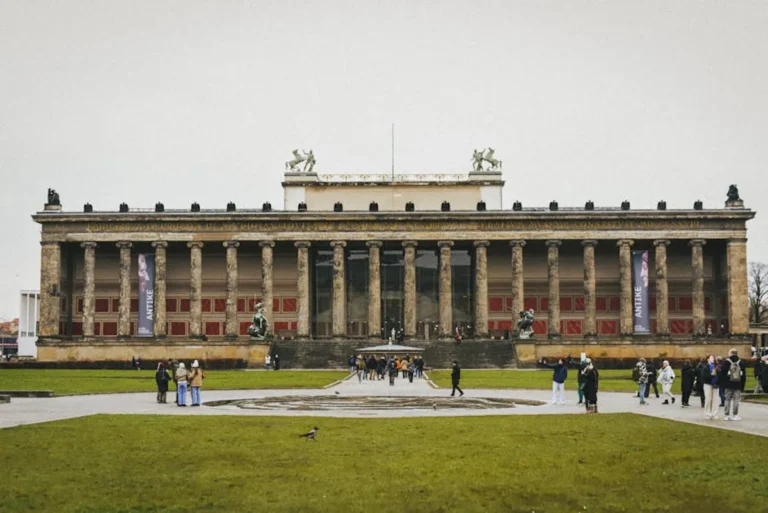
Berlin's art scene is characterized by its experimental nature and accessibility. Beyond institutional galleries like the Hamburger Bahnhof and the Pergamon Museum, independent project spaces and artist studios are prevalent, particularly in districts like Mitte, Kreuzberg, and Neukölln. Public art installations and street art are integral to the urban aesthetic, with sites like the East Side Gallery serving as prominent examples of historical and artistic expression.
Culinary Berlin: From Traditional to Global
Berlin's food scene reflects its history as a melting pot, offering both traditional German fare and a vast array of international cuisines. The emphasis is often on quality ingredients, affordability, and a relaxed dining atmosphere. Berlin's food scene reflects its history as a melting pot, offering both traditional German fare and a vast array of international cuisines.
Exploring Local Flavors
Traditional Berlin dishes are hearty and pragmatic. Currywurst, a sliced sausage with curry ketchup, remains a ubiquitous street food, particularly from vendors like Curry 36 or Konnopke’s Imbiss. Döner Kebab, introduced by Turkish immigrants, has become an iconic Berlin staple, with numerous high-quality establishments across the city. For more substantial meals, local restaurants offer dishes like Eisbein (pickled ham hock) and Königsberger Klopse (meatballs in caper sauce), often accompanied by regional beers.
International and Experimental Dining
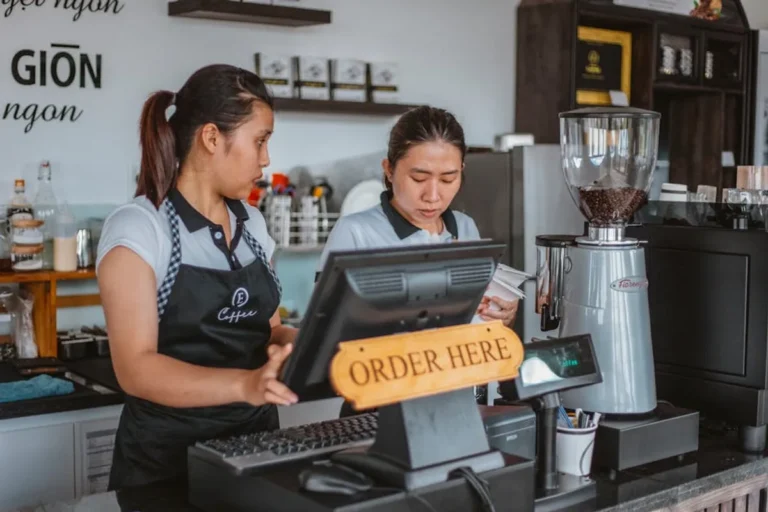
The city's international character is most evident in its diverse restaurant offerings. Vietnamese, Middle Eastern, and Italian cuisines are particularly strong, with authentic and innovative options available in almost every district. Kreuzberg and Neukölln are hubs for experimental dining, featuring fusion concepts and pop-up restaurants. Vegan and vegetarian options are also widely available and integrated into mainstream dining culture, reflecting a broader lifestyle trend.
Best for: Street food and casual dining: Markthalle Neun (Thursdays for Street Food Thursday), various food trucks, and neighborhood imbisses. Fine dining: Michelin-starred establishments concentrated in Mitte and Charlottenburg, focusing on modern European and German cuisine.
Berlin Lifestyle: Neighborhoods, Nightlife, and Green Spaces
The Berlin lifestyle is defined by its distinct neighborhoods, each with its own character, from the bohemian charm of Prenzlauer Berg to the edgy appeal of Neukölln. This decentralized structure fosters a sense of local community while contributing to the city's overall dynamic.
Neighborhood Identity and Urban Exploration
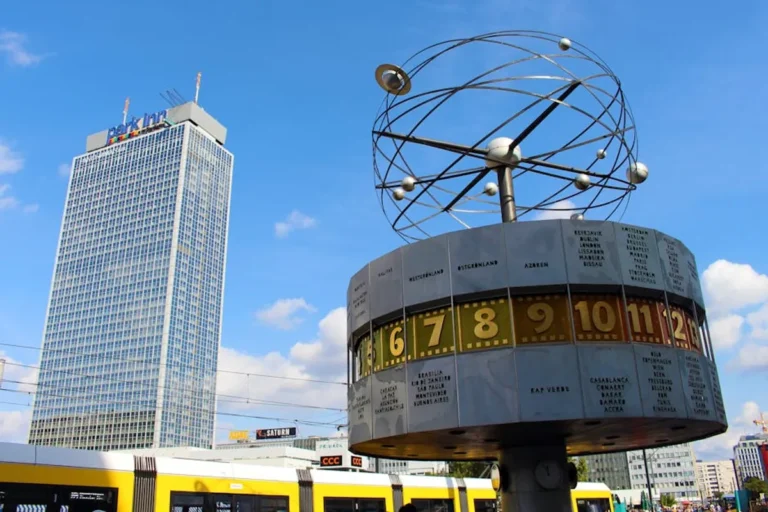
Each district offers a unique atmosphere. Mitte serves as the historical and governmental center, blending landmarks with high-end retail. Kreuzberg is known for its vibrant nightlife, diverse community, and street art. Prenzlauer Berg offers a more family-friendly, gentrified environment with boutique shops and cafes. Friedrichshain is characterized by its alternative culture, clubs, and vintage markets. Exploring these areas on foot or by bicycle reveals the nuances of Berlin's urban fabric.
Nightlife and Cultural Institutions
Berlin's nightlife is globally renowned, particularly for its electronic music scene centered around clubs like Berghain and Sisyphos. Beyond the club scene, numerous bars, live music venues, and cultural institutions offer evening entertainment. The city's theater landscape is robust, with both state-funded and independent stages presenting a wide range of productions.
Green Spaces and Recreation
Despite its urban density, Berlin boasts extensive green spaces. Tiergarten, the city's largest park, offers expansive lawns, walking paths, and historical monuments. Tempelhofer Feld, a former airport transformed into a public park, provides unique recreational opportunities like cycling, skating, and kite flying on its vast runways. The numerous lakes and rivers, such as the Wannsee and Spree, offer swimming, boating, and waterside relaxation during warmer months.
Pro Tip: Public transport in Berlin is efficient and extensive, covering all major cultural sites and neighborhoods. Utilizing the U-Bahn (subway), S-Bahn (urban rail), trams, and buses is often the most practical way to navigate the city, especially when exploring different districts or attending late-night events.
Navigating Berlin's Cultural Offerings
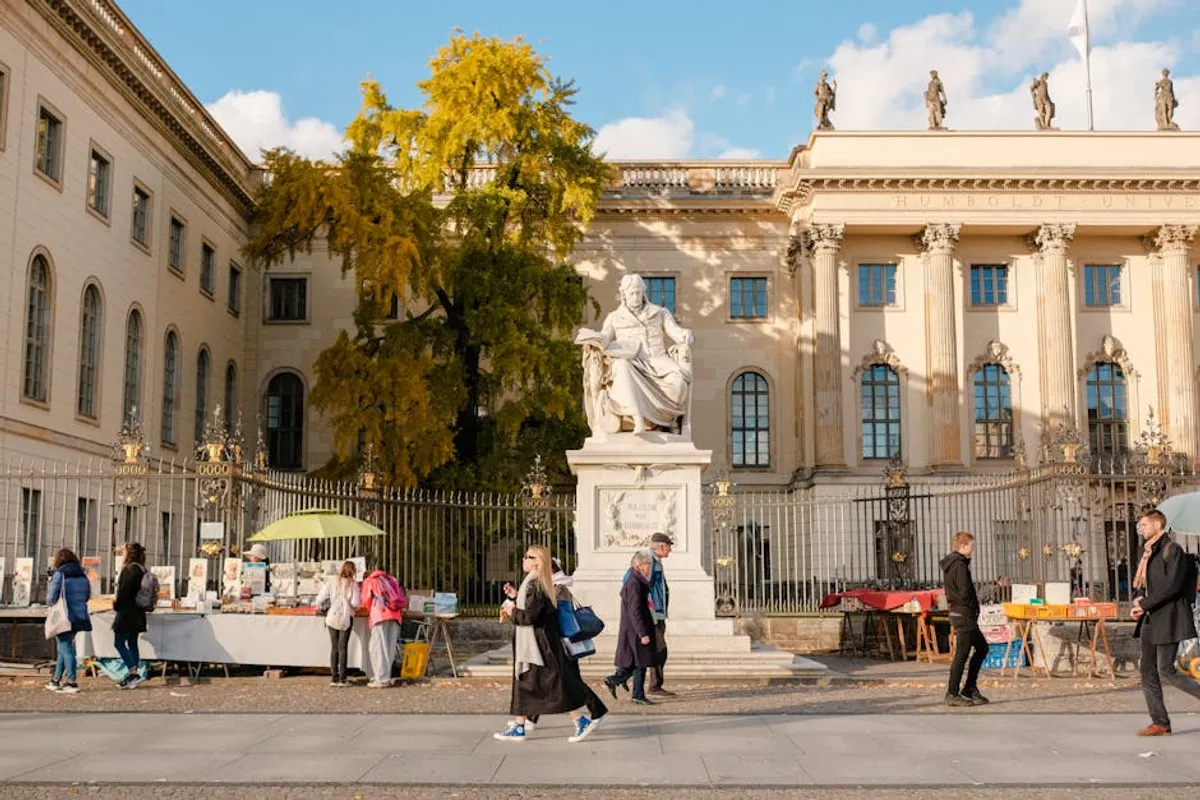
Engaging with Berlin's culture involves more than just visiting landmarks; it requires immersion in its daily rhythms and diverse offerings. Prioritizing specific interests—whether it's avant-garde art, historical exploration, culinary adventures, or vibrant nightlife—will shape your experience. The city's decentralized nature means that cultural highlights are spread across various districts, encouraging exploration beyond the immediate city center. Leverage local guides, online event calendars, and neighborhood-specific resources to uncover the most relevant and enriching experiences.
Frequently Asked Questions About Berlin Culture
What is the best time to experience Berlin's major cultural events?
The summer months (June-August) are ideal for outdoor festivals and open-air concerts, while autumn (September-November) is strong for art exhibitions and light festivals. Major film and theater seasons run from autumn through spring.
Are there specific food experiences unique to Berlin?
Yes, traditional street foods like Currywurst and Döner Kebab are iconic. For a more sit-down experience, look for restaurants offering Eisbein or Königsberger Klopse. The city also excels in diverse international cuisines, particularly Vietnamese and Middle Eastern.
How can I best explore Berlin's distinct neighborhood lifestyles?
Allocate dedicated time to explore specific districts like Mitte, Kreuzberg, Prenzlauer Berg, or Neukölln on foot or by bicycle. Each has a unique atmosphere, local shops, cafes, and cultural venues that define its lifestyle.
Is Berlin an expensive city for cultural activities?
Compared to other major European capitals, Berlin offers a relatively affordable cultural experience. Many museums have free admission days, street art is free to view, and street food is inexpensive. Club entry fees vary, but there are numerous free or low-cost events available.