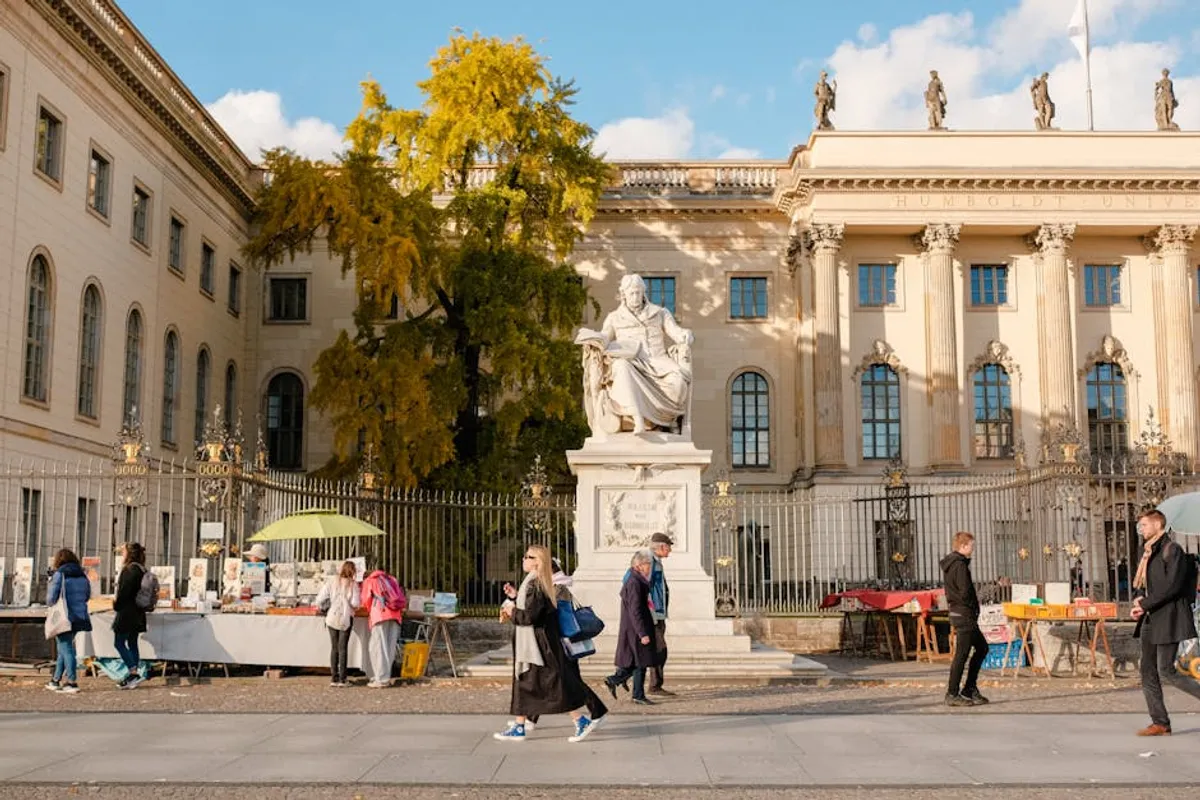
Berlin, a city layered with history and vibrant modernity, presents a unique cultural tapestry for residents and visitors alike. Understanding its dynamic cultural landscape—from its diverse events to its innovative food scene and distinctive lifestyle—offers more than just a travel itinerary; it provides insights into urban development, consumer trends, and niche market opportunities. This guide delves into the core components of Berlin's cultural identity, offering a structured overview for those seeking to appreciate its unique blend of tradition and avant-garde.
Navigating Berlin's Event Landscape
Berlin’s event calendar is a year-round cycle of major international gatherings and hyper-local community activations. This constant flux creates a fertile ground for cultural engagement and offers a barometer for emerging trends in arts, music, and social discourse.
Major Festivals and Annual Highlights
The city hosts globally recognized events that draw significant international attention and local participation. The Berlinale, one of the world's leading film festivals held annually in February, showcases a broad spectrum of cinematic works, from arthouse films to blockbusters, often setting industry trends for the year. The Karneval der Kulturen in May/June celebrates Berlin's multiculturalism through parades, street festivals, and performances, reflecting the city's diverse demographics. In late summer, the Lollapalooza music festival transforms Olympic Park into a major concert venue, attracting a younger demographic and highlighting current music industry shifts. These events are not merely entertainment; they are economic drivers and cultural touchstones that shape public perception and local commerce.
Niche and Underground Scenes
Beyond the marquee events, Berlin thrives on its decentralized network of niche and underground cultural activities. These often operate in temporary spaces, disused industrial sites, or independent galleries, fostering a sense of discovery and exclusivity. Examples include pop-up art exhibitions in Mitte courtyards, experimental music nights in Neukölln basements, or independent theatre performances in Kreuzberg. Information for these events often circulates through specialized online platforms, local newsletters, or word-of-mouth networks. Monitoring these smaller-scale events can reveal early indicators of cultural shifts and emerging creative talent, offering a granular view of the city's artistic pulse.
Pro Tip: To effectively track Berlin's ephemeral cultural events, focus on specific district-level cultural calendars and independent venue listings. Many unique happenings are announced only weeks or days in advance, and often through social media channels or direct mailing lists of specific cultural institutions rather than mainstream event platforms. Engaging with local cultural blogs and art collectives provides a more accurate and timely snapshot than relying solely on major tourism portals.
A Culinary Journey Through Berlin
Berlin's food scene is a testament to its history of immigration and its contemporary embrace of global culinary trends. It’s a market where traditional German fare coexists with pioneering vegan concepts and Michelin-starred innovation, providing a rich field for gastronomic exploration.
Traditional Berlin Cuisine
While often perceived as less refined than other European capitals, Berlin's traditional food offers comfort and a distinct cultural narrative. The Currywurst, a sliced sausage doused in curried ketchup, is an iconic street food, reflecting post-war ingenuity and still generating significant daily sales across thousands of imbisses. The Döner Kebab, though Turkish in origin, achieved its modern popularity and particular style in Berlin, becoming a staple fast-food item. Other traditional dishes like Eisbein (pickled ham hock) and Berliner Weisse (a sour wheat beer often served with a raspberry or woodruff syrup) represent a deeper historical connection to regional tastes and brewing traditions. These items continue to hold commercial value as cultural symbols and accessible entry points to local identity.
International Flavors and Gastronomic Trends
Berlin's culinary landscape is profoundly shaped by its diverse population. The city hosts a robust Vietnamese food scene, particularly in areas like Prenzlauer Berg and Mitte, featuring both traditional and modern interpretations. Middle Eastern cuisine, especially Lebanese and Syrian, has also seen a significant rise, driven by recent immigration and a demand for authentic flavors. Furthermore, Berlin has emerged as a global leader in plant-based dining, with a high concentration of vegan and vegetarian restaurants, cafes, and specialized grocery stores. This trend reflects a broader cultural shift towards sustainability and health-conscious consumption, driving innovation in food product development and restaurant concepts. The presence of multiple Michelin-starred restaurants also signals a growing high-end gastronomic market.
Market Halls and Street Food
Market halls serve as vital community hubs and culinary incubators. Markthalle Neun in Kreuzberg is a prime example, hosting its popular "Street Food Thursday" event which has become a benchmark for urban street food culture, showcasing diverse international cuisines and artisanal producers. Beyond specific events, these halls offer daily access to fresh produce, specialty goods, and prepared foods, acting as micro-economies that support local farmers and small businesses. They are also indicators of consumer preference for fresh, locally sourced, and ethnically diverse food options.
Embracing the Berlin Lifestyle
The Berlin lifestyle is characterized by a blend of artistic freedom, environmental consciousness, and an active nightlife, influencing everything from urban planning to retail and leisure activities.
Art, Design, and Creative Spaces
Berlin is a magnet for artists and designers, fostering a pervasive creative atmosphere. The East Side Gallery, a preserved section of the Berlin Wall covered in murals, is a globally recognized open-air gallery. Beyond this, countless independent galleries, artist studios, and project spaces are scattered throughout districts like Wedding, Neukölln, and Schöneberg, often housed in repurposed industrial buildings. These spaces are not just exhibition venues; they are incubators for new ideas in visual arts, fashion design, and digital media, influencing global trends and attracting creative talent and investment.
Green Spaces and Outdoor Activities
Despite its urban density, Berlin dedicates significant areas to green spaces, which are integral to the local lifestyle. Tempelhofer Feld, a former airport transformed into a public park, exemplifies this, offering vast open areas for cycling, barbecuing, and urban gardening. The Tiergarten, Berlin's largest park, provides a central green lung for relaxation and recreation. The city's numerous lakes (e.g., Wannsee, Müggelsee) and canals support water sports, swimming, and boating, particularly in warmer months. This emphasis on accessible nature reflects a broader European trend towards urban sustainability and well-being, influencing residential choices and recreational product markets.
Nightlife and Music Culture
Berlin's nightlife is internationally renowned, particularly its electronic music scene. Clubs like Berghain/Panorama Bar and Sisyphos are global institutions, attracting patrons and DJs from around the world. This scene is characterized by its long opening hours, permissive atmosphere, and focus on sound quality and immersive experiences. Beyond techno, the city offers a wide array of live music venues, from jazz clubs to rock stages, and countless bars catering to every taste. The nightlife sector is a significant economic contributor, driving tourism and supporting a large ecosystem of related businesses, from fashion to hospitality.
Maximizing Your Berlin Cultural Experience
Engaging with Berlin's culture requires an understanding of its dynamic nature and a willingness to explore beyond the obvious. Strategic planning and local engagement are key to uncovering its most authentic and impactful experiences.
- Advance Research: For major festivals and popular events, secure tickets or make reservations well in advance, especially during peak tourist seasons (May-September, December).
- Local Immersion: Utilize local public transport (BVG) extensively to explore different Kiez (neighborhoods), as each offers distinct cultural nuances and independent establishments.
- Language Basics: While English is widely spoken, learning a few basic German phrases can enhance interactions and demonstrate cultural respect.
- Digital Resources: Follow specific cultural institutions, independent galleries, and local event aggregators on social media or subscribe to their newsletters for real-time updates on pop-up events and niche happenings.
- Flexibility: Berlin's cultural scene is fluid. Be open to spontaneous discoveries and unexpected detours, as some of the most memorable experiences are often unplanned.
Frequently Asked Questions
What is the best time to experience Berlin's cultural events?
Late spring (May-June) and early autumn (September-October) generally offer the most pleasant weather for outdoor events and festivals, while major indoor cultural events like the Berlinale occur in winter (February).
How can I find authentic local food experiences in Berlin?
Explore neighborhood markets like Markthalle Neun, visit smaller, family-run restaurants outside the main tourist zones, and look for "Imbiss" stalls that cater primarily to local residents for classic Berlin street food.
Is Berlin suitable for family cultural trips?
Yes, Berlin offers numerous family-friendly cultural attractions, including interactive museums (e.g., Deutsches Technikmuseum), extensive parks, and child-focused workshops at many art institutions, alongside general cultural offerings.
What are some unique cultural aspects of Berlin not found elsewhere?
Berlin's unique blend of historical remembrance and progressive artistic freedom, its distinctive electronic music scene, and its innovative approach to repurposing urban spaces (like Tempelhofer Feld) collectively define a cultural identity distinct from other global cities.