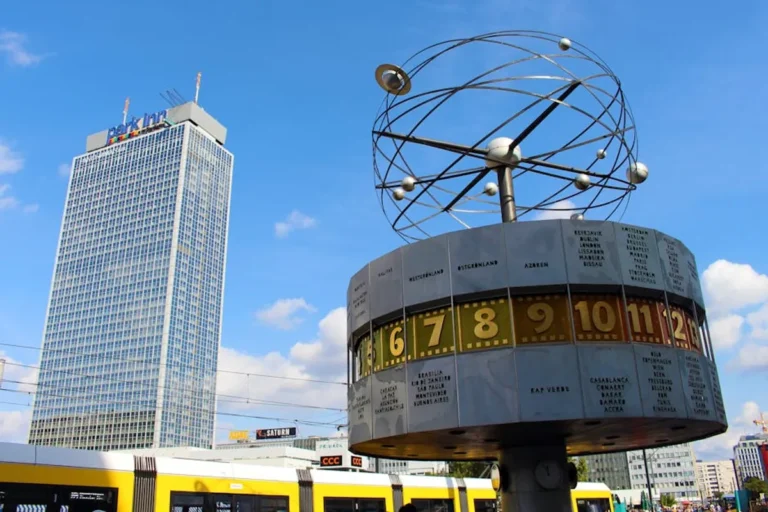
Planning a visit to Berlin in 2026 demands foresight, particularly for those aiming to experience the city's renowned festivals, vibrant markets, and deep cultural offerings. Unlike destinations with static event schedules, Berlin’s calendar is dynamic, often with specific dates for major happenings confirmed only 6-12 months in advance. This guide provides a strategic overview of what to anticipate, allowing for proactive itinerary development and budget allocation, even before official 2026 dates are released. Understanding the city's seasonal event cycles and recurring cultural touchstones is key to maximizing your engagement, whether you're a first-time visitor or a seasoned attendee.
Navigating Berlin's Annual Event Cycles
Berlin's event landscape follows distinct seasonal patterns, which, while subject to annual date shifts, offer reliable indicators for planning. Major festivals, specific market types, and cultural celebrations tend to occupy consistent slots within the year, influenced by public holidays, academic calendars, and established traditions. Recognizing these cycles allows for informed decision-making regarding travel dates, accommodation bookings, and activity prioritization.
Spring Highlights: Film, Art, and Green Spaces
The transition from winter to spring in Berlin is marked by significant cultural events. February traditionally hosts the Berlinale (Berlin International Film Festival), an A-list film festival attracting global industry figures and cinephiles. While 2026 dates will be confirmed closer to the time, its February slot is consistent. April typically brings Gallery Weekend Berlin, where contemporary art galleries across the city open new exhibitions, drawing collectors and art enthusiasts. As the weather improves, outdoor markets begin to expand their offerings beyond winter staples, and city parks, like Tiergarten, become venues for smaller, spontaneous cultural gatherings.
Summer Peaks: Music, Street Festivals, and Open-Air Culture
Berlin's summer is characterized by an explosion of open-air events. June often sees the Carnival of Cultures, a vibrant street parade and festival celebrating Berlin's multiculturalism, typically around Pentecost (Pfingsten). Fête de la Musique, held annually on June 21st, transforms the city into a vast stage with free concerts across numerous venues. Major music festivals, such as Lollapalooza Berlin or the Citadel Music Festival, usually take place between July and September, drawing large international acts and audiences. The high demand for accommodation during these months necessitates early booking.
Autumn Traditions: Harvest, Reunification, and Light Festivals
As summer recedes, Berlin embraces a series of autumn events with a focus on harvest, history, and light. Early October is dominated by German Unity Day (Tag der Deutschen Einheit) on October 3rd, a national holiday celebrated with official ceremonies and public festivals, often centered around the Brandenburg Gate. Berlin also hosts its own versions of harvest festivals, and various food markets highlight seasonal produce. Towards the end of October and early November, the Festival of Lights illuminates iconic landmarks, transforming the cityscape with artistic projections and installations, attracting photographers and sightseers.
Winter Warmth: Christmas Markets and New Year's Eve
Berlin's winter season is synonymous with its extensive network of Christmas markets, which typically open in late November and run until late December. Notable examples include the traditional market at Gendarmenmarkt (though its future location is subject to change due to renovation), the historic market at Spandau, and numerous smaller, neighborhood-specific markets. These offer crafts, seasonal food, and Glühwein. New Year's Eve (Silvester) is a significant event, with a large public celebration at the Brandenburg Gate featuring live music and fireworks, alongside countless private parties across the city. Planning for New Year's requires extremely early booking for accommodation and event tickets.
Key Event Categories and Their 2026 Outlook
Understanding the recurring nature of Berlin's event categories provides a framework for anticipating 2026 opportunities.
Major Festivals (Music, Film, Art)
Berlin consistently hosts world-class festivals. The Berlinale in February sets the tone for the year's cultural calendar. Music festivals like Lollapalooza (typically September) and smaller, genre-specific events (e.g., Jazzfest Berlin in November) anchor the music scene. Art events, beyond Gallery Weekend, include Berlin Art Week (usually September), which brings together exhibitions, fairs, and performances, solidifying Berlin's reputation as a contemporary art hub. While exact lineups and dates for 2026 are pending, their seasonal windows are reliable.
Seasonal Markets (Food, Craft, Christmas)
Markets are integral to Berlin life. Weekly farmers' markets, such as those at Winterfeldtmarkt or Kollwitzplatz, operate year-round, expanding in scope during warmer months. Craft markets and flea markets are particularly prevalent on weekends. The Christmas market season is the most extensive, with over 60 distinct markets offering diverse experiences, from traditional German fare to international crafts. These markets are a primary draw for winter tourism and local engagement, offering both commercial opportunities and cultural immersion.
Cultural Events and Public Holidays
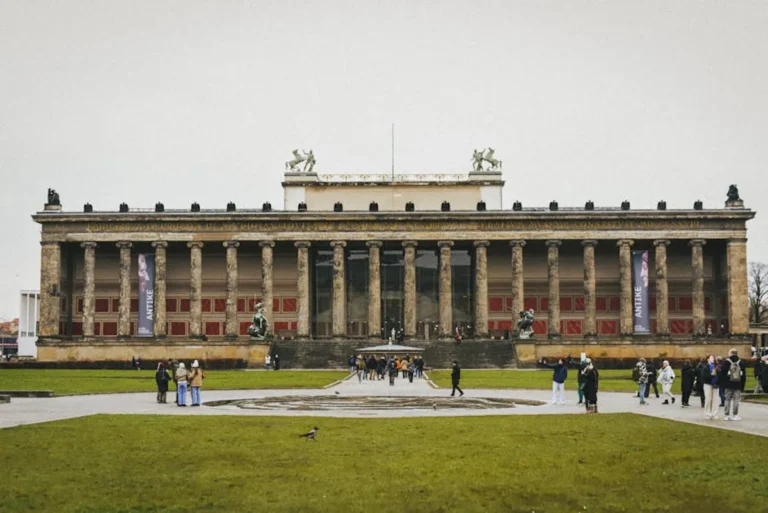
Public holidays, such as German Unity Day (October 3rd) and International Women's Day (March 8th, a public holiday in Berlin), often trigger city-wide events or specific cultural programming. Institutions like the Museum Island frequently host special exhibitions or late-night openings aligned with broader city events. The Long Night of Museums (Lange Nacht der Museen), usually in August, allows visitors to explore numerous museums with a single ticket into the late hours, providing a unique cultural experience.
Pro Tip: For high-demand events like the Berlinale or New Year's Eve celebrations, official ticket sales and accommodation bookings can commence 9-12 months in advance. Subscribing to newsletters from major event organizers and tourist boards is crucial for receiving timely notifications and securing prime access before public announcements.
Planning Your 2026 Berlin Experience
Effective planning for Berlin's 2026 events requires a multi-faceted approach:
- Monitor Official Sources: Regularly check the official websites of major events (e.g., Berlinale, Lollapalooza) and the Berlin tourist board (visitBerlin.de) for 2026 date confirmations and program details.
- Accommodation Strategy: Book accommodations well in advance, especially for peak seasons (summer, Christmas, New Year's Eve, major festivals). Consider areas well-connected by public transport to event venues.
- Transportation Insights: Berlin's public transport (BVG) is extensive. Familiarize yourself with ticket options (e.g., day passes, weekly passes) to navigate the city efficiently between events.
- Budget Allocation: Factor in higher costs for flights and accommodation during peak event periods. Many cultural events have entry fees, and market purchases can add up.
- Flexibility: While planning is essential, Berlin's spontaneous nature means smaller, pop-up events and local discoveries are always possible. Allow some flexibility in your itinerary.
Maximizing Your Berlin 2026 Engagement
To fully leverage Berlin's 2026 event calendar, prioritize early research and strategic booking. Identify your primary interests—be it film, music, art, or traditional markets—and align your travel dates accordingly. Understand that popular events will sell out quickly, and accommodation prices will fluctuate significantly. By anticipating the seasonal rhythms and key cultural anchors, you can construct a visit that optimizes for specific experiences, ensuring a rich and commercially beneficial engagement with one of Europe's most dynamic capitals.
Frequently Asked Questions About Berlin 2026 Events
When are 2026 event dates typically confirmed?
Specific dates for major annual events are usually confirmed between 6 to 12 months in advance. Smaller or newer events may announce dates closer to the time, often 3-6 months prior.
How can I book tickets for major festivals?
Tickets are typically sold through official event websites or authorized ticketing partners. Subscribing to event newsletters is recommended for early access to pre-sales and announcements.
What is the best time to visit Berlin for a mix of events and good weather?
Late spring (May-June) or early autumn (September-early October) often offer a good balance of pleasant weather and a rich calendar of cultural events and outdoor activities, before the peak summer crowds or winter chill.
Are most Berlin events free to attend?
Many street festivals, open-air concerts (like Fête de la Musique), and some market entries are free. However, major film festivals, music concerts, specific art exhibitions, and Christmas markets often have entry fees or ticketed events.