Berlin's museum landscape is vast, presenting first-time visitors with a compelling but often overwhelming choice. With over 170 institutions ranging from ancient art to contemporary history, the challenge isn't finding a museum, but selecting those that align with your interests, fit your schedule, and offer the most impactful experience without inducing "museum fatigue." This guide focuses on curating a manageable itinerary for newcomers, highlighting key institutions and practical advice to ensure your initial foray into Berlin's cultural offerings is both enriching and enjoyable.
Prioritizing Your Museum Island Experience
Museum Island, a UNESCO World Heritage site, is Berlin's most concentrated cluster of world-class museums. While tempting to visit all five, first-timers benefit from selective engagement to avoid exhaustion. Focus on two or three institutions that resonate most with your historical or artistic preferences.
The Pergamon Museum: Ancient Wonders
The Pergamon Museum houses monumental reconstructions of architectural marvels. Its primary draws include the Ishtar Gate of Babylon, the Market Gate of Miletus, and the Pergamon Altar (currently closed for renovation until 2027, but the museum still offers significant collections). These exhibits are physically impressive and provide a tangible connection to ancient civilizations, making it a high-impact choice for those interested in archaeology and classical antiquity. Expect significant crowds, especially during peak seasons.
Neues Museum: Egyptian Art and Prehistory
Reopened in 2009, the Neues Museum is renowned for its Egyptian collection, most notably the Bust of Nefertiti. Beyond this iconic artifact, the museum's displays of prehistoric and early historic artifacts offer a chronological journey through human development. The building itself, meticulously restored after wartime damage, is an architectural experience, blending historical elements with modern design. This museum appeals to visitors interested in ancient cultures, particularly Egyptology, and those appreciating thoughtful museum architecture.
Alte Nationalgalerie: 19th-Century Masterpieces
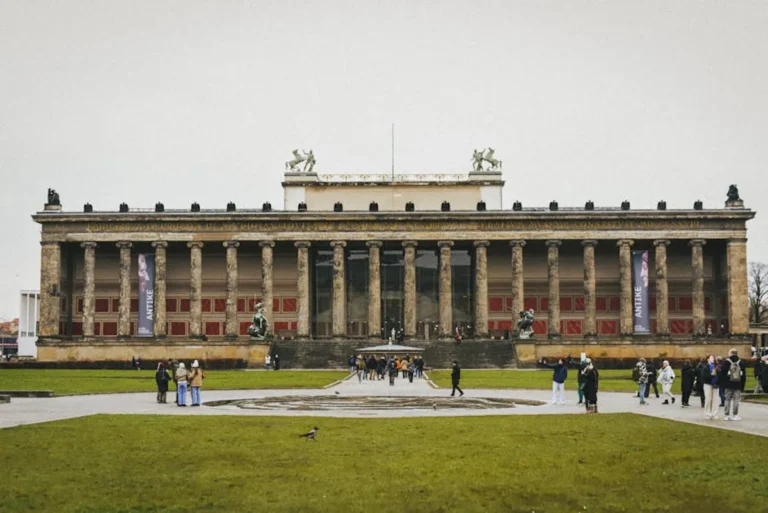
For art enthusiasts, the Alte Nationalgalerie presents a comprehensive collection of 19th-century art, including Romanticism, Impressionism, and early Modernism. Key artists like Caspar David Friedrich, Édouard Manet, and Claude Monet are represented. The building's classical facade and grand interiors provide a fitting backdrop for these works. It offers a focused art historical narrative, distinct from the archaeological emphasis of its neighbors, and can be a less crowded alternative to the Pergamon or Neues Museum.
Engaging with Berlin's Complex History
Berlin's history is multifaceted, marked by both profound cultural achievements and periods of immense tragedy. Several museums directly address these complex narratives, offering crucial context for understanding the city.
Topography of Terror: Documentation Center
Located on the site of former Gestapo and SS headquarters, the Topography of Terror is a powerful and free outdoor/indoor exhibition documenting the terror apparatus of the Nazi regime. Its direct historical context and extensive archival photography provide an unvarnished account of state-sponsored atrocities. This site is essential for visitors seeking to understand the darkest chapters of 20th-century German history. It is not a traditional museum in terms of art or antiquities, but a vital educational experience.
Jewish Museum Berlin: History and Culture
Designed by Daniel Libeskind, the Jewish Museum Berlin explores two millennia of Jewish history in Germany. Its architecture is an integral part of the narrative, designed to evoke feelings of displacement and absence. The permanent exhibition covers Jewish life, persecution, and resilience. This museum offers a deep dive into a specific cultural and historical thread, providing a counterpoint to broader historical narratives and emphasizing the contributions and struggles of Jewish communities. Allow ample time for reflection.
Beyond the Classics: Niche Interests
While Museum Island and historical sites are priorities, Berlin offers specialized museums for diverse interests.
German Museum of Technology: Innovation and Industry
For those interested in science, engineering, and industrial history, the German Museum of Technology offers extensive collections covering aviation, rail transport, computing, textiles, and more. Its interactive exhibits and large-scale artifacts, including historic aircraft and locomotives, appeal to all ages. It provides a less contemplative and more hands-on experience compared to art or history museums, showcasing Germany's industrial prowess and technological evolution.
DDR Museum: Everyday Life in East Germany
The DDR Museum provides an interactive and immersive look into daily life in the former German Democratic Republic. Visitors can sit in a Trabant car, explore a reconstructed apartment, and interact with exhibits on surveillance, education, and consumer goods. Its focus on the mundane aspects of a totalitarian state offers a unique perspective on a recent historical period, making it particularly engaging for those curious about Cold War-era Eastern Bloc society.
Essential Planning for a Smooth Visit
Effective planning enhances your museum experience, minimizing stress and maximizing time.
Ticketing and Passes: Pre-Booking and Savings
For popular museums like the Pergamon and Neues Museum, pre-booking timed entry tickets online is highly recommended. This often allows you to bypass long queues. Consider the Museum Pass Berlin for three days of free entry to over 30 museums, including most on Museum Island. If you plan to use public transport extensively, the Berlin WelcomeCard combines travel and museum discounts, though it may not be cost-effective if your museum visits are limited to one or two.
- Museum Pass Berlin: Best for intensive museumgoers planning 3+ visits over three consecutive days.
- Berlin WelcomeCard: Useful if you prioritize public transport and modest museum discounts.
- Individual Tickets: Ideal for selective visitors focusing on 1-2 specific institutions.
Navigating Berlin's Public Transport
Berlin's U-Bahn (subway), S-Bahn (urban rail), trams, and buses are efficient and extensive. Most museums are easily accessible via public transport. Use apps like Google Maps or BVG Fahrinfo to plan routes. A single ticket is valid for two hours across all modes, but day tickets or multi-day passes are more economical for multiple journeys. Museum Island is centrally located and walkable from many key areas.
Timing Your Visits: Avoiding Peak Crowds
To avoid the busiest times, aim to visit museums early in the morning (right after opening) or later in the afternoon (2-3 hours before closing). Weekdays, particularly Tuesday through Thursday, are generally less crowded than weekends. Mondays often see museums closed, so verify operating hours for your chosen institutions.
Pro Tip: Many Berlin museums offer a "Long Thursday" evening opening, extending hours until 8 PM or 9 PM. This can be an excellent opportunity for a quieter visit, especially for popular sites like the Neues Museum, allowing you to experience exhibits with fewer people and often a more relaxed atmosphere.
Maximizing Your Museum Day
To prevent "museum fatigue," plan a maximum of two major museums per day, or one major museum combined with a smaller exhibition or historical site. Integrate breaks for coffee or lunch. Many museums have cafes, but consider local eateries nearby for a more authentic experience. Wear comfortable shoes, as you will cover significant distances both within and between institutions. Prioritize what you want to see most within each museum; attempting to see every single exhibit can be counterproductive.
Frequently Asked Questions
Which Berlin museums are free to enter?
Several significant institutions in Berlin offer free admission, including the Topography of Terror, the Memorial to the Murdered Jews of Europe, and the East Side Gallery. Many smaller galleries and memorials also have no entry fee.
Is the Museum Pass Berlin worth it for first-time visitors?
The Museum Pass Berlin is generally worth the investment if you plan to visit at least three major museums within a three-day period. Calculate the individual ticket costs for your chosen museums to determine if the pass offers savings for your specific itinerary.
Are there guided tours available in English?
Most major Berlin museums offer guided tours in English, often at specific times throughout the day. Check the individual museum websites for schedules and booking information. Audio guides in multiple languages are also commonly available for rent.
What should I do if a specific exhibit I want to see is closed?
Always check the official museum website before your visit for any temporary closures or renovation notices, especially for specific galleries or major artifacts (e.g., the Pergamon Altar). If a key exhibit is unavailable, consider an alternative museum or focus on other areas within the chosen institution.