For first-time visitors, Berlin presents a compelling, if complex, travel destination. Its layered history, vibrant cultural scene, and sprawling urban landscape demand a strategic approach to planning. This guide focuses on practical advice to help you navigate the city efficiently, prioritize key experiences, and manage common logistical challenges, ensuring your initial encounter with Berlin is both enriching and smooth.
Navigating Berlin's Public Transport System
Berlin's public transport network is extensive and efficient, making it the primary method of getting around the city. It comprises the U-Bahn (underground metro), S-Bahn (overground urban rail), trams, and buses, all integrated under the VBB (Verkehrsverbund Berlin-Brandenburg) system. Understanding its zones and ticket types is crucial for cost-effective travel.
Understanding Zones and Tickets
The city is divided into three tariff zones: A, B, and C. Zone A covers the city center, B extends to the city limits, and C includes surrounding areas like Potsdam and Berlin Brandenburg Airport (BER). Most tourist attractions fall within zones A and B. For a typical first-time visit, an AB ticket is usually sufficient unless you plan excursions outside the city or arrive/depart via BER, which requires an ABC ticket.
Ticket options range from single-journey tickets (Einzelfahrschein) to day tickets (Tageskarte), 7-day tickets (7-Tage-Karte), and group tickets (Kleingruppen-Tageskarte). The Berlin WelcomeCard offers unlimited travel on public transport for 48 hours to six days, alongside discounts on over 200 attractions and museums. This card is particularly useful for visitors planning to see multiple paid attractions, as the combined savings can offset its cost.
Pro Tip: Validate Your Ticket
Always validate your public transport ticket before your journey. For paper tickets, this means stamping it in one of the small red or yellow machines found on platforms (U-Bahn/S-Bahn) or inside buses/trams. Digital tickets purchased through an app are typically validated at the time of purchase. Traveling without a validated ticket can result in a significant fine, even if you’ve purchased one.
Walking and Cycling
While public transport covers long distances, many central districts like Mitte, Kreuzberg, and Prenzlauer Berg are highly walkable. Exploring on foot allows for serendipitous discoveries and a deeper appreciation of the city's architecture and street art. Berlin is also a very bicycle-friendly city, with numerous bike lanes and rental services available. Renting a bike can be an efficient way to cover moderate distances and experience the city like a local, especially during warmer months.
Essential Historical and Cultural Landmarks
Berlin's history is palpable, with sites ranging from Prussian grandeur to Cold War remnants. Prioritizing these landmarks helps contextualize the city's narrative.
Iconic Symbols of Berlin
- Brandenburg Gate (Brandenburger Tor): A neoclassical monument and a symbol of German reunification. It's a central point for understanding Berlin's historical shifts.
- Reichstag Building: Home to the German Parliament, its glass dome offers panoramic city views and a unique perspective on governmental processes. Advance online booking is mandatory and often requires several weeks' notice.
- Memorial to the Murdered Jews of Europe: A solemn and impactful installation of 2,711 concrete slabs, inviting contemplation on the Holocaust. The adjacent information center provides critical context.
Museum Island and Beyond
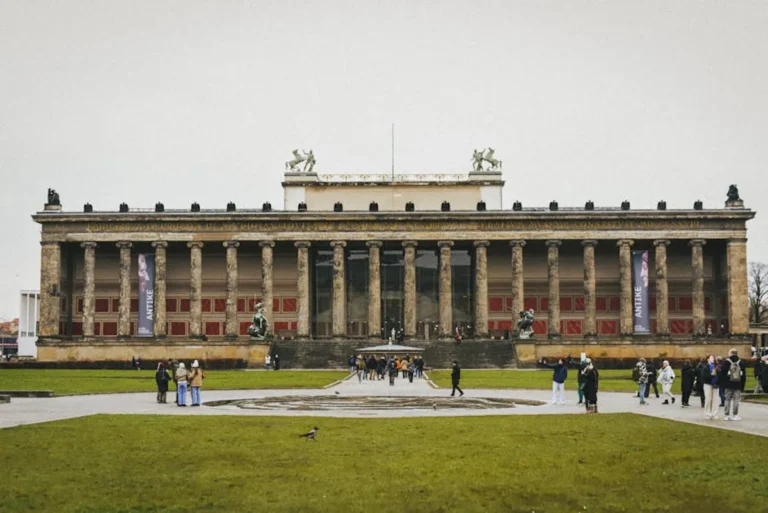
Museum Island (Museumsinsel), a UNESCO World Heritage site, houses five world-renowned museums, including the Pergamon Museum (currently undergoing extensive renovation, check specific exhibition status), the Altes Museum, and the Neues Museum (home to the bust of Nefertiti). For art and history enthusiasts, dedicating a full day or more to this area is recommended. Beyond Museum Island, the German Historical Museum offers a comprehensive overview of German history, while the Jewish Museum Berlin provides deep insights into Jewish life and history in Germany through its striking architecture and exhibits.
Berlin Wall and Cold War History
The remnants of the Berlin Wall provide a stark reminder of the city's division. The East Side Gallery is the longest open-air gallery in the world, featuring murals painted directly on a surviving section of the Wall. For a more in-depth understanding, the Berlin Wall Memorial at Bernauer Strasse offers a preserved section of the border fortifications, a documentation center, and a chapel, providing a comprehensive historical narrative of the Wall's construction, impact, and fall.
Practical Considerations for Your Visit
Addressing logistical details beforehand can significantly enhance your travel experience.
Currency and Payments
The official currency is the Euro (€). While credit and debit cards are widely accepted in larger establishments, many smaller cafes, bars, and independent shops, particularly in local neighborhoods, may prefer or only accept cash. It's advisable to carry a small amount of cash for such instances or for quick purchases at street food stalls. ATMs (Geldautomaten) are readily available.
Language and Communication
German is the official language. While English is widely spoken in tourist areas, hotels, and restaurants, especially by younger generations, learning a few basic German phrases can be beneficial and is always appreciated. Simple greetings like "Guten Tag" (Good day), "Bitte" (Please), "Danke" (Thank you), and "Entschuldigung" (Excuse me/Sorry) go a long way.
Safety and Awareness
Berlin is generally a safe city. However, like any major urban center, it's prudent to remain aware of your surroundings, especially in crowded tourist areas and on public transport, where pickpocketing can occur. Keep valuables secure and avoid displaying large sums of cash. Emergency services can be reached by dialing 112 (for police, fire, and ambulance).
Culinary Exploration
Berlin's food scene is diverse, ranging from traditional German fare to international cuisine. Don't miss out on local specialties like Currywurst (sausage with curry ketchup), Döner Kebab (a Turkish-German street food staple), and Berliner Weisse (a sour wheat beer often served with raspberry or woodruff syrup). The city also boasts numerous Michelin-starred restaurants and a thriving vegan/vegetarian scene, offering options for every palate and budget.
Crafting Your Berlin Itinerary
A successful first trip to Berlin balances historical immersion with contemporary culture and personal interests. Start by identifying your primary focus: history, art, nightlife, or specific neighborhoods. Allocate sufficient time for travel between attractions, as the city is expansive. Consider themed days or half-days to group geographically close sites, minimizing transit time and maximizing exploration. Booking popular attractions like the Reichstag dome or specific museum tours in advance is highly recommended to avoid long queues or disappointment.
Frequently Asked Questions
Is Berlin an expensive city to visit?
Compared to other major European capitals, Berlin is generally considered moderately priced. Accommodation varies widely, but food and public transport are relatively affordable. Budgeting for museum entrances and specific experiences will help manage costs.
How many days are ideal for a first-time visit to Berlin?
A minimum of 3 to 4 full days is recommended to cover the main historical sites, a few museums, and experience some of the city's atmosphere. Five to seven days allows for a more relaxed pace and deeper exploration of specific districts or cultural offerings.
Do I need to speak German to get by in Berlin?
No, English is widely understood and spoken, especially in tourist-heavy areas, hotels, and by younger people. However, knowing a few basic German phrases is always polite and can enhance interactions with locals.
What is the best time of year to visit Berlin?
Spring (April-May) and early autumn (September-October) offer pleasant weather, fewer crowds, and vibrant city life, making them ideal times. Summer (June-August) is popular but can be hot and crowded. Winters are cold but offer festive Christmas markets and a unique, stark beauty.