Berlin presents a unique challenge for a weekend visitor: its expansive history, dynamic culinary landscape, and world-renowned nightlife demand more than 48 hours. However, a focused itinerary allows for a substantial taste of the city’s core offerings. This guide prioritizes key experiences across food, culture, and nightlife, enabling a strategic approach to maximizing a short visit without sacrificing depth. The aim is to equip visitors with actionable insights to navigate Berlin's distinct districts and offerings, ensuring a memorable and efficient short break. The aim is to equip visitors with actionable insights to navigate Berlin's distinct districts and offerings, ensuring a memorable and efficient short break and for those who want to delve deeper into the evening scene, exploring Berlin's nightlife is a must.
Navigating Berlin's Culinary Landscape
Berlin’s food scene is defined by its diversity, ranging from iconic street food to Michelin-starred establishments. Understanding its structure helps in making informed choices for a compact weekend.
Street Food Staples and Market Finds
The city’s street food culture offers both convenience and a direct connection to local flavors. Currywurst, a sliced pork sausage drenched in curry ketchup, is a ubiquitous and cost-effective option, particularly from vendors like Curry 36 or Konnopke’s Imbiss. Döner Kebab, introduced by Turkish immigrants, has become a Berlin staple, with Mustafa's Gemüsekebap in Kreuzberg often cited for its fresh ingredients and long queues, indicating consistent demand. For broader culinary exploration, weekend markets such as Markthalle Neun in Kreuzberg offer a curated selection of international street food, craft beers, and local produce, providing a concentrated experience of the city’s gastronomic trends. For broader culinary exploration, weekend markets such as Markthalle Neun in Kreuzberg offer a curated selection of international street food and local delicacies.
Best for: Authentic, quick, and budget-friendly meals that reflect Berlin's multicultural identity.
Beyond the Basics: Dining Experiences
Beyond street food, Berlin boasts a robust restaurant scene. Neighborhoods like Mitte and Prenzlauer Berg host a range of mid-to-high-end restaurants, often focusing on modern German cuisine or international fusion. Reservations are advisable for popular spots, especially for Saturday evenings. Brunch culture is also prominent, particularly on Sundays, with establishments across Friedrichshain and Neukölln offering extensive buffets and à la carte options, serving as a relaxed start to a day of exploration.
Pro Tip: Many smaller eateries and bars in Berlin operate on a cash-only basis. While card payments are increasingly accepted, carrying a small amount of euros is essential for street food vendors, some independent cafes, and certain nightlife venues to avoid inconvenience.
Immersing in Berlin's Rich History and Art
Berlin’s cultural offerings are deeply intertwined with its complex history, providing a profound educational and artistic experience. Prioritizing key sites allows for significant engagement within a weekend timeframe.
Iconic Historical Landmarks
A visit to Berlin necessitates engagement with its historical narrative. The Brandenburg Gate serves as an enduring symbol of German unity, offering a central point for understanding the city's past. Nearby, the Reichstag Building, with its accessible glass dome, provides panoramic city views and a direct connection to contemporary German politics. Booking entry to the dome well in advance is critical due to high demand. The Berlin Wall Memorial on Bernauer Strasse offers the most comprehensive insight into the Wall's construction and impact, with preserved sections and detailed exhibitions. This site provides a poignant and educational counterpoint to the city's modern vibrancy.
Galleries and Museum Island
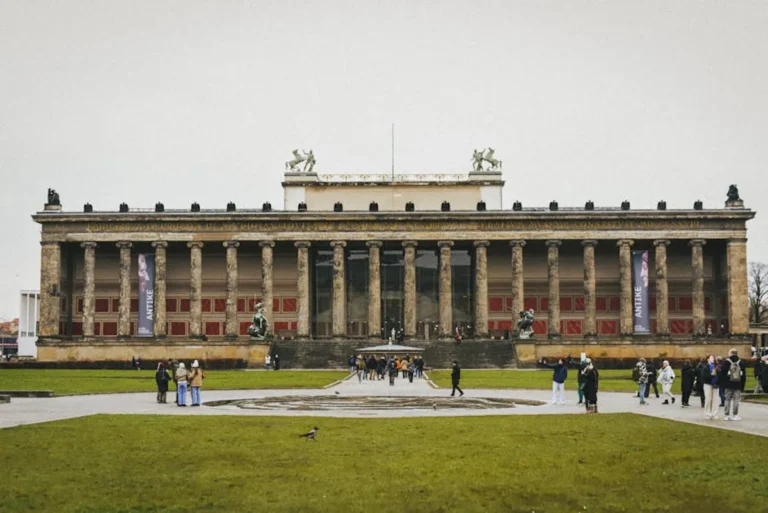
For art and museum enthusiasts, Museum Island, a UNESCO World Heritage site, consolidates five world-class museums within walking distance. The Pergamon Museum, housing monumental architectural reconstructions like the Ishtar Gate, and the Neues Museum, home to the bust of Nefertiti, are typically high priorities. Allocating half a day to one or two museums on the island allows for focused engagement without rushing. Beyond the classical institutions, the East Side Gallery, a 1.3-kilometer section of the Berlin Wall covered in murals, represents a significant open-air art gallery and a powerful historical monument, accessible at any time.
Consider: Purchasing a Berlin WelcomeCard or Museum Pass if planning multiple museum visits, as this can offer cost savings and streamline entry.
Berlin After Dark: Nightlife Essentials
Berlin's nightlife is globally recognized, particularly for its electronic music scene. A weekend visit offers opportunities to experience its diverse offerings, from legendary clubs to intimate bars.
Club Culture and Electronic Music
The city's electronic music clubs, primarily concentrated in districts like Friedrichshain and Kreuzberg, are a defining aspect of Berlin's identity. Venues such as Berghain/Panorama Bar (known for its strict door policy and extended opening hours) or Sisyphos (a sprawling complex with multiple dancefloors and outdoor areas) offer distinct experiences. Entry is never guaranteed, and a relaxed, respectful demeanor is often more effective than elaborate attire. Researching specific club nights and DJs is recommended for those with particular musical preferences. Public transport operates extensively throughout the night, facilitating access to these venues.
- Research specific club events and DJ lineups in advance.
- Dress casually and comfortably; elaborate attire is often counterproductive.
- Be prepared for potentially long queues and selective door policies.
- Utilize Berlin's 24-hour public transport network for safe travel.
Bars, Breweries, and Live Venues
For those seeking alternatives to the high-energy club scene, Berlin offers a wealth of bars and live music venues. Craft beer bars have proliferated, particularly in areas like Neukölln and Prenzlauer Berg, offering local brews and international selections. Cocktail bars, from speakeasy-style establishments to more contemporary lounges, are found across Mitte and Charlottenburg. Live music venues, ranging from jazz clubs to rock stages, provide a more intimate evening experience. These options generally have more relaxed entry requirements and offer a different facet of Berlin's evening entertainment.
Maximizing Your Berlin Weekend
Strategic planning is paramount for a productive Berlin weekend. Consider grouping attractions by geographical proximity to minimize travel time. Public transport, including the U-Bahn (subway), S-Bahn (urban rail), trams, and buses, is efficient and covers the entire city. Purchasing a multi-day pass is often the most economical option. Prioritizing reservations for popular restaurants and attractions, especially for evening slots or guided tours, prevents disappointment. Finally, allowing for spontaneous exploration, such as wandering through a local park or stumbling upon a street art installation, often yields some of the most authentic Berlin experiences.
Essential Berlin Weekend FAQs
Is Berlin walkable for tourists?
While central areas like Mitte are walkable, Berlin is a sprawling city. Relying solely on walking for a weekend trip will limit your ability to see diverse attractions. The public transport system is extensive and efficient for covering longer distances between districts.
Do I need to speak German to get around Berlin?
No, English is widely spoken in tourist areas, hotels, restaurants, and shops, especially by younger generations. Learning a few basic German phrases like "Bitte" (please) and "Danke" (thank you) is always appreciated but not strictly necessary for navigation.
What is the best way to get around Berlin on a weekend?
Public transport (U-Bahn, S-Bahn, tram, bus) is the most efficient method. A 48-hour or 72-hour pass provides unlimited travel and simplifies logistics. Taxis and ride-sharing services are also available but can be more expensive.
Should I book attractions in advance for a weekend trip?
Yes, especially for popular sites like the Reichstag dome, specific museum exhibitions, or sought-after restaurant reservations. Booking ahead saves time and guarantees entry, which is crucial for a short visit.