Berlin's sprawling urban landscape offers a mosaic of experiences, making the choice of neighborhood pivotal for visitors prioritizing art, distinctive food, and vibrant nightlife. This guide dissects the city's most compelling districts, moving beyond general tourist recommendations to pinpoint areas that excel in specific cultural and social dimensions. Understanding the unique character of each kiez (neighborhood) allows for a targeted itinerary, ensuring your Berlin visit aligns precisely with your interests, whether you seek avant-garde galleries, Michelin-starred dining, underground clubs, or a blend of all three.
Choosing Your Berlin Base: Key Considerations
Selecting the right Berlin neighborhood involves more than just proximity to landmarks; it requires aligning your preferences with the area's inherent character. Consider these factors before committing to a base:
- Art Scene: Are you seeking world-class museums, independent galleries, street art, or a mix? Some neighborhoods are museum hubs, while others pulse with contemporary and alternative art spaces.
- Culinary Landscape: Your food preferences dictate much. Berlin offers everything from traditional German fare and Michelin-starred establishments to diverse international street food, bustling market halls, and a significant vegan/vegetarian scene. Identify if you prioritize fine dining, casual eats, or specific cuisines.
- Nightlife Vibe: Berlin's nightlife is legendary, but its character varies dramatically by district. Some areas are synonymous with techno clubs, others with sophisticated cocktail bars, and still others with laid-back pubs or live music venues. Determine your preferred evening atmosphere.
- Atmosphere and Connectivity: Beyond the specific offerings, consider the general feel. Do you prefer a quiet, leafy street or a bustling, edgy thoroughfare? Evaluate public transport links (U-Bahn, S-Bahn, tram) to ensure easy access to other areas of interest.
- Budget: Accommodation and dining costs can fluctuate significantly between districts. Upscale areas typically command higher prices, while more bohemian or emerging neighborhoods often offer more budget-friendly options.
1. Mitte
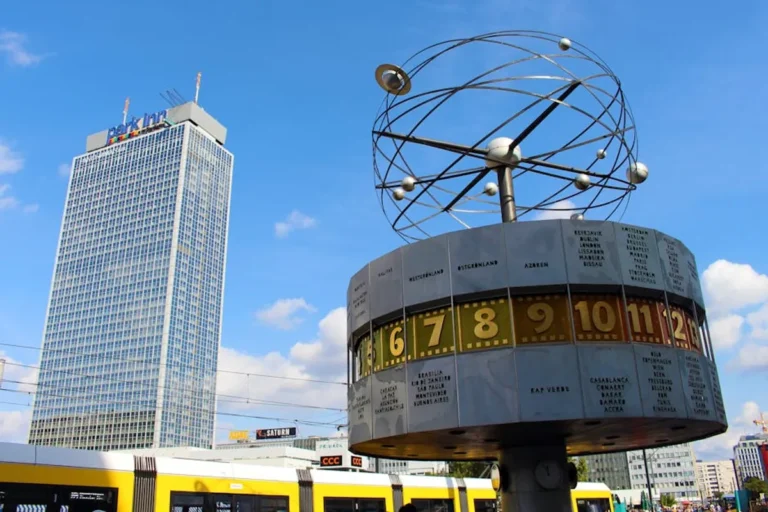
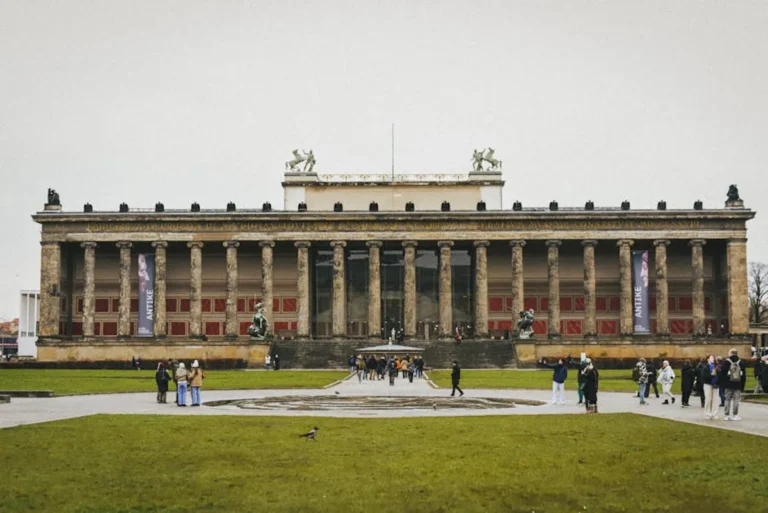
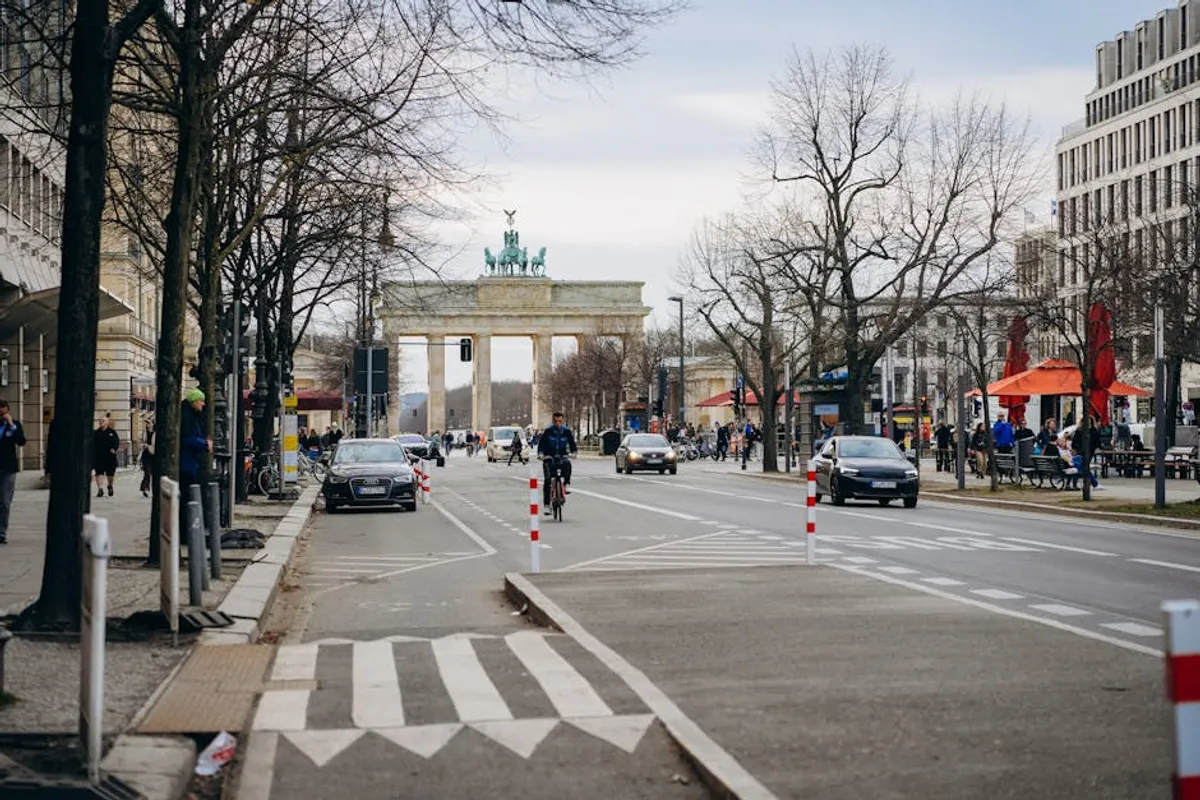
Mitte, meaning "middle," is Berlin's historical and geographical heart, housing iconic landmarks like the Brandenburg Gate, Museum Island, and the Reichstag. It’s where grand Prussian architecture meets contemporary design, creating a polished, often bustling environment. While heavily trafficked by tourists during the day, specific pockets, particularly around Auguststraße and Torstraße, transform into sophisticated cultural and culinary hubs by evening. It’s a neighborhood that balances historical gravitas with modern, upscale offerings.
Best for: Iconic cultural institutions, high-end dining, historical exploration, and central access to the entire city.
Pros:
- Art: Home to Museum Island (Pergamon Museum, Altes Museum, Neues Museum, Alte Nationalgalerie, Bode Museum), numerous private galleries on Auguststraße, and the Hamburger Bahnhof – Museum for Contemporary Art.
- Food: A concentration of Michelin-starred restaurants (e.g., Facil, Coda Dessert Bar), upscale international cuisine, and trendy cafes. Offers a refined culinary experience.
- Nightlife: Features sophisticated cocktail bars, hotel bars, and some exclusive clubs. Less about techno, more about curated drinks and ambiance.
- Connectivity: Unparalleled public transport access to all parts of Berlin.
Cons:
- Cost: Generally the most expensive neighborhood for accommodation, dining, and drinks.
- Crowds: Major tourist attractions can lead to significant daytime crowds.
- Authenticity: Can feel less "authentic Berlin" due to its commercial and tourist-centric nature compared to more residential districts.
Verdict: Choose Mitte if your priority is immediate access to major historical and artistic landmarks, coupled with a preference for upscale dining and elegant evening venues. It serves as a convenient, albeit pricier, base for first-time visitors seeking a polished experience.
2. Kreuzberg
Kreuzberg embodies Berlin's counter-cultural spirit, a district historically known for its bohemian residents, vibrant street art, and political activism. It's broadly divided into "SO 36" (east Kreuzberg, known for punk and nightlife) and "SW 61" (west Kreuzberg, more residential and bohemian). This neighborhood pulses with an energetic, diverse atmosphere, characterized by its mix of Turkish influences, alternative lifestyles, and an evolving culinary scene. Expect graffiti-laden walls, independent shops, and a palpable sense of community.
Best for: Alternative art, diverse street food, vibrant bar culture, and a distinct, non-conformist atmosphere.
Pros:
- Art: Extensive street art, independent galleries, artist studios, and cultural centers like Künstlerhaus Bethanien.
- Food: Famous for its Turkish food scene (e.g., Bergmannkiez, Maybachufer market), numerous vegan/vegetarian restaurants, diverse international street food, and casual eateries.
- Nightlife: A plethora of lively bars, pubs, and smaller clubs, particularly around Oranienstraße and Schlesisches Tor. Offers a more relaxed and alternative clubbing experience than Friedrichshain.
- Vibe: Strong sense of community, diverse population, and a vibrant, unpretentious energy.
Cons:
- Gentrification: Rising rents and commercialization are altering its original character.
- Noise: Can be loud, especially in nightlife-heavy areas.
- Cleanliness: Some areas, particularly Görlitzer Park, have cleanliness and safety concerns.
Verdict: Ideal for visitors seeking an authentic, edgy Berlin experience with a rich tapestry of cultural influences, excellent and varied food options, and an energetic, non-mainstream nightlife. It’s less about polished facades and more about raw, urban charm.
3. Friedrichshain
Friedrichshain is synonymous with Berlin's legendary club scene, particularly around the RAW-Gelände and Berghain. Located in former East Berlin, it retains a youthful, dynamic energy, characterized by its industrial-chic aesthetic and a concentration of hostels, bars, and clubs. Beyond the nightlife, it offers the iconic East Side Gallery and a growing number of international restaurants and independent boutiques, appealing to a younger, more adventurous crowd.
Best for: Techno clubbing, urban art (East Side Gallery), and a lively, youthful atmosphere with diverse international food.
Pros:
- Nightlife: The epicenter of Berlin's electronic music scene, hosting world-renowned clubs like Berghain/Panorama Bar, Sisyphos (nearby), and numerous smaller venues.
- Art: Home to the East Side Gallery, the longest open-air gallery in the world, featuring murals on remnants of the Berlin Wall. The RAW-Gelände also hosts art installations and cultural events.
- Food: Abundant international food options, from Vietnamese and Korean to burgers and vegan cafes, particularly around Simon-Dach-Straße and Warschauer Straße.
- Vibe: Energetic, young, and tolerant, with a strong sense of creative freedom.
Cons:
- Noise: Can be very noisy, especially on weekends due to the concentration of clubs and bars.
- Crowds: Attracts large crowds, particularly around nightlife hotspots.
- Residential feel: Less traditionally picturesque or quiet compared to other neighborhoods.
Verdict: The prime choice for club enthusiasts and those who want to immerse themselves in Berlin's iconic electronic music culture. Its urban art and international food scene complement a high-energy, youthful experience.
4. Prenzlauer Berg
Prenzlauer Berg has transformed from its bohemian East Berlin past into one of the city’s most gentrified and family-friendly districts. Characterized by beautifully restored Altbau (old buildings), tree-lined streets, and numerous playgrounds, it exudes a polished, affluent charm. It's a neighborhood of boutique shops, organic cafes, and sophisticated restaurants, offering a more relaxed pace than its grittier neighbors. While less about pulsating nightlife, it provides a refined cultural and culinary experience.
Best for: Boutique shopping, organic cafes, family-friendly dining, and a relaxed, upscale atmosphere with local galleries.
Pros:
- Food: A high concentration of organic restaurants, stylish cafes, brunch spots, and gourmet shops. Offers a refined culinary experience with a focus on quality ingredients.
- Art: Numerous small galleries, independent boutiques, and design shops, particularly around Kollwitzplatz and Oderberger Straße. The Kulturbrauerei hosts cultural events and exhibitions.
- Nightlife: Features sophisticated wine bars, craft beer pubs, and intimate cocktail lounges. Less about clubbing, more about relaxed evening drinks.
- Atmosphere: Clean, safe, and aesthetically pleasing, with a strong community feel among its residents.
Cons:
- Cost: One of Berlin's more expensive neighborhoods for living, dining, and shopping.
- Nightlife: Lacks the intense club scene found in Friedrichshain or Kreuzberg.
- Homogeneity: Can feel less diverse or edgy compared to other parts of Berlin.
Verdict: Ideal for visitors seeking a tranquil, upscale Berlin experience with a focus on quality dining, boutique shopping, and a relaxed, cultured atmosphere. It's particularly appealing to families or those preferring a quieter base.
5. Neukölln
Neukölln has rapidly evolved from a working-class district into one of Berlin's most dynamic and gentrifying neighborhoods. It's a melting pot of cultures, attracting artists, students, and young professionals drawn to its affordable rents (historically), diverse population, and burgeoning creative scene. The area around Weserstraße and Sonnenallee is particularly vibrant, offering a mix of quirky bars, experimental art spaces, and an incredibly varied culinary landscape, from traditional Middle Eastern eateries to contemporary fusion restaurants.
Best for: Emerging art scene, diverse and affordable international food, experimental bars, and an authentic, evolving urban vibe.
Pros:
- Art: Home to numerous independent galleries, artist studios, project spaces, and street art. The KINDL – Centre for Contemporary Art is a major draw.
- Food: Offers an unparalleled diversity of international cuisines, particularly Middle Eastern, Vietnamese, and Turkish, alongside trendy cafes and innovative restaurants. Known for its affordability and authenticity.
- Nightlife: A dense concentration of unique and often quirky bars, from dive bars to stylish cocktail lounges, particularly around Weserstraße. Also features some smaller, experimental clubs.
- Vibe: Energetic, multicultural, and constantly evolving, with a strong sense of independent creativity.
Cons:
- Gentrification: Rapid changes are pricing out long-term residents and altering its character.
- Cleanliness: Can be less clean in some areas compared to more affluent districts.
- Safety: Some areas can feel a bit gritty or less safe late at night, though generally improving.
Verdict: A compelling choice for those who appreciate an authentic, multicultural urban experience, with a focus on emerging art, affordable global cuisine, and a lively, experimental bar scene. It provides a glimpse into Berlin's ongoing transformation.
6. Charlottenburg
Charlottenburg represents West Berlin's historic elegance and affluence. Centered around Kurfürstendamm (Ku'damm), Berlin's premier shopping boulevard, it's characterized by grand 19th-century architecture, luxury boutiques, and high-end hotels. This district offers a more refined, traditional Berlin experience, with a strong emphasis on classical arts, fine dining, and sophisticated leisure. It’s less about underground clubs and more about cultural institutions and elegant evening entertainment.
Best for: Upscale shopping, classical art and museums, fine dining, and a sophisticated, historic atmosphere.
Pros:
- Art: Home to Charlottenburg Palace, Museum Berggruen (Picasso, Klee), Sammlung Scharf-Gerstenberg (Surrealism), and the Deutsche Oper Berlin.
- Food: A concentration of high-end restaurants, traditional German establishments, and international fine dining, often catering to a more discerning clientele.
- Nightlife: Features elegant cocktail bars, hotel lounges, and cabaret venues. Offers a more sedate and sophisticated evening experience compared to the eastern districts.
- Atmosphere: Posh, clean, and historically significant, with a sense of old-world charm.
Cons:
- Cost: Generally expensive for accommodation, dining, and shopping.
- Vibe: Can feel less vibrant or "cool" compared to the trendier eastern neighborhoods.
- Nightlife: Limited options for techno clubs or alternative bar scenes.
Verdict: An excellent choice for visitors prioritizing luxury shopping, classical arts, and a refined dining experience within a historically elegant setting. It offers a distinct contrast to the more bohemian or club-centric parts of the city.
7. Schöneberg
Schöneberg is a diverse district with a rich history, particularly known for its long-standing LGBTQ+ community and its association with cultural figures like David Bowie and Christopher Isherwood. It blends grand Gründerzeit architecture with bustling market streets and quiet residential areas. The district offers a mix of traditional German eateries, international restaurants, and a vibrant, inclusive bar scene, particularly around Nollendorfplatz. It's a neighborhood that feels established and authentic, without the intense tourist crowds of Mitte or the relentless pace of Friedrichshain.
Best for: LGBTQ+ nightlife, traditional German cuisine, historic charm, and a diverse, welcoming atmosphere.
Pros:
- Nightlife: The historic heart of Berlin's LGBTQ+ scene, with numerous bars, clubs, and cabaret venues around Nollendorfplatz.
- Food: Offers a good selection of traditional German restaurants, diverse international eateries, and the popular Winterfeldtmarkt for fresh produce and street food.
- Art: Features some independent galleries and cultural institutions. The Bauhaus Archive Museum of Design is nearby.
- Vibe: Inclusive, diverse, and established, with a strong local community feel.
Cons:
- Art Scene: Less of a contemporary art hub compared to Kreuzberg or Neukölln.
- Clubbing: While it has a strong bar scene, it lacks the large techno clubs of Friedrichshain.
- Connectivity: Good, but slightly less central than Mitte or Friedrichshain for some attractions.
Verdict: Recommended for those seeking a welcoming, diverse neighborhood with a rich history, particularly appealing to the LGBTQ+ community. It offers a blend of traditional and international dining, along with a lively, specific nightlife scene.
8. Wedding
Wedding, once a quintessential working-class district, is now experiencing a slow but steady transformation, attracting artists, startups, and students seeking more affordable spaces. It retains much of its authentic, gritty Berlin character, offering a glimpse into the city's less gentrified side. While not a primary tourist destination, it boasts a diverse population, emerging art spaces, and a growing number of independent cafes and international eateries. Nightlife is predominantly local bars and pubs, providing a contrast to the high-energy clubs elsewhere.
Best for: Authentic local experience, emerging art projects, affordable and diverse food, and a less touristy, raw urban environment.
Pros:
- Art: Home to numerous project spaces, artist studios, and cultural initiatives, particularly in former industrial buildings. Examples include silent green Kulturquartier.
- Food: Known for its authentic and affordable international cuisine, especially Turkish, Arabic, and African restaurants. Offers a genuine local dining experience.
- Nightlife: Primarily local pubs, dive bars, and community-focused venues. Provides a relaxed, unpretentious evening atmosphere away from tourist crowds.
- Cost: Generally more affordable for accommodation and dining compared to central or gentrified districts.
Cons:
- Gentrification: Ongoing, leading to changes in the neighborhood's character.
- Aesthetics: Can appear less polished or aesthetically pleasing than more central districts.
- Nightlife: Lacks major clubs or high-end cocktail bars.
Verdict: Suited for adventurous travelers who prioritize an authentic, unvarnished Berlin experience, are interested in emerging art scenes, and appreciate diverse, affordable