Berlin offers a dynamic blend of history, culture, and contemporary life, making it a compelling destination for a weekend getaway. Deciding what to prioritize from its vast array of attractions requires a focused approach, especially when time is limited. This guide cuts through the noise, presenting a curated selection of activities designed to help you construct a memorable Berlin experience, whether your interest lies in historical reflection, artistic immersion, vibrant nightlife, or simply soaking in the city's unique atmosphere. Each recommendation is evaluated for its distinct appeal, practical considerations, and overall impact, enabling you to tailor your itinerary effectively.
Planning Your Perfect Berlin Weekend
A successful Berlin weekend hinges on strategic planning. The city is expansive, and its attractions are diverse, so consider your primary interests before arrival. History buffs might prioritize museums and memorials, while art enthusiasts could focus on galleries and street art districts. Budget is another factor; many historical sites are free, but museum passes, guided tours, and dining can add up. Public transport is efficient, but grouping nearby attractions minimizes travel time. Finally, check opening hours and consider booking popular attractions, especially during peak season, to avoid disappointment and long queues. Berlin's weather can be unpredictable, so pack layers and be prepared for both sun and rain, regardless of the season.
1. Brandenburg Gate & Reichstag Building
These two iconic landmarks, situated in close proximity, represent Berlin's tumultuous history and its democratic future. The Brandenburg Gate, a neoclassical triumph, served as a symbol of division during the Cold War and now stands as a powerful emblem of German reunification. Just a short walk away, the Reichstag Building, home to the German Parliament, boasts a stunning glass dome offering panoramic views of the city. Visiting both provides a concise, impactful overview of Berlin's political and historical narrative.
Best for: First-time visitors, history enthusiasts, and those seeking iconic photo opportunities.
Pros:
- Highly symbolic and historically significant.
- The Reichstag dome offers excellent city views (free, but requires advance booking).
- Centrally located, easily accessible via public transport.
- The area around Pariser Platz is vibrant and walkable.
Cons:
- Can be extremely crowded, especially the Brandenburg Gate.
- Reichstag dome access requires strict advance registration, often weeks ahead.
- Limited interpretive information on-site for the Brandenburg Gate itself.
Verdict: Essential for any Berlin itinerary, these sites offer a profound connection to the city's past and present. Prioritize booking the Reichstag dome well in advance to fully capitalize on the visit.
2. Museum Island
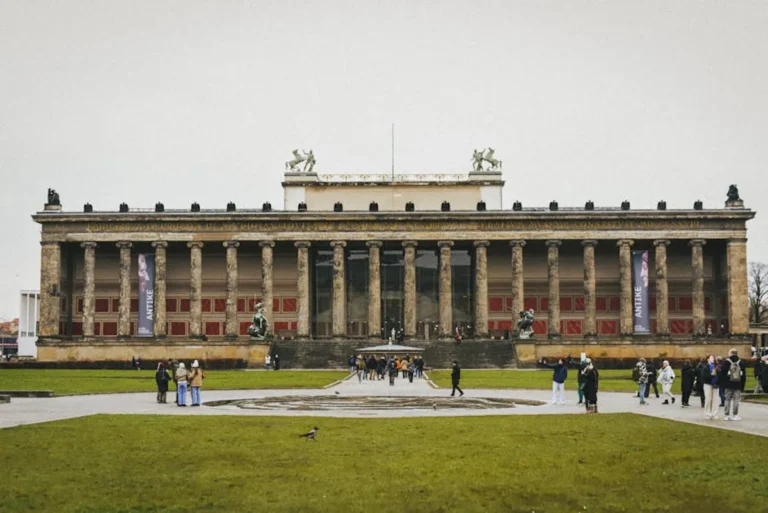
Designated a UNESCO World Heritage site, Museum Island is an unparalleled cultural ensemble featuring five world-renowned museums: the Pergamon Museum, Bode Museum, Neues Museum, Alte Nationalgalerie, and Altes Museum. Each institution houses collections spanning millennia, from ancient Near Eastern artifacts and Egyptian treasures (including the Bust of Nefertiti) to European sculpture and painting. It’s a concentrated dose of global art and history, allowing for deep dives into specific periods or a broader cultural overview.
Best for: Art and history aficionados, cultural explorers, and those seeking world-class museum experiences.
Pros:
- Exceptional breadth and depth of collections.
- Beautiful architectural setting along the Spree River.
- Museum Pass options can offer cost savings for multiple visits.
- Indoor activity, suitable for any weather conditions.
Cons:
- Impossible to see everything in one day; requires selective planning.
- Can be very crowded, especially the Pergamon and Neues Museums.
- Entrance fees can accumulate if visiting multiple museums without a pass.
- The Pergamon Museum's main hall (Pergamon Altar) is currently closed for renovation until 2027.
Verdict: A must-visit for its sheer cultural richness. Plan to focus on one or two museums that align most with your interests to avoid fatigue and maximize appreciation.
3. East Side Gallery
The East Side Gallery stands as the longest open-air gallery in the world, a 1.3-kilometer stretch of the former Berlin Wall adorned with over 100 murals by artists from around the globe. Each artwork tells a unique story, reflecting on the political changes of 1989/1990 and offering messages of peace and hope. It’s a powerful, poignant, and visually striking reminder of Berlin's divided past and its journey towards freedom, blending historical significance with contemporary street art.
Best for: History buffs, art lovers, and those seeking a reflective outdoor experience.
Pros:
- Free and accessible 24/7.
- Offers a unique blend of history, art, and political commentary.
- Provides a tangible sense of the Berlin Wall's scale.
- Located near the Spree River, offering pleasant views.
Cons:
- Can be very crowded, especially on sunny days.
- Some artwork has suffered from vandalism or graffiti.
- The experience is largely self-guided, with limited official interpretation on-site.
- Requires a walk of over a kilometer, which might be tiring for some.
Verdict: An essential, emotionally resonant experience. Allocate sufficient time to walk the entire length and absorb the diverse artistic perspectives on a pivotal historical moment.
4. Mauerpark Flea Market & Bearpit Karaoke
For a quintessential Berlin Sunday experience, Mauerpark offers a vibrant flea market, street food, and the famous Bearpit Karaoke. The market bustles with vendors selling everything from vintage clothing and antiques to local crafts and unique souvenirs. As the afternoon progresses, the amphitheater fills for Bearpit Karaoke, where brave (and sometimes tone-deaf) individuals perform for a cheering crowd. It's a lively, eccentric, and thoroughly Berliner way to spend a Sunday afternoon.
Best for: Culture seekers, bargain hunters, foodies, and those looking for a unique, lively Sunday activity.
Pros:
- Unique atmosphere and diverse offerings.
- Excellent for people-watching and experiencing local culture.
- Free entertainment with Bearpit Karaoke.
- Wide variety of international street food options.
Cons:
- Only operates on Sundays.
- Can be extremely crowded, making navigation difficult.
- Flea market prices can be high for certain items.
- Karaoke can be very loud and sometimes difficult to hear.
Verdict: A highly recommended Sunday activity for its vibrant energy and unique blend of market culture and spontaneous entertainment. Arrive early for the market, or later for the karaoke experience.
5. Tempelhofer Feld
Tempelhofer Feld is a former airport transformed into Berlin's largest urban park. Its vast runways and open spaces are now used for cycling, inline skating, kite flying, gardening, and picnicking. This unique public space offers a sense of freedom and openness rarely found in a major city. It's a testament to Berlin's innovative approach to urban planning and community engagement, providing a relaxed, unconventional outdoor experience.
Best for: Outdoor enthusiasts, families, cyclists, and those seeking a relaxed, unconventional urban park experience.
Pros:
- Spacious and uncrowded, even on busy days.
- Offers unique activities like runway cycling and kite flying.
- Free entry and access to vast open spaces.
- Provides a different perspective on urban transformation.
Cons:
- Can feel a bit barren in certain areas, lacking traditional park amenities.
- Requires good weather to fully enjoy.
- Limited shade, which can be an issue on very sunny days.
- Not centrally located, requiring a short public transport ride.
Verdict: An excellent choice for a leisurely afternoon, especially if you want to escape the typical tourist crowds and experience Berlin's innovative use of public space. Consider renting bikes to cover more ground.
6. Charlottenburg Palace
Charlottenburg Palace, Berlin's largest and most opulent palace, showcases the grandeur of Prussian royalty. Built in the late 17th century, it features sumptuously decorated Baroque and Rococo interiors, extensive formal gardens, and several smaller museums. A visit offers a glimpse into the lavish lifestyles of German emperors and queens, providing a stark contrast to Berlin's more modern and industrial history. The palace grounds are particularly beautiful in spring and summer.
Best for: History and architecture enthusiasts, those interested in royal history, and visitors seeking a more tranquil, elegant experience.
Pros:
- Stunning architecture and richly decorated interiors.
- Beautiful, sprawling gardens perfect for a leisurely stroll (free to enter).
- Offers a different historical perspective compared to Cold War-era sites.
- Less crowded than central Berlin attractions.
Cons:
- Entrance to the palace interiors requires a fee.
- Located further west from the city center, requiring more travel time.
- Can be time-consuming to explore both the palace and gardens thoroughly.
- Some areas of the palace may be closed for renovation.
Verdict: A worthwhile half-day excursion for those interested in royal history and Baroque splendor. Combine a palace tour with a relaxing walk through the extensive gardens.
7. Berlin TV Tower (Fernsehturm)
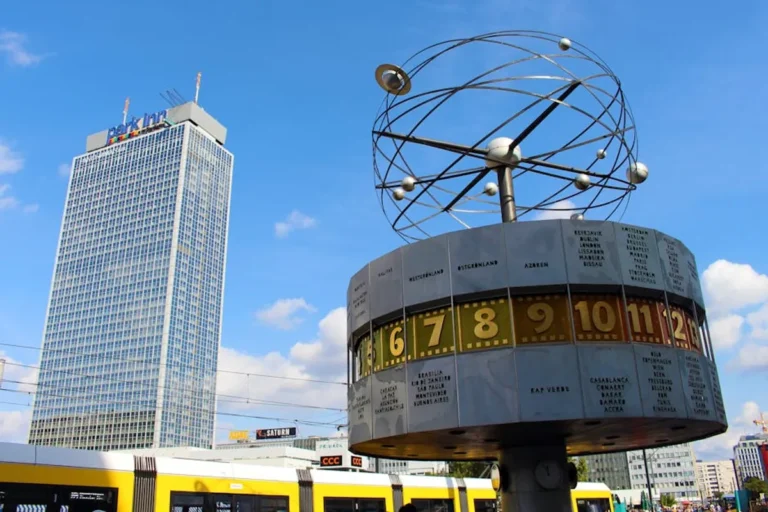
Dominating the city skyline, the Berlin TV Tower at Alexanderplatz offers unparalleled 360-degree views of Berlin from its observation deck and revolving restaurant. Standing at 368 meters, it's the tallest structure in Germany and provides a unique perspective on the city's layout, landmarks, and surrounding areas. A visit here allows for a comprehensive visual orientation, especially useful at the beginning of a weekend trip.
Best for: Panoramic views, orientation to the city, and a memorable dining experience (in the revolving restaurant).
Pros:
- Spectacular views of the entire city.
- Central location at Alexanderplatz, easily accessible.
- Observation deck and revolving restaurant offer different experiences.
- Great for photography, especially at sunset.
Cons:
- Tickets are relatively expensive.
- Long queues can form, even with pre-booked tickets, during peak times.
- The revolving restaurant requires separate, often expensive, reservations.
- Can be crowded on the observation deck.
Verdict: A classic Berlin experience for a bird's-eye view. Book tickets online in advance for a specific time slot to minimize waiting and consider going early in the morning or late afternoon for optimal light.
8. Boat Tour on the Spree
A boat tour along the Spree River offers a relaxing and informative way to see many of Berlin's key attractions from a different vantage point. Cruises typically pass by Museum Island, the Reichstag, Berlin Cathedral, and various government buildings, often with audio commentary providing historical context. It’s an ideal activity for tired feet or for gaining a quick, comprehensive overview of the city's riverside architecture and landmarks.
Best for: Relaxed sightseeing, photo opportunities, and gaining a comprehensive overview of central Berlin landmarks.
Pros:
- Relaxing and comfortable way to see multiple sights.
- Provides unique perspectives on iconic buildings.
- Audio commentary enhances the historical and architectural understanding.
- Suitable for all ages and mobility levels.
Cons:
- Weather-dependent; less enjoyable in cold or rainy conditions.
- Can be crowded, especially on popular routes and times.
- Limited opportunity to explore individual attractions in depth.
- Cost can add up for longer tours or families.
Verdict: A highly recommended activity for a relaxed afternoon, especially on a sunny day. Choose a tour length that fits your schedule and consider an open-top boat for better views and photos.
9. Exploring Kreuzberg
Kreuzberg is one of Berlin's most vibrant and diverse neighborhoods, known for its bohemian atmosphere, street art, bustling markets, and diverse culinary scene. From Turkish markets and falafel stands to trendy cafes and independent boutiques, Kreuzberg offers a sensory experience distinct from the more formal historical center. Stroll along Oranienstraße, explore the canal banks, or simply soak in the creative energy and multicultural flair.
Best for: Foodies, culture seekers, street art enthusiasts, and those looking for a lively, authentic Berlin neighborhood experience.
Pros:
- Rich cultural diversity and vibrant street life.
- Excellent and varied food options, from budget-friendly to upscale.
- Abundant street art and independent shops.
- Great for people-watching and experiencing local life.
Cons:
- Can be very busy, especially in the evenings and on weekends.
- Some areas can feel a bit gritty, depending on personal preference.
- Not focused on traditional "sights," requiring an appreciation for atmosphere.
- Specific attractions require research to locate.
Verdict: Dedicate an afternoon or evening to wander through Kreuzberg. It's an immersive experience that reveals a crucial facet of contemporary Berlin's identity, best enjoyed by simply exploring its streets and cafes.
10. Tiergarten Park
Tiergarten is Berlin's largest inner-city park, a sprawling green oasis often compared to New York's Central Park or London's Hyde Park. It offers miles of walking and cycling paths, serene lakes, hidden monuments, and open lawns perfect for picnicking. Within the park, you'll find the Victory Column (Siegessäule), Schloss Bellevue (the German President's residence), and the Berlin Zoo. It's a perfect escape from urban bustle, providing space for relaxation and recreation.
Best for: Nature lovers, families, cyclists, and those seeking relaxation and a break from intense sightseeing.
Pros:
- Vast green space for relaxation and recreation.
- Home to several notable landmarks and monuments.
- Offers a peaceful contrast to the city's busy areas.
- Free to enter and explore.
Cons:
- Can be very large to navigate on foot; consider renting a bike.
- Less structured "attractions" compared to other options.
- Requires good weather to fully appreciate.
- Some areas can feel isolated, especially after dark.
Verdict: Ideal for a leisurely morning walk, a picnic, or a bike ride. It provides a refreshing break and a chance to experience Berlin's natural beauty and scale, particularly if you've already seen the main historical sites.
11. Memorial to the Murdered Jews of Europe
This striking memorial, designed by Peter Eisenman, consists of 2,711 concrete slabs of varying heights, arranged in a grid pattern on a sloping field. Walking through the labyrinthine pathways evokes a powerful and unsettling sense of disorientation and reflection, honoring the victims of the Holocaust. An underground information center provides further historical context and personal stories, making it a profoundly moving and essential visit for understanding a dark chapter in German history.
Best for: Reflective visitors, history students, and those seeking a powerful and somber historical experience.
Pros:
- Profoundly impactful and thought-provoking design.
- Centrally located, near the Brandenburg Gate.
- Free to visit, both the outdoor field and the information center.
- Offers crucial historical education and remembrance.
Cons:
- Can be emotionally challenging for some visitors.
- The design is abstract, requiring engagement to fully appreciate its meaning.
- Can be crowded, which can detract from the reflective atmosphere.
- Some visitors may find the lack of overt signage initially confusing.
Verdict: A necessary and deeply moving experience for anyone visiting Berlin. Allow ample time for quiet reflection both within the field of stelae and in the informative underground exhibition.
12. Markthalle Neun
Markthalle Neun, a historic market hall in Kreuzberg, has been revitalized into a hub for artisanal food, local produce, and international street food. While it hosts various events throughout the week, its "Street Food Thursday" is legendary, drawing huge crowds for a diverse culinary journey. On other weekend days, it features a traditional market, breakfast market, or specific themed events. It's a vibrant showcase of Berlin's contemporary food scene and a great place to sample diverse flavors.
Best for: Foodies, those seeking local culinary experiences, and anyone interested in Berlin's vibrant food scene.
Pros:
- Exceptional variety of high-quality street food and local produce.
- Lively and authentic atmosphere, especially during special events.
- Opportunity to sample diverse international cuisines.
- Indoor activity, suitable for any weather.
Cons:
- Can be extremely crowded, especially on Street Food Thursday.
- Limited seating, often requiring standing to eat.
- Not all vendors accept card payments; cash is often preferred.
- Specific events like Street Food Thursday only occur on certain days.
Verdict: A highly recommended culinary destination. Check their website for the weekend schedule and plan to arrive early for popular events like Street Food Thursday to avoid the worst of the crowds.
Maximizing Your Berlin Weekend Experience
To make the most of a Berlin weekend, consider creating a thematic itinerary. Group historical sites together, dedicate a day to art and culture, or focus on a specific neighborhood's unique offerings. Public transport is excellent; invest in a day pass (Tageskarte) or a Berlin WelcomeCard for unlimited travel and potential discounts on attractions. Always wear comfortable shoes, as much of Berlin is best explored on foot. Don't be afraid to deviate from your plan if a local recommendation or an unexpected street art discovery catches your eye. Berlin rewards spontaneity as much as meticulous planning.
Common Questions for a Berlin Weekend Trip
Q: What's the best way to get around Berlin?
A: Berlin has an extensive and efficient public transport system (U-Bahn, S-Bahn, trams, buses). A 24-hour or 72-hour ticket is usually the most cost-effective option for tourists.
Q: Is Berlin an expensive city for a weekend?
A: Berlin can be relatively affordable compared to other major European capitals. Many key historical sites are free, and food options range from inexpensive street food to high-end dining. Accommodation prices vary widely depending on location and season.
Q: Do I need to speak German?
A: While German is the official language, English is widely spoken, especially in tourist areas, restaurants, and shops. Learning a few basic German phrases like "Guten Tag" (hello) and "Danke" (thank you) is always appreciated.
Q: What's the best time of year to visit Berlin?
A: Late spring (May-June) and early autumn (September-October) offer pleasant weather and fewer crowds. Summer (July-August) is vibrant with many outdoor events, but can be hot and busy. Winter (November-February) brings Christmas markets and a festive atmosphere, but also cold temperatures.
Q: Is Berlin safe for tourists?
A: Berlin is generally a safe city. Standard precautions against pickpocketing in crowded areas and being aware of your surroundings at night are advisable, as in any large city.
Q: Should I buy a Berlin WelcomeCard?
A: The Berlin WelcomeCard offers unlimited public transport and discounts on many attractions. Evaluate if the discounts on the specific attractions you plan to visit outweigh the card's cost compared to just buying transport tickets and individual entry fees.