
Berlin offers a dynamic weekend escape, blending rich history with vibrant contemporary culture. Deciding how to spend just a few days can be overwhelming given the sheer volume of options, from world-class museums and historical landmarks to bustling markets, serene parks, and legendary nightlife. This guide curates a selection of the best activities, focusing on diverse interests to help you tailor an unforgettable itinerary, ensuring your limited time is spent on experiences that genuinely resonate with your preferences and priorities.
Crafting Your Ideal Berlin Weekend Itinerary
Maximizing a short trip to Berlin requires strategic planning tailored to individual preferences. Before committing to specific activities, consider these factors to ensure your weekend aligns with your interests and logistical capabilities.
- Define Your Core Interests: Berlin caters to a wide spectrum of visitors. Are you primarily a history enthusiast keen on World War II or Cold War sites? An art and culture aficionado looking for museums and galleries? A foodie seeking unique culinary experiences and vibrant markets? Or perhaps you prioritize nightlife, green spaces, or alternative urban exploration? Identifying your primary focus helps narrow down the extensive options.
- Account for Weather Conditions: Berlin's weather varies significantly by season. Summer offers pleasant outdoor conditions ideal for parks, open-air events, and al fresco dining. Winter often brings cold temperatures, making indoor attractions like museums, theaters, and cozy cafes more appealing. Check the forecast before your trip to pack appropriately and prioritize weather-suitable activities.
- Budget Allocation: Berlin provides options across all price points. Many historical sites and memorials are free, while world-class museums and guided tours typically incur costs. Dining ranges from affordable street food to high-end restaurants. Factor in transportation costs, as extensive use of public transit or taxis will add up. Prioritizing free or low-cost activities can significantly extend your budget.
- Geographic Grouping and Logistics: Berlin is a sprawling city. Grouping activities by district minimizes travel time and maximizes exploration. For instance, Museum Island, the Brandenburg Gate, and the Reichstag are all relatively close. Utilize Berlin's efficient public transport system (U-Bahn, S-Bahn, tram, bus) to navigate between areas effectively.
- Advance Booking Requirements: For popular attractions like the Reichstag Dome, specific museum exhibitions, high-demand restaurant reservations, or guided tours, booking well in advance is often essential. Spontaneous visits to these sites may result in long queues or unavailability, especially on weekends.
1. Brandenburg Gate & Reichstag Building
These iconic landmarks stand as essential symbols of German history and unity. The Brandenburg Gate, a neoclassical monument, represents both division and reunification. Directly adjacent, the Reichstag Building, home to the German Parliament, features a modern glass dome offering panoramic city views and a unique insight into the parliamentary process. Visiting both provides a foundational understanding of Berlin's political and historical narrative.
Best for: First-time visitors, history enthusiasts, those seeking iconic photo opportunities, and anyone interested in Germany's political landscape.
Pros:
- Highly significant historical and political sites, offering a deep dive into German heritage.
- The Brandenburg Gate is freely accessible at all times, providing an immediate sense of arrival in Berlin.
- The Reichstag Dome offers unparalleled views of the city skyline, particularly striking at sunset or night.
- Proximity to other key sites like the Memorial to the Murdered Jews of Europe.
Cons:
- Access to the Reichstag Dome requires advance online registration, often several weeks ahead, which can be a barrier for spontaneous travelers.
- Security checks at the Reichstag can be time-consuming, even with pre-booked slots.
- The area around the Brandenburg Gate is consistently crowded with tourists.
Verdict: Essential for any Berlin itinerary, these sites ground your visit in the city's historical and political context. Prioritize booking the Reichstag Dome well in advance to avoid disappointment.
2. Museum Island
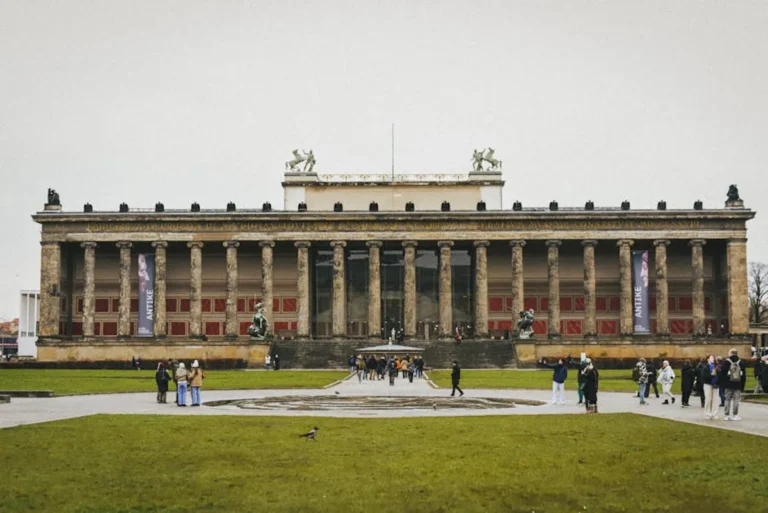
A UNESCO World Heritage site, Museum Island is a unique ensemble of five world-renowned museums situated on an island in the Spree River. It houses unparalleled collections spanning millennia of human history, art, and culture. Key institutions include the Pergamon Museum (currently partially closed for renovation, check specific exhibition availability), the Neues Museum with Nefertiti's bust, the Altes Museum, the Bode Museum, and the Alte Nationalgalerie. Each offers distinct specializations, from ancient artifacts to 19th-century art.
Best for: Art and history lovers, those seeking in-depth cultural immersion, and visitors interested in ancient civilizations and classical art.
Pros:
- Concentration of multiple world-class museums in one walkable area, simplifying logistics.
- Collections are extensive and diverse, covering a vast range of historical periods and artistic styles.
- The architecture of the buildings themselves is impressive and historically significant.
- A Museum Pass can offer cost savings if visiting multiple institutions over a few days.
Cons:
- The sheer volume of exhibits can be overwhelming for a single weekend; it's impossible to see everything.
- Specific popular exhibits or museums (like the Pergamon's Ishtar Gate or the Neues Museum's Nefertiti) attract significant crowds.
- Some parts of the Pergamon Museum are undergoing extensive renovations until at least 2027, limiting access to certain exhibits.
- Entry fees can accumulate if visiting multiple museums without a pass.
Verdict: Dedicate at least half a day, if not a full day, to Museum Island. Select one or two museums based on your specific interests to avoid museum fatigue and allow for genuine appreciation of the collections.
3. East Side Gallery & Kreuzberg Exploration
The East Side Gallery is the longest open-air gallery in the world, consisting of a 1.3-kilometer section of the former Berlin Wall adorned with over 100 murals by artists from around the globe. These artworks reflect the political changes of 1989/1990 and offer messages of hope, peace, and freedom. Following this, exploring the vibrant Kreuzberg district reveals a hub of alternative culture, street art, diverse eateries, and independent shops, showcasing Berlin's contemporary, multicultural identity.
Best for: Street art enthusiasts, those interested in contemporary history and urban culture, and visitors seeking a vibrant, less tourist-centric atmosphere.
Pros:
- The East Side Gallery is a powerful, free outdoor historical site, accessible at all times.
- Provides a unique perspective on the fall of the Berlin Wall through artistic expression.
- Kreuzberg offers a rich tapestry of international cuisine, independent boutiques, and a lively nightlife scene.
- Excellent opportunities for photography, both at the gallery and in the district's vibrant streets.
Cons:
- The East Side Gallery can be very crowded, especially on sunny weekend afternoons.
- Some murals have suffered from vandalism or graffiti, detracting from their original impact.
- Kreuzberg's charm lies in its gritty, authentic feel, which might not appeal to all visitors seeking polished tourist experiences.
- Navigating Kreuzberg effectively might require some prior research to find specific points of interest.
Verdict: A compelling combination for understanding both Berlin's recent past and its dynamic present. Allocate ample time to walk the gallery and then wander the streets of Kreuzberg, soaking in the atmosphere.
4. Markthalle Neun Street Food Thursday
Markthalle Neun in Kreuzberg transforms into a bustling culinary hub every Thursday evening for its renowned Street Food Thursday event. This historic market hall, originally opened in 1891, hosts dozens of vendors offering an eclectic mix of international street food, from traditional German dishes to Asian fusion, Mexican tacos, and gourmet burgers. It's a vibrant sensory experience, combining delicious food with a lively community atmosphere.
Best for: Foodies, those seeking authentic local experiences, visitors interested in culinary diversity, and groups looking for a casual, lively dinner option.
Pros:
- Exceptional variety of international and local street food, catering to diverse tastes and dietary needs.
- Lively and social atmosphere, perfect for experiencing local Berlin life.
- Affordable prices for high-quality, freshly prepared food.
- Indoor setting makes it a good option regardless of weather conditions.
Cons:
- Only available on Thursday evenings, limiting its weekend applicability unless your weekend starts early. (Note: On Saturdays, it hosts a regular market with local produce and food stalls, which is also excellent but a different vibe).
- Can become extremely crowded, making it difficult to find seating or navigate between stalls.
- The popularity means queues for certain vendors can be long.
Verdict: If your weekend begins on a Thursday, this is a must-do culinary highlight. For Friday-Sunday visitors, consider the Saturday market for a similar but less frantic food experience, or explore other food markets like the Arminiusmarkthalle.
5. Exploring Berlin's Nightlife in Friedrichshain/Neukölln
Berlin's nightlife is legendary, known for its diverse club scene, experimental bars, and late closing times. While specific clubs like Berghain or KitKat are famous, their exclusivity means entry is not guaranteed. Instead, focus on exploring the vibrant bar and club districts of Friedrichshain (around Simon-Dach-Straße and Revaler Straße) or Neukölln (around Weserstraße) for a more accessible yet authentic experience. These areas offer a plethora of cocktail bars, craft beer pubs, live music venues, and smaller clubs catering to various tastes.
Best for: Party-goers, those seeking a vibrant social scene, music lovers, and visitors interested in Berlin's contemporary cultural pulse.
Pros:
- Extremely diverse options, from relaxed pubs to high-energy clubs, ensuring something for every preference.
- Many venues operate until late morning, allowing for extended evenings.
- Often more affordable drinks compared to other major European capitals.
- The atmosphere is generally open-minded and inclusive.
Cons:
- Entry to some of the most famous clubs is highly selective and unpredictable, leading to potential disappointment.
- Can be very loud and crowded, especially in popular areas.
- Late nights might impact energy levels for daytime activities the following day.
- Requires a degree of comfort with navigating the city late at night.
Verdict: Embrace the district-specific nightlife rather than chasing single, elusive venues. Friedrichshain and Neukölln offer a genuine taste of Berlin's evening culture without the frustration of selective entry policies.
6. Tiergarten & Victory Column
Tiergarten is Berlin's largest and most famous inner-city park, a sprawling green oasis perfect for relaxation, strolling, or cycling. It offers a serene contrast to the urban bustle, featuring tree-lined paths, peaceful waterways, and open lawns. At its center stands the towering Victory Column (Siegessäule), a monumental landmark commemorating Prussian military victories. Visitors can climb to its observation deck for expansive views across the park and city skyline.
Best for: Nature lovers, those seeking relaxation, families, and visitors looking for panoramic city views combined with outdoor activity.
Pros:
- Offers a peaceful escape from the city, ideal for leisurely walks or picnics.
- The Victory Column provides excellent 360-degree views of Berlin, including the Brandenburg Gate and Reichstag.
- Free access to the park, with a modest fee for climbing the Victory Column.
- Centrally located, making it easily accessible from many tourist areas.
Cons:
- Climbing the Victory Column involves a significant number of steps (285), which may not be suitable for everyone.
- The park is very large, so exploring it fully requires considerable walking or cycling.
- Weather-dependent; best enjoyed on a clear day.
- Can be crowded near the Victory Column and main pathways on sunny weekends.
Verdict: A refreshing break from historical sites and museums. Combine a leisurely stroll through Tiergarten with the rewarding climb up the Victory Column for a balanced urban and natural experience.
7. Berlin Wall Memorial & Documentation Centre
The Berlin Wall Memorial on Bernauer Straße is the central memorial site for the division of Germany. It preserves a section of the original Wall, complete with watchtowers and a death strip, offering a poignant and authentic representation of the former border fortifications. The outdoor exhibition and the Documentation Centre provide extensive historical information, personal stories, and photographs, detailing the construction, impact, and fall of the Wall, making it an indispensable site for understanding Cold War history.
Best for: History buffs, those interested in Cold War history, and visitors seeking a profound and educational experience about Berlin's division.
Pros:
- The most comprehensive and authentic site dedicated to the Berlin Wall, featuring preserved original sections.
- Free access to the outdoor memorial and documentation center, making it accessible to all budgets.
- Offers deeply moving personal stories and detailed historical context through multimedia exhibits.
- Less crowded than Checkpoint Charlie, providing a more reflective experience.
Cons:
- The subject matter is somber and can be emotionally challenging.
- Requires significant walking to explore the entire memorial site and its various sections.
- Primarily an outdoor experience, so weather conditions are a factor.
- Can be less visually dramatic than the East Side Gallery for those seeking art over raw historical preservation.
Verdict: Essential for a thorough understanding of the Berlin Wall's impact. Prioritize this memorial over the more commercialized Checkpoint Charlie for a truly educational and reflective experience.
8. Memorial to the Murdered Jews of Europe & Jewish Museum
The Memorial to the Murdered Jews of Europe, also known as the Holocaust Memorial, is a striking and somber field of 2,711 concrete slabs of varying heights, designed to evoke a sense of disorientation and reflection. Beneath it lies an information center providing detailed historical context and personal testimonies. Complementing this, the Jewish Museum Berlin, housed in a distinctive building by Daniel Libeskind, presents two millennia of German-Jewish history through a compelling narrative of cultural exchange, persecution, and resilience.
Best for: Visitors seeking a profound and reflective historical experience, those interested in Jewish culture and history, and individuals looking to understand the complexities of Germany's past.
Pros:
- The Memorial is a powerful, free, and accessible outdoor site for contemplation.
- The Information Centre beneath the Memorial offers crucial context and personal stories.
- The Jewish Museum provides an extensive and deeply engaging exploration of German-Jewish history and culture.
- Both sites are architecturally significant, adding to the visitor experience.
Cons:
- The subject matter is very heavy and can be emotionally draining.
- The Jewish Museum requires several hours for a thorough visit, potentially consuming a significant portion of a weekend day.
- The Memorial, while impactful, can be misinterpreted without visiting the accompanying Information Centre.
- Entry to the Jewish Museum incurs a fee.
Verdict: A vital, albeit somber, part of understanding Berlin's history. Combine a thoughtful visit to the Memorial with the comprehensive exhibits of the Jewish Museum for a complete and impactful historical perspective.
9. Mauerpark Flea Market & Bearpit Karaoke (Sunday)
Every Sunday, Mauerpark in Prenzlauer Berg transforms into a vibrant hub for its famous flea market. Hundreds of stalls offer everything from vintage clothing and antique furniture to handmade crafts and quirky souvenirs. The park also hosts impromptu musical performances and, most famously, the "Bearpit Karaoke" in its amphitheater, where brave individuals sing to a cheering crowd. It's a quintessential Berlin Sunday experience, blending shopping, entertainment, and people-watching.
Best for: Shoppers seeking unique finds, those looking for a lively local atmosphere, music lovers, and visitors wanting a quintessential Berlin Sunday experience.
Pros:
- Offers a vast array of unique items, making it ideal for souvenir hunting or finding vintage treasures.
- The Bearpit Karaoke is a free, entertaining, and uniquely Berlin spectacle, weather permitting.
- Lively and diverse atmosphere with street food vendors, buskers, and a mix of locals and tourists.
- Free entry to the market and park.
Cons:
- Only operates on Sundays, limiting its availability for shorter weekend trips.
- Can become extremely crowded, making navigation and browsing challenging.
- The quality of goods at the flea market varies widely; some items are overpriced.
- Bearpit Karaoke is weather-dependent and can be very crowded, making it hard to get a good viewing spot.
Verdict: A highly recommended Sunday activity for experiencing Berlin's alternative and community spirit. Arrive early to beat the crowds for the best browsing, and stay for the unique karaoke spectacle.
10. Spree River Boat Tour
A boat tour along the Spree River offers a relaxed and scenic way to see many of Berlin's major landmarks from a unique perspective. Various tour operators offer different routes and durations, typically passing by sights such as the Reichstag, Museum Island, Berlin Cathedral, and the Oberbaum Bridge. These tours often include commentary (available in multiple languages) providing historical context and interesting facts about the city's architecture and development.
Best for: First-time visitors, those seeking a relaxed sightseeing option, individuals with limited mobility, and anyone looking for a different vantage point of the city.
Pros:
- Provides panoramic views of numerous key attractions without extensive walking.
- Offers a comfortable and relaxing way to absorb the city's atmosphere.
- Commentary provides valuable historical and architectural insights.
- Suitable for all ages and mobility levels.
Cons:
- Weather-dependent; less enjoyable on cold or rainy days, though some boats have indoor sections.
- Can feel less immersive than exploring sites on foot.
- Tours can be touristy and sometimes crowded, especially during peak season.
- Incurs a moderate cost, which can add up for groups or families.