Brazilian cuisine offers a journey through regional diversity, reflecting Indigenous, African, and European influences. Understanding this culinary landscape is key to enriching any visit to Brazil, moving beyond basic tourist fare to genuine cultural engagement. This guide outlines essential dishes, immersive food experiences, and practical advice for navigating dining and food-related activities across the country.
Exploring Brazil's Culinary Landscape
Regional Flavors and Signature Dishes
Brazil's vast geography dictates distinct culinary traditions. The Northeast, particularly Bahia, is known for its African-inspired dishes, often featuring palm oil (dendê), coconut milk, and seafood. Acarajé, a deep-fried black-eyed pea fritter filled with vatapá (shrimp and bread paste) and caruru (okra stew), is a staple street food. Moqueca, a seafood stew, varies by region; the Bahian version is rich with dendê oil and coconut milk, while the Espírito Santo style uses olive oil and urucum for color.
The Southeast, encompassing states like Minas Gerais, Rio de Janeiro, and São Paulo, presents a more varied palate. Minas Gerais is celebrated for its rustic, farm-to-table cooking, with pão de queijo (cheese bread) and feijão tropeiro (beans with manioc flour, bacon, and sausage) as local icons. Rio de Janeiro and São Paulo are melting pots where the national dish, feijoada (black bean stew with various cuts of pork and beef), is widely enjoyed. Desserts like brigadeiro (chocolate fudge ball) are ubiquitous.
In the South, particularly Rio Grande do Sul, the gaucho tradition dominates, centered around churrasco – slow-grilled meats. Rodízio-style steakhouses originated here, offering an all-you-can-eat experience where waiters bring skewers of meat directly to the table. The Amazon region features unique ingredients like tacacá (a tucupi-based soup with jambu and dried shrimp) and fresh, often savory, preparations of açaí.
Essential Ingredients and Staples
Brazilian cuisine relies on a core set of ingredients. Manioc, also known as cassava or yuca, is fundamental, appearing as farofa (toasted manioc flour), pirão (manioc puree), or fried yuca. Rice and beans form the daily meal base, often served separately or together. Dendê oil, derived from the African oil palm, imparts a distinctive flavor and vibrant orange color to Northeastern dishes. Tropical fruits such as mango, passion fruit, guava, and acerola are consumed fresh, as juices, or in desserts. Cachaça, a distilled spirit made from fermented sugarcane juice, is the base for the caipirinha cocktail and a common ingredient in some culinary preparations.
Immersive Culinary Experiences
Dining Etiquette and Social Norms
Dining in Brazil is often a social affair. Meals can be lengthy, especially lunch, and sharing appetizers or side dishes is common. Portions are frequently generous, making it acceptable to order fewer dishes for a group. Tipping is customary; a 10% service charge is often added to the bill (serviço), but leaving extra for exceptional service is appreciated. In casual settings, it’s common to eat with utensils, even for items like pizza slices or pastries.
Beyond Restaurants: Markets and Street Food
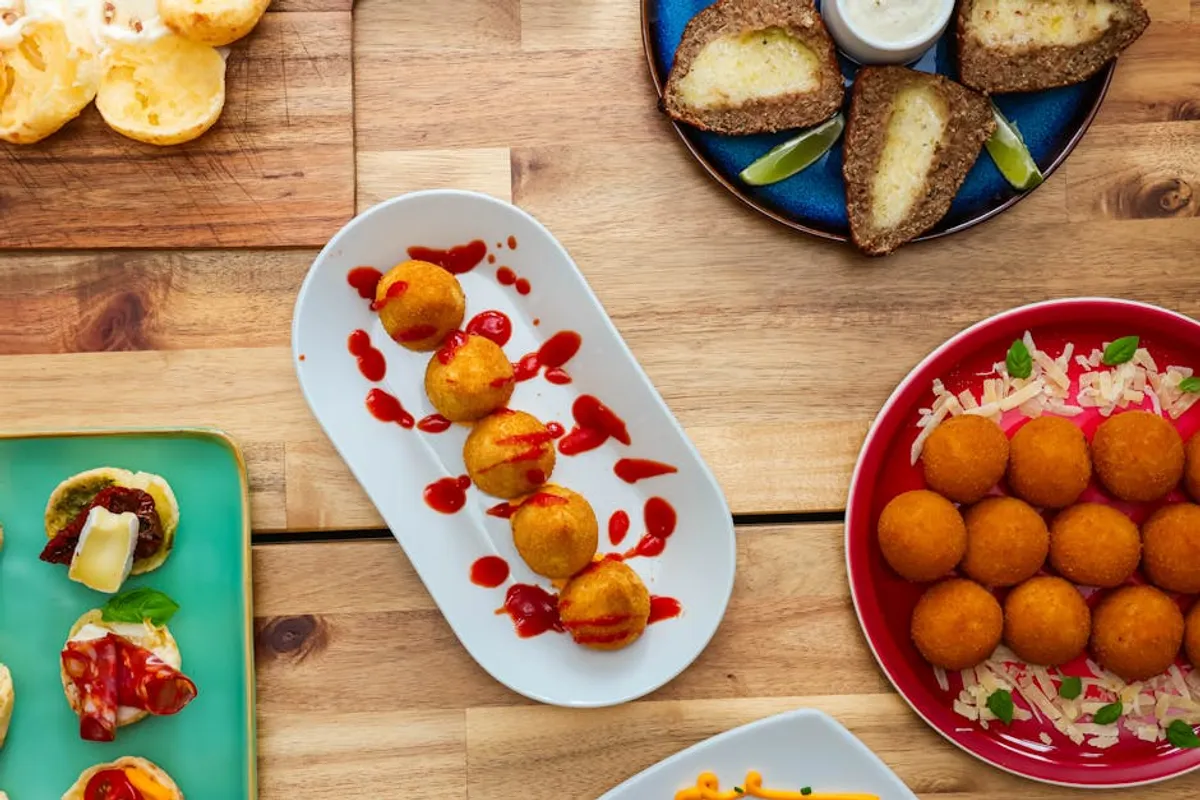
For an authentic culinary immersion, exploring local markets (feiras) and street food vendors is essential. Feiras offer fresh produce, regional cheeses, and prepared foods like pastel (deep-fried savory pastries) and caldo de cana (sugarcane juice). Street food vendors provide convenient, often budget-friendly options such as coxinha (shredded chicken croquettes), pão de queijo, and various sweets. Always observe where locals are eating to gauge freshness and popularity.
Food-Focused Activities
Engaging with Brazilian food extends beyond simply eating. Consider taking a cooking class, especially in regions known for specific cuisines like Bahia, to learn to prepare dishes such as moqueca or acarajé. In the South, particularly in Rio Grande do Sul, vineyard tours and wine tastings are available, reflecting the region's European winemaking heritage. Visiting a cachaça distillery (alambique) offers insight into the production of Brazil’s national spirit, often including tastings of various aged cachaças.
Pro Tip: When exploring street food or local markets, prioritize vendors with high customer turnover and visible hygiene practices. Freshly prepared items, especially those cooked to order, generally pose less risk. Always opt for bottled water or filtered water in restaurants to avoid potential stomach upset.
Practical Travel Advice for Food Enthusiasts
Navigating Dietary Needs and Restrictions
Communicating dietary restrictions can be challenging but is manageable. Many restaurants, especially in larger cities, are accustomed to requests for vegetarian or gluten-free options. Learning a few key Portuguese phrases—e.g., "Eu sou vegetariano/a" (I am vegetarian), "Eu não como carne/frango/peixe" (I don't eat meat/chicken/fish), "Eu tenho alergia a..." (I am allergic to...)—can be highly beneficial. Inquire about ingredients; many traditional dishes contain hidden meats or dairy.
Food Safety and Health Considerations
While Brazil offers incredible culinary experiences, exercising caution with food and drink is prudent. Avoid tap water; stick to sealed bottled water or filtered water provided by reputable establishments. Be mindful of raw salads or fruits that may have been washed in tap water. When consuming street food, choose hot, freshly cooked items. Ice in drinks can also be a source of contamination if not made from filtered water. Pack any necessary digestive aids.
Budgeting for Meals
Meal costs vary significantly across Brazil. Budget-friendly options include restaurantes por quilo (pay-by-weight buffets, common for lunch), street food, and local bakeries (padarias) for breakfast and snacks. Mid-range restaurants offer a balance of quality and price. Upscale dining, particularly in major cities, can be comparable to international prices. Rodízio (all-you-can-eat) restaurants, especially churrascarias, can be a good value for large appetites but represent a higher per-meal cost.
Embracing Brazilian Flavors
Engaging with Brazilian food is an integral part of understanding its culture. From the rich stews of the Northeast to the grilled meats of the South, each region tells a story through its cuisine. Approach dining with an open mind, try local specialties, and use the practical tips provided to ensure a safe and memorable culinary adventure. This direct engagement with local flavors will deepen your travel experience.
Frequently Asked Questions
Is Brazilian food generally spicy?
Brazilian food is not typically spicy in the way Mexican or Thai cuisine is. While some dishes, particularly from the Northeast, might use chili peppers, they are usually for flavor rather than intense heat. Hot sauces are often served on the side.
What is a typical Brazilian breakfast?
A common Brazilian breakfast includes fresh bread (pão francês), cheese, ham, butter, fresh fruit, fruit juice, coffee with milk, and sometimes pão de queijo or cake.
Are vegetarian options readily available in Brazil?
While traditional Brazilian cuisine is meat-centric, vegetarian options are increasingly available, especially in larger cities. Restaurantes por quilo often have extensive salad bars and vegetable dishes. Look for terms like "sem carne" (without meat) or "vegetariano."
What is a caipirinha?
The caipirinha is Brazil's national cocktail, made with cachaça (sugarcane spirit), lime, sugar, and ice. It is a refreshing and popular drink found almost everywhere.