Navigating Berlin in just 48 hours requires a focused approach to capture its unique blend of history, art, and contemporary culture. This itinerary prioritizes efficiency and thematic exploration, ensuring a rich experience without the rush of trying to see everything. The goal is to provide a framework that balances iconic landmarks with authentic local immersion, allowing visitors to appreciate Berlin's multifaceted identity even within a condensed timeframe.
Day 1: Historical Depths and Urban Vistas
Morning: Imperial Echoes and Somber Reflection
Begin your Berlin exploration at the Brandenburg Gate, an enduring symbol of German unity. Arrive early to avoid peak crowds and appreciate its neoclassical architecture. From there, a short walk leads to the Reichstag Building, Germany's parliament. Securing a visit to the glass dome requires advance registration on the Bundestag website, often several weeks ahead. This visit offers panoramic city views and a direct connection to Germany's political heart. Following this, dedicate time to the Memorial to the Murdered Jews of Europe, an expansive field of concrete stelae designed to evoke a sense of disorientation and reflection. The adjacent underground information center provides crucial historical context.
Lunch: Central Convenience
For lunch, options abound near Potsdamer Platz, a modern commercial hub rebuilt after WWII. Here, you can find quick-service eateries, cafes, and restaurants catering to various tastes, offering a convenient pause before the afternoon's cultural deep dive.
Afternoon: Museum Island and Architectural Grandeur
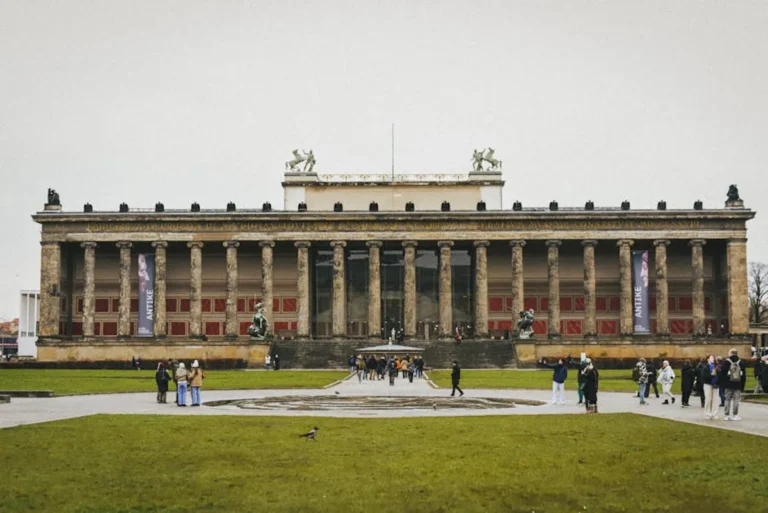
Proceed to Museum Island (Museumsinsel), a UNESCO World Heritage site housing five world-renowned museums. Given limited time, select one or two based on your interest. The Pergamon Museum, with its monumental reconstructions like the Ishtar Gate, is a popular choice, though parts may be under renovation. Alternatively, the Neues Museum houses the bust of Nefertiti, a captivating ancient Egyptian artifact. Conclude your island visit with the Berliner Dom (Berlin Cathedral), an impressive Protestant church offering dome climbs for further city views and a crypt housing Hohenzollern dynasty tombs.
Evening: Mitte's Culinary Scene
As evening approaches, explore the Mitte district for dinner. This central borough offers a diverse culinary landscape, from traditional German fare to international cuisine. Areas around Hackescher Markt and Oranienburger Straße are particularly vibrant, featuring numerous restaurants and bars. Consider making a reservation, especially on weekends, to secure a table at your preferred establishment.
Pro Tip: Berlin's public transport system (BVG) is highly efficient. For 48 hours, a 48-hour or 72-hour Berlin Welcome Card (AB zone) can be cost-effective, offering unlimited travel on U-Bahn, S-Bahn, trams, and buses, plus discounts on many attractions. Purchase upon arrival at any U-Bahn/S-Bahn station or online.
Day 2: Counter-Culture, Art, and Local Flavors
Morning: East Side Gallery and Street Art
Begin your second day with a visit to the East Side Gallery, the longest open-air gallery in the world, consisting of a 1.3-kilometer section of the Berlin Wall covered in murals by artists from around the globe. This powerful outdoor exhibition serves as a poignant reminder of the city's divided past and its artistic reclamation. Afterward, explore the surrounding Friedrichshain neighborhood, known for its alternative culture, independent boutiques, and vibrant street art scene.
Lunch: Friedrichshain's Eclectic Offerings
Friedrichshain provides numerous casual dining options. Look for cafes and imbisses (snack bars) offering everything from vegan delights to traditional German sausages. Boxhagener Platz hosts a popular flea market on Sundays and a food market on Saturdays, offering a chance to sample local street food.
Afternoon: Kreuzberg's Bohemian Charm or Tiergarten Serenity
For the afternoon, immerse yourself in Kreuzberg, a district renowned for its bohemian atmosphere, diverse communities, and lively streets. Wander through Bergmannkiez, with its charming boutiques, cafes, and historic architecture. Alternatively, for a more relaxed experience, head to Tiergarten, Berlin's largest urban park. Rent a rowboat on the Neuer See, visit the Victory Column for more panoramic views, or simply stroll through its expansive green spaces. The park also hosts the Berlin Zoo and Aquarium, if animal encounters are of interest.
Evening: Farewell Dinner and Cultural Immersion
Conclude your Berlin visit with a memorable dinner. Depending on your preference, Kreuzberg offers an array of international restaurants, particularly Turkish and Middle Eastern cuisine, reflecting the neighborhood's multicultural fabric. For a more upscale experience, consider a restaurant along the Spree River or in the vibrant area around Rosenthaler Platz. If time permits and interest aligns, catch a performance at one of Berlin's many theaters, opera houses, or smaller music venues to experience the city's rich cultural output firsthand.
Maximizing Your Brief Berlin Encounter
A 48-hour visit to Berlin is best approached with clear priorities. Attempting to cover every major attraction will lead to exhaustion and superficial engagement. Instead, focus on thematic clusters, such as historical sites in Mitte, or alternative culture in Friedrichshain and Kreuzberg. Utilize Berlin's efficient public transport system to minimize travel time between areas. Booking popular attractions like the Reichstag dome or specific museum exhibitions in advance is not merely a recommendation but often a necessity to secure entry and optimize your schedule. Embrace spontaneity for smaller discoveries, but anchor your days around one or two key experiences. This balanced strategy allows for both structured sightseeing and authentic urban exploration, leaving you with a genuine appreciation for Berlin's complex character.
Frequently Asked Questions
Is 48 hours enough to experience Berlin?
While 48 hours is a short duration for a city as vast and historically rich as Berlin, it is sufficient to experience its core identity by focusing on key historical sites, significant cultural districts, and local culinary experiences.
What is the most efficient way to travel between attractions in Berlin?
Berlin's public transport system (U-Bahn, S-Bahn, trams, buses) is extensive and efficient. Purchasing a day ticket or a Berlin Welcome Card for zones AB offers unlimited travel and is the most practical option for navigating the city.
Should I book attractions in advance for a 48-hour trip?
Yes, for popular attractions like the Reichstag Dome or specific museum exhibitions (e.g., Pergamon Museum, Neues Museum), booking tickets or time slots in advance is highly recommended to save time and guarantee entry, especially during peak seasons.
What local foods should I try during my visit?
Don't leave Berlin without trying Currywurst, a popular street food. Also, consider a traditional Döner Kebab, a Berliner Weisse (a sour wheat beer often served with raspberry or woodruff syrup), and a pretzel or Berliner Pfannkuchen (a jam-filled doughnut).