Understanding Berlin's fashion and street style trends offers a distinct commercial advantage for brands, retailers, and content creators operating within or adjacent to the apparel industry. Unlike the often top-down, runway-driven narratives of Paris or Milan, Berlin's aesthetic emerges organically from its urban environment, subcultures, and a strong emphasis on individuality and practicality. This bottom-up evolution means trends observed on Berlin streets frequently signal shifts in consumer values, material preferences, and silhouette choices that can inform product development cycles, marketing campaigns, and inventory strategies with greater authenticity and foresight.
The Influence of Berlin's Urban Landscape on Style
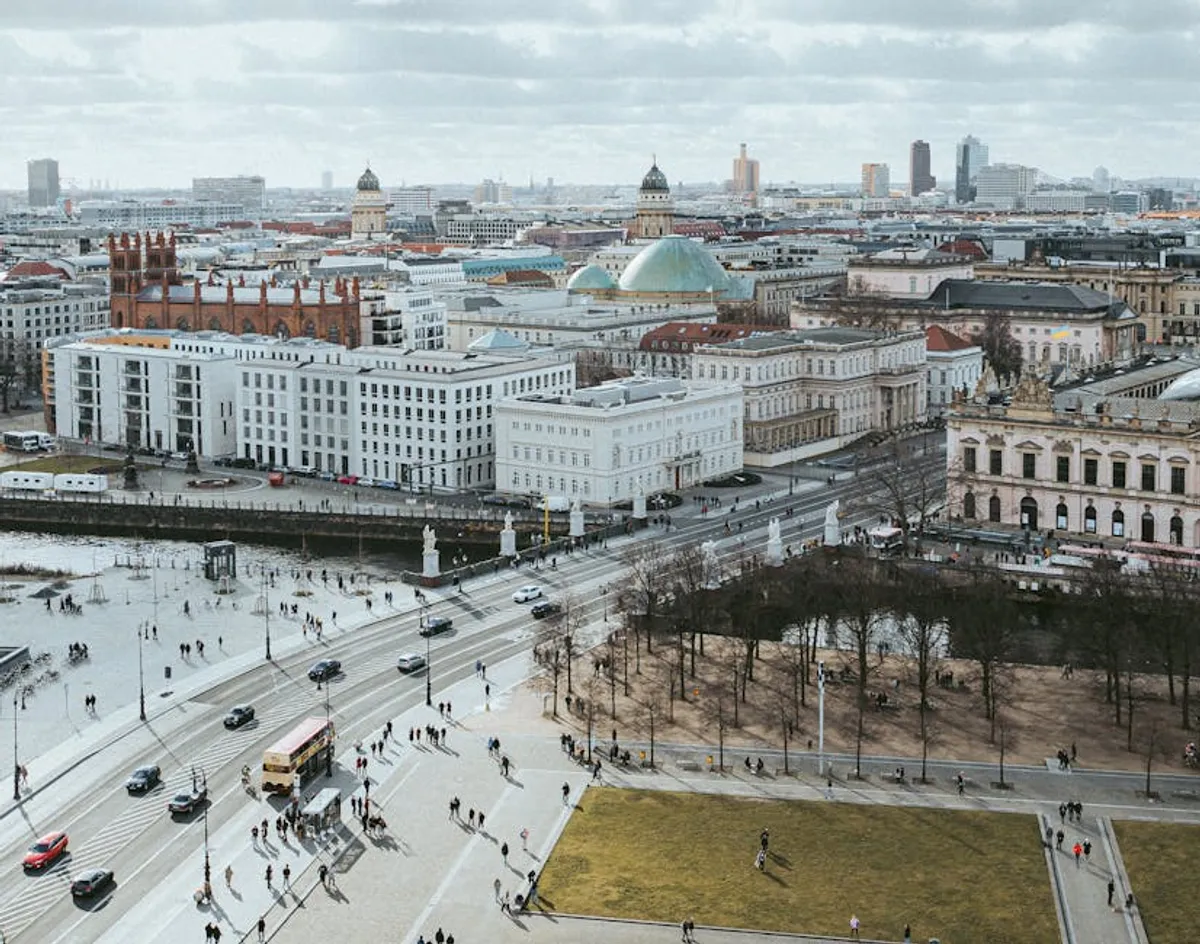
Berlin's unique history and architectural landscape directly shape its street style. The city's post-industrial spaces, raw concrete structures, and the enduring presence of artistic communities foster an aesthetic that prioritizes function, deconstruction, and a certain deliberate rawness over polished luxury. This environment cultivates a style that is both resilient and expressive, often reflecting a pragmatic approach to daily wear infused with creative rebellion.
Industrial Aesthetics and Upcycled Materials
The city's industrial heritage, particularly in areas like Mitte and Friedrichshain, translates into a prevalent use of robust, often utilitarian fabrics such as heavy cottons, denim, and technical synthetics. There's a strong lean towards upcycled and repurposed materials, not just as an ethical statement, but as an aesthetic choice. Garments often feature visible seams, raw edges, and patchwork constructions that celebrate their origin and construction process. This trend is commercially significant for brands exploring sustainable lines and material innovation, as it demonstrates consumer acceptance for visibly "imperfect" or reconstructed items.
Subcultural Roots and Anti-Fashion Stances
Berlin has long been a hub for diverse subcultures, from punk and techno to art collectives. This legacy manifests in an "anti-fashion" sentiment that rejects overt branding and conventional luxury. Instead, personal expression through unique combinations, vintage finds, and DIY modifications takes precedence. This isn't to say there's no commercial opportunity; rather, it highlights a market for niche brands, independent designers, and curated vintage collections that resonate with a desire for authenticity and non-conformity. Brands can tap into this by offering customizable options, limited-edition drops, and collaborating with local artists.
Key Emerging Berlin Street Style Trends
Observation of Berlin's urban centers reveals several distinct trends that provide actionable insights for commercial application. These aren't fleeting fads but rather evolving expressions of the city's underlying sartorial philosophy.
Deconstructed Silhouettes and Asymmetry
A prominent feature is the deconstruction of traditional garment forms. This includes oversized blazers with exaggerated shoulders, shirts with uneven hemlines, and trousers featuring unexpected pleating or cut-outs. Asymmetry is frequently employed to create visual interest and a sense of dynamic movement. For product developers, this translates into opportunities for innovative pattern cutting, experimental draping, and the introduction of adaptable, multi-wear garments that challenge conventional fit.
Utilitarian Wear Reimagined
Functional garments are consistently reinterpreted. Cargo pants, workwear jackets, and boiler suits are elevated through fabric choices, tailoring, and unexpected color palettes. Pockets are often oversized and prominently displayed, serving both practical and aesthetic purposes. This trend aligns with a broader consumer demand for versatility and durability, making it relevant for brands focusing on practical yet stylish everyday wear, particularly in the casual and outdoor segments.
Sustainable and Ethical Fashion Manifestations
Berlin's commitment to sustainability is deeply embedded in its fashion scene. This isn't just about eco-friendly materials but also about conscious consumption. Street style often showcases:
- Vintage and second-hand pieces integrated seamlessly into contemporary outfits.
- Garments from local, transparently produced labels.
- Repaired or visibly mended clothing, celebrating longevity over disposability.
- Natural fibers like linen, organic cotton, and hemp, often in their raw or undyed states.
Brands demonstrating clear ethical sourcing, transparent supply chains, and a focus on circularity will find resonance within this market segment, and increasingly, with a wider consumer base influenced by Berlin's example.
Bold Color Blocking and Graphic Statements
While often associated with muted tones, Berlin street style frequently incorporates unexpected bursts of color and graphic elements. This can manifest as a single vibrant accessory against an otherwise monochrome outfit, or as bold, abstract prints on jackets and bags. Graphic tees and hoodies often feature obscure band logos, political statements, or minimalist art. This trend offers commercial avenues for accessory brands, graphic designers, and streetwear labels to create impactful, conversation-starting pieces.
Vintage Revival with a Modern Edge
The integration of vintage clothing is not merely retro; it's about recontextualizing past eras within a contemporary framework. A 90s sportswear jacket might be paired with tailored trousers, or a 70s blouse with modern denim. This approach highlights individuality and resourcefulness. Retailers can capitalize on this by offering curated vintage collections, while brands can draw inspiration from historical silhouettes and fabrications, reinterpreting them with modern cuts and sustainable materials.
Pro Tip: Authenticity is paramount in Berlin street style; avoid directly copying trends without understanding their cultural context, as this can lead to misinterpretations and alienate target audiences. Instead, draw inspiration and adapt elements to fit your brand's unique narrative and consumer base.
Tracking Berlin Fashion for Commercial Advantage
For brands and retailers, actively monitoring Berlin's street style provides granular insights into consumer behavior and aesthetic preferences. This involves more than just observing clothing; it's about understanding the underlying values and lifestyle choices that inform these sartorial decisions. These insights can directly inform design teams on silhouette development, material procurement, and color palette selection. Marketing teams can leverage these observations to craft campaigns that resonate with a desire for individuality, sustainability, and urban authenticity. Furthermore, content creators can generate highly engaging material by showcasing how these trends translate into everyday wear, offering styling tips, and spotlighting local designers and initiatives.
Integrating Berlin's Aesthetic into Commercial Strategy
To effectively integrate Berlin's street style insights, businesses should consider a multi-faceted approach. This includes investing in trend forecasting that specifically analyzes subcultural movements and urban aesthetics, rather than solely relying on high-fashion runways. Developing product lines that emphasize versatility, durability, and a narrative of conscious consumption will align with the values driving these trends. Collaborations with local Berlin artists, designers, or cultural institutions can also lend authenticity and credibility to brand initiatives. For retailers, curating collections that blend new pieces with vintage-inspired items or actual second-hand finds can create a compelling and unique shopping experience.
Frequently Asked Questions
What defines Berlin street style?
Berlin street style is defined by its emphasis on individuality, practicality, deconstructed forms, sustainable practices, and a strong influence from subcultures and the city's industrial landscape, often rejecting overt luxury.
How do Berlin trends differ from other fashion capitals?
Unlike Paris or Milan, which are often dictated by high fashion runways, Berlin's trends are more organic, emerging from its diverse subcultures and urban environment, focusing on authenticity, function, and anti-establishment aesthetics rather than traditional glamour.
Can these trends be adapted for mainstream markets?
Yes, elements like utilitarian wear, sustainable materials, and oversized silhouettes are increasingly adopted by mainstream markets. The key is to adapt these trends by refining cuts, selecting accessible fabrics, and integrating them into broader commercial collections while retaining their core appeal of comfort and understated style.
What role does sustainability play in Berlin fashion?
Sustainability is a fundamental pillar of Berlin fashion, manifesting through extensive use of vintage and upcycled clothing, support for local and ethical brands, and a general preference for durable, long-lasting garments over fast fashion. It's an aesthetic and an ethical stance.