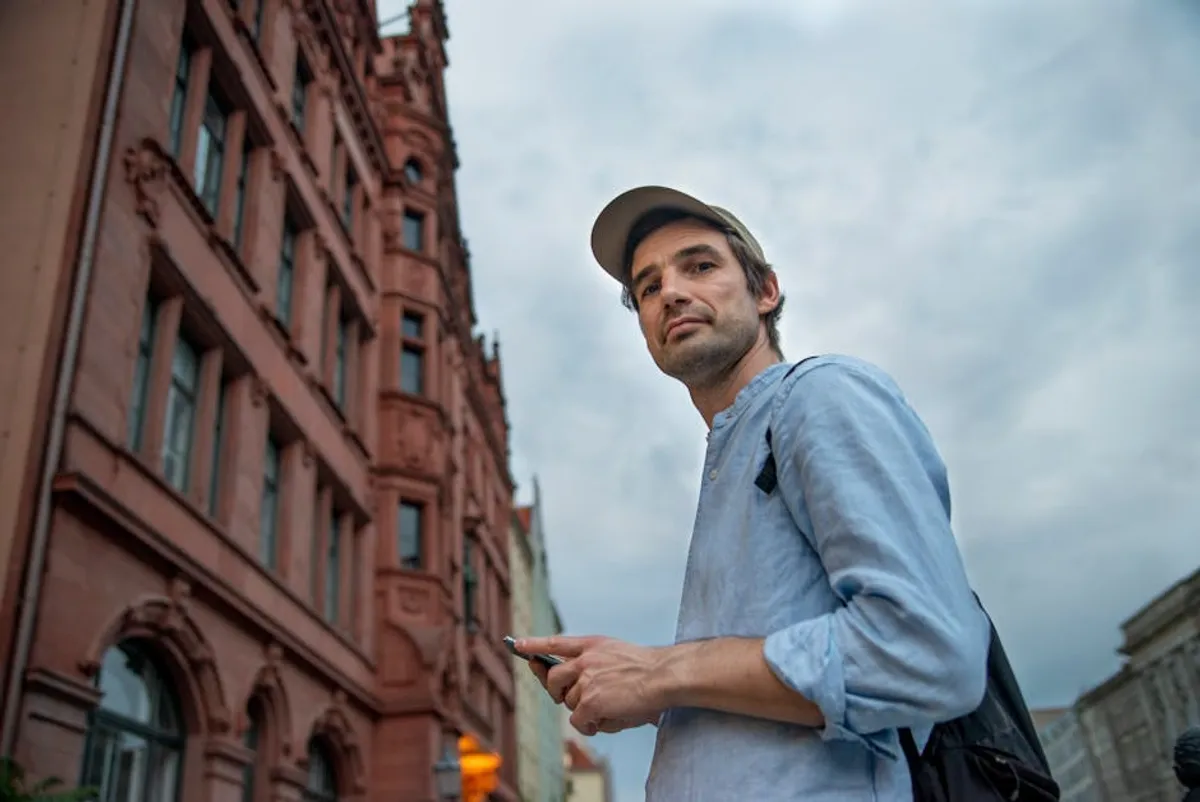
Understanding the trajectory of urban lifestyle trends is not merely an academic exercise; for brands, marketers, and content strategists, it’s a critical foresight mechanism. Berlin, a city renowned for its dynamic culture and early adoption of progressive movements, offers a particularly fertile ground for trend analysis. By 2026, the city’s unique blend of historical gravitas, artistic freedom, and technological innovation will coalesce into distinct lifestyle patterns that dictate consumer behavior, market demand, and communication efficacy. Identifying these shifts early allows businesses to align product development, refine messaging, and optimize distribution channels, ensuring relevance and capturing market share in a competitive landscape. Understanding these shifts will be key for anyone wanting to engage with Berlin's vibrant cultural landscape.
Evolving Urban Sustainability: From Niche to Mainstream
Berlin's commitment to sustainability is deepening, moving beyond individual eco-conscious choices to systemic integration across urban planning, retail, and public services. By 2026, this will manifest as a pervasive expectation rather than a niche preference, influencing purchasing decisions and brand loyalty significantly.
Circular Economy Integration in Retail and Services
The concept of a circular economy, where resources are kept in use for as long as possible, extracting maximum value, then recovered and regenerated, will be a cornerstone of Berlin's commercial landscape. This extends beyond recycling to encompass design for longevity, repairability, and material reuse. Businesses that facilitate this model will gain a distinct advantage. For instance, fashion brands offering repair services or take-back programs for garment recycling will resonate strongly. Furniture and electronics retailers providing rental options or certified refurbished products will tap into a growing segment of consumers prioritizing access over ownership and waste reduction. Content strategies should highlight product lifecycles, material sourcing, and end-of-life solutions, demonstrating tangible environmental contributions.
Hyper-Local Sourcing and Green Tech Adoption
The demand for locally sourced goods, particularly food, will intensify, driven by concerns about supply chain resilience and carbon footprints. Farmers' markets and local delivery platforms will thrive, but also expect to see an increase in urban farming initiatives and community-supported agriculture models. Concurrently, green technology, from smart home energy management systems to electric vehicle charging infrastructure and sustainable building materials, will see accelerated adoption. Businesses in these sectors must emphasize transparency in their supply chains and the measurable environmental benefits of their offerings. This includes detailed information on:
- Origin of raw materials and components.
- Energy consumption data for products and services.
- Certifications for sustainability and ethical labor practices.
- Contribution to local economies through employment and partnerships.
The Blended Lifestyle: Work, Leisure, and Community
The lines between work, leisure, and personal life will continue to blur in Berlin, fostering a "blended lifestyle" where flexibility and integration are paramount. This shift impacts everything from housing choices to social interaction patterns.
The Next Wave of Co-Living and Flexible Spaces
Co-living spaces, which offer shared amenities and community-focused environments, will evolve to cater to diverse demographics beyond just young professionals. Expect specialized co-living models for families, artists, or specific interest groups. Similarly, co-working spaces will integrate more wellness facilities, childcare options, and event programming, becoming true community hubs rather than just shared offices. For brands, this means targeting these micro-communities with tailored products and services, from subscription boxes for shared households to event sponsorships within co-working networks. Content should focus on convenience, community building, and work-life harmony.
Digital Culture and Hyper-Niche Social Engagement
While digital interaction remains central, there's a growing counter-trend towards hyper-niche, in-person social engagement. Berliners are seeking authentic connections within highly specific interest groups, from analog photography clubs to specialized culinary workshops or urban exploration collectives. Digital platforms will serve as discovery tools for these offline communities. Businesses can leverage this by facilitating or sponsoring such gatherings, creating exclusive experiences, or developing products that cater to these specific passions. Authenticity and genuine connection are key here; overt commercialization will be met with skepticism.
Pro Tip: When engaging with Berlin's hyper-niche communities, prioritize genuine participation and value contribution over direct sales pitches. Brands that authentically support community initiatives or offer unique, relevant experiences will build stronger, more sustainable relationships. Inauthentic approaches are quickly identified and can damage reputation.
Well-being Beyond Wellness: Holistic Health Approaches
The definition of well-being in Berlin is expanding beyond physical fitness to encompass mental resilience, emotional balance, and preventative health. By 2026, integrated approaches that address the whole person will be highly valued.
Personalized Nutrition and Preventative Tech
Dietary choices will become even more personalized, driven by individual health data, genetic insights, and ethical considerations. Expect a rise in services offering bespoke meal plans, microbiome testing, and supplements tailored to individual needs. Wearable technology will evolve to provide more actionable insights into sleep patterns, stress levels, and overall physiological markers, moving beyond simple step counting. Brands in the food, beverage, and tech sectors should focus on data-driven personalization, transparent ingredient sourcing, and verifiable health benefits. Content should educate consumers on how to interpret and act on their personal health data responsibly.
Mental Resilience and Urban Green Space Utilization
With the pressures of urban living, mental health support and stress reduction techniques will be in high demand. This includes mindfulness apps, therapy services, and community-based mental health initiatives. Berliners will increasingly seek out and utilize the city's green spaces—parks, urban gardens, and riverside areas—for relaxation, exercise, and social connection. Businesses can support this by promoting outdoor activities, developing products for urban nature exploration, or creating content that highlights the restorative power of green environments. Partnerships with local parks or wellness practitioners could offer unique engagement opportunities.
Rethinking Consumption: Experience Over Ownership
The desire for novel experiences and flexible access will continue to reshape consumption patterns, particularly among younger demographics. Ownership, especially of depreciating assets, is increasingly seen as a burden rather than a status symbol.
Subscription Models and Access Economy Growth
Subscription services will expand beyond media and software to encompass a wider range of physical goods and services. This includes fashion rentals, tool libraries, and even vehicle-sharing platforms. The "access economy" allows consumers to enjoy products without the commitment of ownership, aligning with both financial prudence and sustainable principles. Brands should explore subscription-based offerings or partnerships with access economy platforms. Content should emphasize convenience, variety, and the financial and environmental benefits of access over ownership.
Curated Experiences and Micro-Tourism
Travel and leisure will lean towards highly curated, authentic experiences, often within or very close to the city. "Micro-tourism" – exploring local neighborhoods, hidden gems, and unique cultural events – will gain traction. This caters to a desire for discovery without extensive travel and aligns with sustainability goals. Businesses in hospitality, arts, and entertainment should develop unique, immersive experiences that highlight Berlin's diverse cultural fabric, focusing on storytelling and local expertise. Promoting lesser-known areas and authentic local businesses can attract both residents and visitors seeking genuine engagement.
Preparing Your Brand for Berlin's Future Landscape
Navigating Berlin's evolving lifestyle trends requires agility and a deep understanding of consumer values. For businesses and content creators, the imperative is to integrate these insights into every facet of their strategy.
First, conduct regular audience research to track shifts in consumer sentiment and purchasing drivers. This moves beyond demographics to psychographics, understanding motivations, values, and aspirations. Second, audit your brand's current positioning and product offerings against these emerging trends. Identify areas where your brand can authentically align with sustainability, community, or well-being initiatives. Third, invest in content that educates, inspires, and offers practical solutions relevant to these trends. This includes thought leadership on circular economy practices, guides to urban green living, or features on local community initiatives. Finally, foster genuine partnerships with local organizations, artists, and community leaders. This not only builds credibility but also provides direct access to the pulse of Berlin's evolving lifestyle.
Frequently Asked Questions About Berlin Lifestyle Trends
Q1: How do these trends impact SEO strategy?
A1: SEO strategies must adapt by targeting long-tail keywords related to sustainable consumption, co-living, personalized wellness, and local experiences. Focus on creating authoritative content that answers specific user queries around ethical sourcing, repairability, and community engagement, improving visibility for informed consumers.
Q2: What's the biggest challenge for new businesses entering the Berlin market by 2026?
A2: The primary challenge will be establishing authenticity and demonstrating genuine value alignment with Berlin's progressive ethos, particularly around sustainability and community. Simply offering a product is not enough; businesses must articulate their contribution to the city's social and environmental fabric.
Q3: Where can businesses find reliable data on Berlin consumer behavior?
A3: Reliable data can be sourced from city economic development reports, studies by local universities focusing on urban sociology and consumer psychology, and market research firms specializing in European urban markets. Engaging directly with local community groups and cultural institutions also provides invaluable qualitative insights.
Q4: Are these trends unique to Berlin, or do they reflect broader European shifts?
A4: While Berlin often acts as an early adopter and amplifier due to its unique cultural context, many of these trends—such as the circular economy, blended lifestyles, and holistic well-being—are indicative of broader shifts occurring across major European cities. Berlin's distinctiveness lies in the speed and intensity of their integration.