
Visitors to Berlin encounter a food scene defined by its dynamic blend of historical tradition, global influences, and contemporary innovation. Navigating this culinary landscape requires understanding its core components, from iconic street food to Michelin-starred establishments, and recognizing the practicalities of dining in a city that values both efficiency and diverse cultural expression. This guide provides a framework for approaching Berlin's food offerings, highlighting key experiences and practical considerations to maximize your culinary exploration. To truly experience Berlin, consider exploring its vibrant food culture and nightlife in our comprehensive weekend guide.
Navigating Berlin's Culinary Landscape
Traditional German Fare Beyond the Stereotypes
Berlin's traditional food scene extends well beyond common perceptions, offering a robust foundation of hearty dishes and regional specialties. While Currywurst remains a quintessential Berlin street food—a pork sausage smothered in ketchup and curry powder, often served with fries—it represents only one facet. Döner Kebab, introduced by Turkish immigrants, has become an equally iconic and ubiquitous fast-food option, with Berlin often cited as its birthplace in Germany. For more substantial meals, look for establishments serving Schnitzel (breaded cutlets, typically pork or veal), Eisbein (pickled ham hock), or Königsberger Klopse (meatballs in a creamy caper sauce). These dishes are best experienced in traditional Kneipen (pubs) or Gasthäuser (guesthouses) that prioritize authentic preparation over modern interpretations. Identifying these local spots often involves observing patronage by Berliners themselves, signaling a commitment to quality and tradition.
The International Food Scene
Berlin's demographic diversity directly translates into a rich and varied international food scene. Specific neighborhoods have become renowned for particular cuisines. Kreuzberg, for instance, is a focal point for Turkish and Middle Eastern food, offering everything from bustling Döner shops to sophisticated mezze restaurants. The area around Kantstraße in Charlottenburg hosts a high concentration of excellent Vietnamese and pan-Asian eateries, known for fresh ingredients and innovative dishes. Prenzlauer Berg and Mitte feature a broader spectrum, including Italian, French, and upscale fusion restaurants. This global culinary presence means visitors can easily transition from authentic Ethiopian stews to refined Japanese omakase within a short distance, reflecting Berlin's status as a true melting pot. This diversity means you can easily find both authentic local dishes and modern spots that reflect Berlin's evolving culinary landscape.
Emerging Food Trends and Fine Dining
Beyond its traditional and international mainstays, Berlin is a hub for emerging food trends, particularly in plant-based dining and sustainable gastronomy. The city boasts one of the highest concentrations of vegan and vegetarian restaurants globally, ranging from casual cafes to upscale dining experiences. Many establishments emphasize organic, regional, and seasonal ingredients, often sourced from Brandenburg farms. For those seeking refined culinary experiences, Berlin has a growing number of Michelin-starred restaurants. These establishments push boundaries with innovative techniques and conceptual menus, frequently drawing inspiration from global flavors while maintaining a strong connection to local produce. Reservations are essential for these high-end venues, often weeks in advance.
Essential Food Experiences in Berlin
Street Food Markets and Food Halls
Berlin's street food culture is vibrant and serves as an accessible entry point into its diverse culinary offerings. Markthalle Neun in Kreuzberg is particularly famous for its "Street Food Thursday," a weekly event showcasing an array of international dishes from independent vendors. This market provides an excellent opportunity to sample a wide variety of cuisines in a lively atmosphere. Other notable street food gatherings include Bite Club, an outdoor food market often held along the Spree river, and various weekly markets in neighborhoods like Kollwitzplatz or Winterfeldtmarkt, which feature local produce alongside prepared foods. These venues are ideal for casual dining, offering a dynamic social experience alongside diverse food options.
Iconic Berlin Cafes and Bakeries
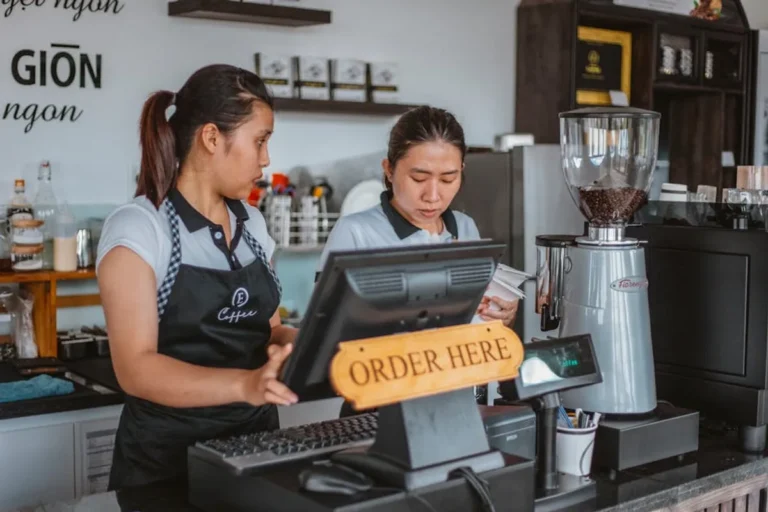
The "Kaffee und Kuchen" (coffee and cake) tradition is deeply ingrained in German culture, and Berlin offers countless cafes and bakeries that uphold this practice. From historic establishments with grand interiors to minimalist modern coffee shops, visitors can find a setting to suit any preference. Many cafes roast their own beans, ensuring high-quality coffee, while bakeries pride themselves on traditional German pastries like Käsekuchen (cheesecake), Apfelstrudel, and various seasonal fruit tarts. These spots are not just for dessert; they are central to daily life, providing spaces for work, socializing, and quiet reflection. Exploring different neighborhoods will reveal unique local favorites, each with its own character and specialties.
Craft Beer and Bar Culture
While Germany is synonymous with beer, Berlin's scene extends beyond traditional Pilsners and Weizens. The city has seen a significant rise in craft breweries and specialty beer bars, offering a wide selection of IPAs, stouts, sours, and other experimental brews. Many of these breweries operate their own taprooms, providing a direct experience with the brewing process and a chance to try exclusive releases. Beyond beer, Berlin's bar culture is equally diverse, ranging from classic cocktail bars with expert mixologists to quirky themed establishments and hidden speakeasies. These venues offer sophisticated drink menus and often serve as social hubs, reflecting the city's creative and nocturnal spirit.
Pro Tip: While card payments are increasingly accepted, many smaller cafes, street food vendors, and traditional pubs in Berlin still operate primarily on a cash-only basis. Always carry a small amount of Euros in cash to avoid inconvenience, particularly when exploring local markets or less tourist-centric areas.
Practical Tips for Eating Out in Berlin
Reservation Etiquette and Payment
For popular restaurants, especially those with high ratings or Michelin stars, making reservations well in advance is crucial. Online booking platforms are common, but a direct call or email can also be effective. In more casual settings, reservations are often unnecessary. Tipping in Germany is customary but typically more modest than in some other countries; rounding up to the nearest euro or leaving 5-10% for good service is standard. As noted, cash remains prevalent in many establishments, so be prepared.
Dietary Considerations
Berlin is exceptionally accommodating for various dietary needs. Vegetarian and vegan options are widely available, with many restaurants clearly marking dishes or offering dedicated plant-based menus. For allergies or specific dietary restrictions, it is advisable to communicate these clearly to your server. While English is widely spoken in tourist-heavy areas and larger restaurants, having a few key German phrases for allergies (e.g., "Ich bin allergisch gegen Nüsse" - "I am allergic to nuts") can be beneficial in smaller, local establishments.
Language and Ordering
Although English is commonly understood in tourist areas and by younger generations, making an effort with basic German phrases can enhance your dining experience and is often appreciated. Simple greetings, "Bitte" (please), "Danke" (thank you), and "Die Rechnung, bitte" (the bill, please) are helpful. Most menus will have English translations, but if not, staff are usually willing to assist. Do not hesitate to ask for recommendations; Berliners are often proud of their city's culinary offerings.
Maximizing Your Berlin Food Experience
To fully appreciate Berlin's culinary depth, approach it with an open mind and a willingness to explore beyond the obvious. Prioritize visiting at least one street food market to experience its dynamic energy and diverse offerings. Dedicate time to a traditional German meal in a local Kneipe to connect with the city's heritage. Embrace the international diversity by seeking out specific cuisines in their renowned neighborhoods. Finally, remember that Berlin's food scene is constantly evolving, so checking local food blogs or event listings can uncover temporary pop-ups, seasonal festivals, or new restaurant openings that might coincide with your visit. Your most memorable meals will often be found by stepping slightly off the main tourist paths.
Frequently Asked Questions
Is Berlin good for vegetarians and vegans?
Yes, Berlin is widely considered one of the best cities in the world for vegetarian and vegan dining, with an abundance of dedicated restaurants and plant-based options across all cuisine types.
What's the typical cost of a meal in Berlin?
Meal costs vary significantly: a street food item might be €4-€8, a casual restaurant meal €12-€25, and a fine dining experience can range from €60 to well over €150 per person, excluding drinks.
Do I need to tip in Berlin restaurants?
Tipping is customary but not obligatory. For good service, rounding up the bill or adding 5-10% is generally sufficient. For exceptional service, 10-15% is generous.
What are some key food neighborhoods to explore?
Kreuzberg is excellent for Turkish and Middle Eastern food, Markthalle Neun, and general street food. Prenzlauer Berg offers a mix of cafes, international cuisine, and upscale dining. Mitte has a concentration of fine dining and trendy spots. Charlottenburg is known for its Asian restaurants and more traditional German eateries.