Berlin's urban fabric is a living document of European history, bearing witness to imperial grandeur, the rise and fall of totalitarian regimes, and a city divided and reunited. For any visitor aiming to move beyond superficial tourism and engage directly with the city's profound past, understanding which historical sites offer the most critical insights is essential. These locations are not merely landmarks; they are tangible connections to pivotal events that shaped the 20th century and continue to influence contemporary Germany.
Witnessing Imperial Grandeur and Weimar Resilience
Berlin's historical narrative begins long before its 20th-century upheavals. The city served as the capital of Prussia and later the German Empire, leaving behind architectural and cultural legacies that speak to its earlier power. Understanding this foundation provides critical context for subsequent events.
Brandenburg Gate (Brandenburger Tor)
More than just an iconic photo opportunity, the Brandenburg Gate has functioned as a symbol of shifting political fortunes for over two centuries. Erected in the late 18th century as a city gate, it witnessed Napoleon's victory parade, stood as a symbol of imperial Germany, became a Nazi emblem, and famously served as a backdrop for Cold War division, with the Berlin Wall running directly beside it. Its post-1989 role as a symbol of German reunification is perhaps its most resonant. Visitors should approach it not just as an archway, but as a silent observer of history's turning points.
Significance: A primary national symbol representing unity, division, and historical transitions.
Reichstag Building
The seat of the German parliament, the Reichstag Building combines historical weight with striking modern architecture. Its original construction (completed 1894) reflected imperial aspirations, and its burning in 1933 was a pivotal event used by the Nazis to consolidate power. Heavily damaged in World War II, it lay derelict for decades before its dramatic glass dome and contemporary redesign by Norman Foster transformed it into a symbol of transparent democracy. Visitors can ascend the dome for panoramic views of the city and a direct look into the parliamentary chamber below, symbolizing public oversight.
Best for: Architectural enthusiasts and those interested in Germany's democratic institutions. Advance online registration is mandatory due to high demand.
Museum Island (Museumsinsel)
A UNESCO World Heritage site, Museum Island is a complex of five world-renowned museums, each a testament to different facets of human history and artistic achievement. While not a single "history spot" in the traditional sense, the island itself represents Berlin's ambition as a cultural and intellectual capital, particularly during the Prussian and Imperial eras. The Pergamon Museum, Neues Museum (home to the bust of Nefertiti), and Altes Museum offer collections spanning antiquity to the 19th century, providing a deep dive into the broader historical and artistic currents that shaped Europe.
Value: Offers a comprehensive cultural and historical overview spanning millennia, housed in architecturally significant buildings.
Confronting the Nazi Era and World War II's Scars
Berlin's role as the capital of Nazi Germany and a primary target during World War II means that many sites confront visitors with the darkest chapters of the 20th century. These locations are designed for remembrance, education, and reflection.
Memorial to the Murdered Jews of Europe (Holocaust Memorial)
This sprawling, abstract memorial consists of 2,711 concrete stelae of varying heights, arranged in a grid pattern on a sloping field. Designed by Peter Eisenman, it evokes a sense of disorientation and unease, prompting individual reflection on the scale and horror of the Holocaust. An underground information center provides crucial context, personal testimonies, and details about the victims and perpetrators. It is a powerful, somber experience, not merely a photo opportunity.
Impact: Designed for profound personal reflection; the information center provides essential historical context.
Topography of Terror
Located on the former grounds of the Gestapo headquarters, SS command, and Reich Security Main Office, the Topography of Terror is an outdoor and indoor exhibition that meticulously documents the machinery of Nazi terror. The partially excavated cellar walls of the former Gestapo prison are visible, providing a chilling physical connection to the past. The exhibition uses extensive photographic and textual evidence to explain the Nazi regime's crimes, its institutions, and the individuals involved. Its direct location on the historical site makes it particularly impactful.
Crucial for: Detailed understanding of the Nazi regime's apparatus of repression. Allows direct engagement with a primary historical location.
Tracing the Cold War Divide and Reunification
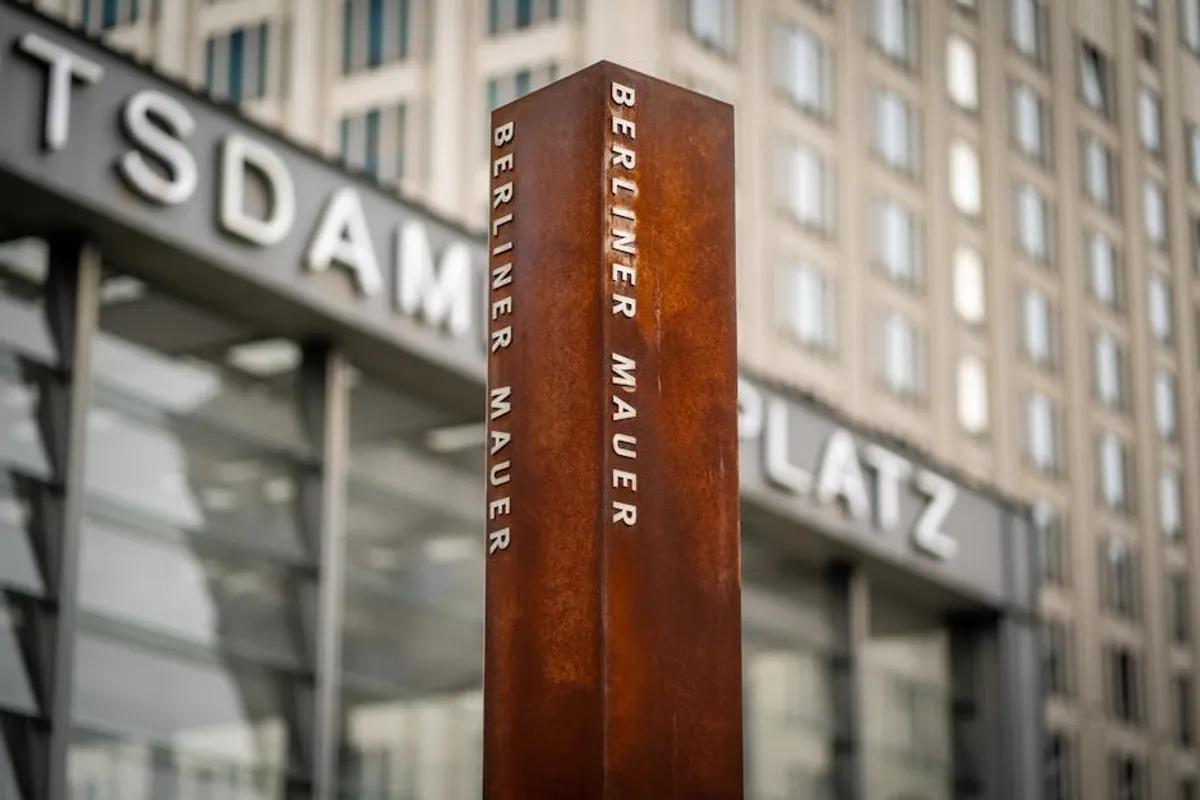
After World War II, Berlin became the focal point of the Cold War, physically divided for nearly three decades. Sites related to the Berlin Wall and the division offer insights into the ideological conflict and the human cost of a fractured city.
Berlin Wall Memorial (Gedenkstätte Berliner Mauer)
The most comprehensive memorial to the Berlin Wall, located on Bernauer Straße, preserves a 220-meter section of the original Wall, complete with watchtower, "death strip," and border fortifications. Unlike the East Side Gallery, this site focuses on the historical reality and human tragedy of the division. An outdoor exhibition, documentation center, and observation tower provide detailed accounts of escape attempts, border guard actions, and the daily impact on residents. It offers the most authentic and educational experience of the Wall's physical presence.
Essential for: A deep, authentic understanding of the Berlin Wall's construction, impact, and fall.
Checkpoint Charlie
The most famous border crossing between East and West Berlin, Checkpoint Charlie became a symbol of Cold War tensions. While the original guardhouse is now in a museum, a replica stands at the site, often flanked by actors in military uniforms. The adjacent Mauermuseum (Wall Museum) documents escape attempts and the ingenuity used to cross the border. While often crowded and commercialized, its historical significance as a flashpoint between superpowers remains undeniable.
Historical context: Represents the stark division and potential for conflict during the Cold War.
East Side Gallery
The longest open-air gallery in the world, the East Side Gallery is a 1.3-kilometer section of the former Berlin Wall, covered with over 100 murals by artists from around the globe. Painted in 1990 after the Wall fell, these artworks reflect the joy of reunification, political commentary, and calls for freedom. It's a vibrant, artistic memorial, contrasting sharply with the somber reality of other Wall sites, showcasing the spirit of liberation and artistic expression.
Unique perspective: Offers an artistic and celebratory view of the Wall's fall and the spirit of freedom.
Pro Tip: Many of Berlin's most significant historical sites, particularly those involving indoor exhibitions or guided tours (like the Reichstag dome or the Stasi Prison Memorial), require advance booking. Check official websites well ahead of your visit to secure slots, as popular times often sell out weeks in advance. Spontaneous visits to these specific locations are frequently not possible.
Beyond the Mainstream: Deeper Dives
For visitors with more time or a specific interest, several other sites offer equally profound historical experiences:
- Gedenkstätte Berlin-Hohenschönhausen (Stasi Prison Memorial): This former East German secret police (Stasi) interrogation prison offers chilling insights into political oppression. Guided tours, often led by former inmates, provide harrowing first-hand accounts.
- Charlottenburg Palace: Berlin's largest and most opulent palace, showcasing the grandeur of the Prussian monarchy. Its extensive gardens and museum collections offer a glimpse into royal life and art history.
- German Historical Museum (Deutsches Historisches Museum): Located in the Zeughaus (arsenal), this museum provides a comprehensive overview of German history from its origins to the present day, with extensive permanent and temporary exhibitions.
Engaging with Berlin's Layers of History
Berlin's historical sites are not isolated points of interest; they are interconnected narratives that collectively tell the story of a city and a nation grappling with its past. Engaging with these locations requires time, an open mind, and a willingness to confront challenging truths. By prioritizing these key spots, visitors gain a nuanced understanding of Berlin's resilience, its capacity for both profound darkness and remarkable renewal, and its enduring significance on the global stage. Each visit contributes to a deeper appreciation of how history continues to shape the present.
Frequently Asked Questions
How much time should I allocate for visiting these historical sites?
For major sites like the Topography of Terror or the Berlin Wall Memorial, plan at least 2-3 hours each to fully absorb the exhibitions and information. Museum Island can easily consume a full day if you intend to visit multiple museums. Other sites like the Brandenburg Gate are quicker photo stops but gain depth with a longer reflection.
Are most of Berlin's historical sites free to enter?
Many significant outdoor memorials, such as the Brandenburg Gate, the Memorial to the Murdered Jews of Europe, the East Side Gallery, and the outdoor exhibitions at the Berlin Wall Memorial and Topography of Terror, are free to access. Museums and some specific tours (e.g., Stasi Prison Memorial) typically charge an entrance fee.
What is the best way to travel between historical locations in Berlin?
Berlin has an efficient public transport system (U-Bahn, S-Bahn, tram, bus). Many historical sites are centrally located and accessible via short walks or quick public transport connections. Consider purchasing a Berlin WelcomeCard for unlimited travel and discounts on attractions.
Are these sites suitable for children?
While many sites offer educational value, some, particularly the Holocaust Memorial, Topography of Terror, and Stasi Prison Memorial, deal with very sensitive and disturbing content. Parental discretion is advised, and it's recommended to prepare younger visitors for the themes they will encounter.