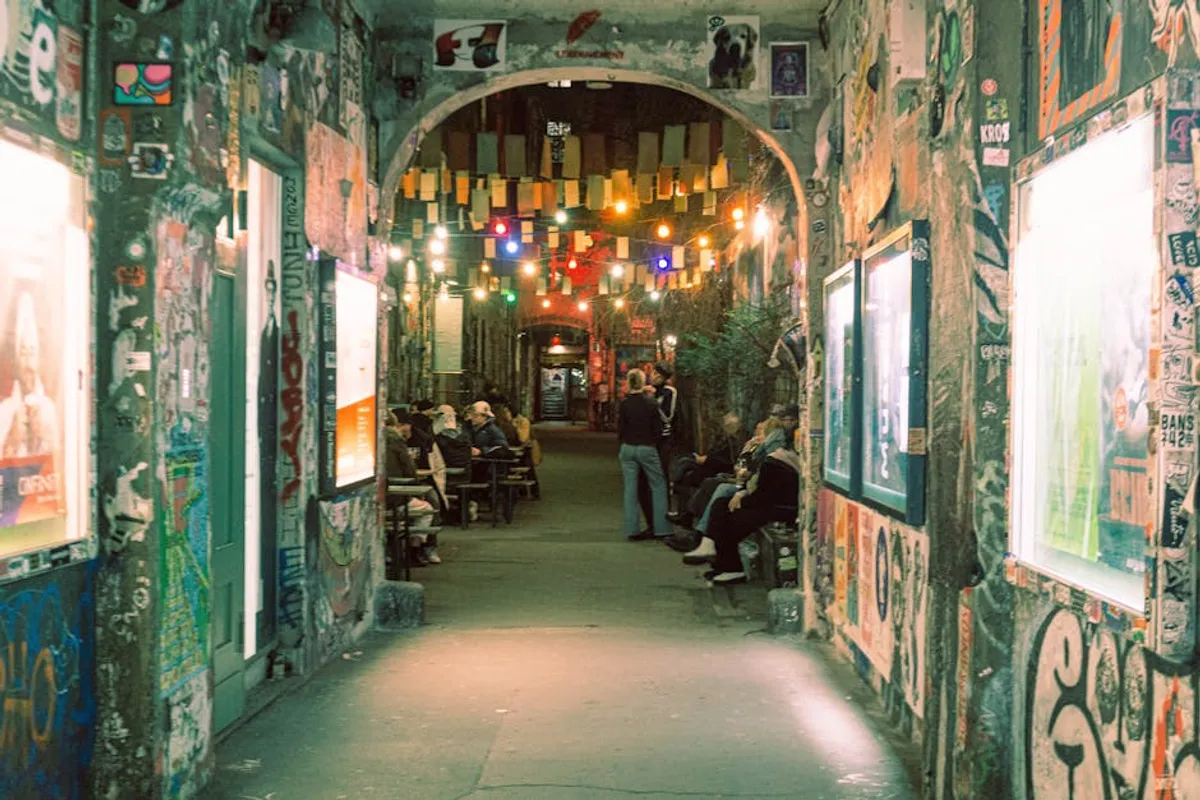
Berlin's nightlife scene presents a unique challenge for new visitors: its legendary status is matched only by its often-unspoken rules and diverse offerings. Navigating this landscape effectively requires more than just knowing where the clubs are; it demands an understanding of district-specific vibes, entry protocols, and local customs. This guide provides the essential framework for first-time explorers, focusing on practical insights to maximize your experience and avoid common missteps, ensuring your nights out are as memorable as they are smooth.
Understanding Berlin's Nightlife Zones
Berlin's nightlife is geographically segmented, with each district cultivating a distinct atmosphere. Understanding these divisions is crucial for aligning your expectations with the venue's reality.
Mitte & Prenzlauer Berg: Upscale Bars and Cocktails
These districts cater to a more refined clientele, featuring elegant cocktail bars, wine bars, and establishments focused on craft beers and sophisticated dining. The energy here is generally more subdued, favoring conversation over high-volume music. Expect higher price points for drinks and a dress code that leans towards smart casual. This area is suitable for those seeking a relaxed evening, quality drinks, and a chance to socialize without the intensity of a club environment.
Best for: Pre-dinner drinks, sophisticated evenings, quiet conversations, craft cocktails.
Kreuzberg & Neukölln: Alternative and Underground Venues
Known for their bohemian and counter-cultural roots, Kreuzberg and Neukölln offer a grittier, more authentic Berlin experience. Here, you'll find an abundance of dive bars, experimental music venues, and art spaces that transform into late-night hangouts. The atmosphere is unpretentious, often raw, and highly diverse, attracting a younger, more eclectic crowd. Entry is typically easier, and prices are generally lower than in Mitte. This area is ideal for those seeking an alternative vibe, live indie music, or simply a casual, late-night bar crawl.
Best for: Dive bars, live music (non-electronic), alternative scenes, budget-friendly options.
Friedrichshain: Clubbing Epicenter
Friedrichshain is synonymous with Berlin's global reputation for electronic music clubs. This district hosts many of the city's most famous and influential techno and house venues, often housed in repurposed industrial buildings. The focus is overwhelmingly on the music and dance floor experience, with parties frequently extending through the entire weekend. Expect long queues, strict door policies, and an immersive, high-energy environment. Dress codes are typically casual, favoring comfort and individuality over formal attire. This area is the primary destination for serious club-goers and electronic music enthusiasts.
Best for: Techno and house clubs, extended dance parties, immersive electronic music experiences.
Navigating Entry and Door Policies
Gaining entry to Berlin's most sought-after clubs can be a significant hurdle for new visitors. The process is often subjective and lacks transparent rules, making preparation key.
The "Berghain" Factor: Dress Code and Attitude
While often exaggerated, the door policy at iconic clubs like Berghain exemplifies a broader trend across Berlin's club scene: bouncers prioritize attitude and presentation over explicit dress codes. They seek individuals who appear relaxed, authentic, and genuinely interested in the music and atmosphere, rather than those simply seeking a tourist experience. Avoid large, boisterous groups, overly formal attire, or appearing visibly intoxicated. A calm, respectful demeanor, often with a simple, understated outfit, typically yields better results. Speaking German at the door, even a few phrases, can sometimes be perceived positively, but is not a requirement.
General Entry Tips: Cash, ID, and Group Size
Always carry a valid photo ID (passport or national ID card) as proof of age, as many venues enforce strict 18+ or 21+ policies. Entry fees are almost exclusively cash-only, ranging from €10 to €30, depending on the venue and event. Ensure you have sufficient euros on hand. Arriving in smaller groups (two to four people) is generally advisable, as large groups can appear disruptive and are often turned away. Queueing patiently and quietly, without excessive phone use or loud conversations, also contributes to a positive impression. Avoid attempting entry when heavily intoxicated; bouncers routinely deny access based on perceived sobriety.
Pro Tip: Many smaller bars and even some clubs in Berlin operate on a cash-only basis, especially for entry fees or late-night drinks. Always carry a sufficient amount of euros to avoid unexpected issues at the door or bar. Relying solely on card payments can severely limit your options, particularly in underground or less commercial venues.
Key Nightlife Experiences
Beyond the district-specific generalities, Berlin offers distinct types of nightlife experiences.
Electronic Music Clubs: Techno and House Dominance
Berlin's electronic music scene is world-renowned. Clubs are characterized by powerful sound systems, minimalist aesthetics, and extended opening hours, often from Friday night through Monday morning. The focus is on the DJ and the communal experience of dancing. Expect dark rooms, intense lighting, and a crowd deeply immersed in the music. These venues often have multiple floors, each with a different sound or DJ. The atmosphere is generally inclusive, provided visitors respect the space and fellow club-goers.
Live Music Venues: Jazz, Rock, and Indie Scenes
While electronic music dominates, Berlin also boasts a vibrant live music scene. From intimate jazz cellars in Schöneberg to rock clubs in Kreuzberg and indie venues across Neukölln, there are options for diverse musical tastes. These venues often have more traditional opening hours and a focus on performance rather than continuous dancing. Check local listings for specific acts and booking information, as popular shows can sell out quickly. The experience is often more about appreciating the artistry and less about the late-night party.
Unique Bar Concepts: Speakeasies and Themed Establishments
Berlin excels in creative bar concepts. Hidden speakeasies, often requiring reservations or knowledge of a secret entrance, offer expertly crafted cocktails in intimate settings. Themed bars range from retro 80s lounges to establishments designed like old pharmacies or libraries, providing a distinct atmosphere. These venues prioritize the drinking experience and ambiance, making them excellent choices for a memorable evening that doesn't necessarily involve dancing.
- Speakeasies: Focus on intricate cocktail menus, often with a historical or esoteric theme.
- Themed Bars: Offer immersive environments, sometimes with specific dress codes or interactive elements.
- Rooftop Bars: Provide panoramic city views, popular during warmer months for sunset drinks.
- Beer Gardens (Biergärten): Traditional outdoor spaces, ideal for casual group gatherings, especially in summer.
Practical Considerations for a Safe Night Out
Ensuring a safe and enjoyable experience requires awareness of local logistics and etiquette.
Transportation: U-Bahn, S-Bahn, and Taxis
Berlin's public transport system (U-Bahn, S-Bahn, trams, and buses) operates extensively throughout the night, particularly on weekends. Night buses and specific U-Bahn lines run 24/7 on Friday and Saturday nights. Always purchase and validate your ticket before boarding to avoid fines. For late-night returns, taxis and ride-sharing services are readily available, though more expensive. Pre-booking a taxi or confirming the fare before starting a journey is advisable, especially from less central locations.
Local Customs and Etiquette: Tipping and Personal Space
Tipping in bars is customary but not mandatory, typically rounding up the bill or adding 5-10% for good service. In clubs, direct tipping is less common, but acknowledging good service at the bar is appreciated. Respect personal space, particularly on crowded dance floors. Berliners generally value a relaxed, non-confrontational atmosphere. Avoid excessive noise or public drunkenness, which can draw negative attention. Photography is often discouraged or prohibited inside clubs to preserve the atmosphere and privacy of patrons; always check for posted signs.
Staying Safe: Drinks, Belongings, and Buddy System
Always keep an eye on your drink, and never accept drinks from strangers. Be mindful of your belongings, especially in crowded venues; pickpocketing can occur. Utilize cloakrooms for coats and bags when available. If you're out with friends, establish a meeting point and regularly check in with each other. If you feel unwell or unsafe, seek assistance from bar staff or security personnel. Solo travelers should inform someone of their plans and consider sticking to well-lit, populated areas when moving between venues.
Maximizing Your Berlin Nightlife Experience
Berlin's nightlife is an expansive and rewarding aspect of the city, provided you approach it with an informed perspective. Researching specific venues or events beforehand can enhance your experience, but also embrace spontaneity; some of the best nights are found by simply exploring. Be open to different social dynamics, from intense dance floors to intimate conversations. Prioritize safety and respect local customs. By understanding the distinct character of each district and preparing for the unique entry rituals, new visitors can confidently immerse themselves in one of the world's most dynamic nocturnal landscapes, moving beyond basic tourism to genuine cultural engagement.
Frequently Asked Questions
What's the typical age limit for clubs in Berlin?
Most clubs in Berlin enforce an 18+ age limit, though some more exclusive venues might occasionally prefer a slightly older crowd, effectively making it 21+. Always carry a valid ID.
Do I need to book tickets in advance for clubs?
For most major electronic music clubs, tickets are typically purchased at the door. However, for special events, concerts, or smaller live music venues, advance ticket purchase online is often recommended or required to guarantee entry.
Is it common to pay by card in Berlin clubs and bars?
While larger, more modern bars and some clubs accept card payments, many smaller, independent, or underground venues operate on a cash-only basis, especially for entry fees and sometimes for drinks. Always carry sufficient euros.
What's the best way to get home late at night?
On weekends (Friday and Saturday nights), Berlin's U-Bahn and S-Bahn run 24/7. During weekdays, night buses cover extensive routes after the U-Bahn and S-Bahn cease operation around 1 AM. Taxis and ride-sharing apps are also readily available, though at a higher cost.