Berlin's urban landscape is a mosaic of distinct neighborhoods, each offering a unique blend of cultural experiences, culinary delights, and nocturnal adventures. For visitors planning a trip, or even residents seeking new local exploration, identifying the right district is crucial for tailoring an itinerary that aligns with specific interests in art, food, or nightlife. This guide breaks down the defining characteristics of Berlin's most prominent neighborhoods, providing a clear framework for selecting an area that best suits your desired experience, whether you prioritize avant-garde galleries, Michelin-starred dining, or pulsating club scenes. This guide breaks down the defining characteristics of Berlin's most prominent neighborhoods, providing a clear framework for selecting an area that best suits your desired experience, whether you prioritize avant-garde galle and vibrant cultural scenes.
How to Choose Your Berlin Neighborhood
Selecting the ideal Berlin neighborhood requires a clear understanding of your primary interests and travel style. Consider whether your trip is centered on deep dives into art history, culinary exploration, or late-night entertainment. Budget considerations also play a role, as some districts feature more upscale accommodations and dining options than others. Evaluate the desired atmosphere: do you prefer historic elegance, bohemian grit, family-friendly calm, or an edgy, alternative vibe? Proximity to public transport is another practical aspect, ensuring efficient access to broader city attractions. For shorter stays, focusing on a single, well-connected area might be more efficient, while longer visits allow for more diverse exploration across multiple districts.
1. Mitte
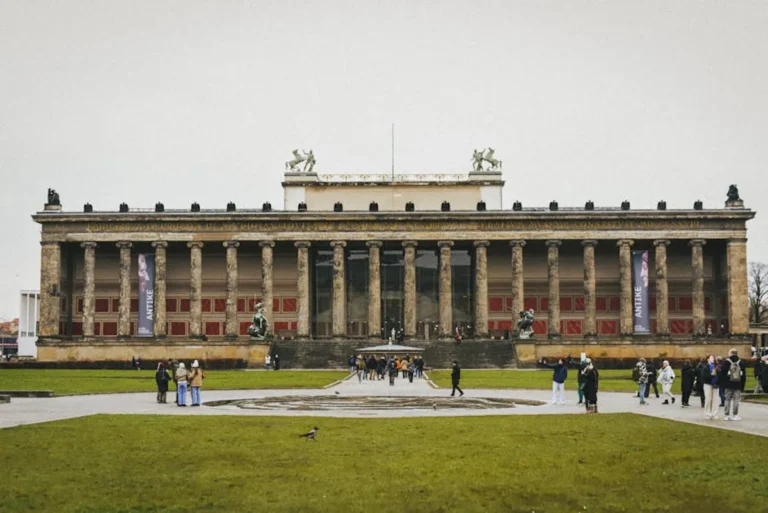
Mitte, meaning "middle," is Berlin's historical and geographical heart, housing iconic landmarks like the Brandenburg Gate and Museum Island. This district serves as a central hub for high culture, governmental institutions, and upscale commercial activity. Its art scene is dominated by world-class museums and established galleries, while dining options range from traditional German fare to contemporary fine dining. Nightlife here tends to be more sophisticated, with cocktail bars and lounges rather than sprawling club complexes.
Best for: First-time visitors, history buffs, art museum enthusiasts, business travelers, upscale dining experiences, and those seeking refined evening entertainment.
Pros:
- Unparalleled access to major historical sites and renowned museums.
- Diverse and high-quality dining options, including several Michelin-starred restaurants.
- Excellent public transport connectivity to all parts of the city.
- Clean, well-maintained streets and a generally polished aesthetic.
Cons:
- Can feel touristy and less "authentic" compared to other districts.
- Accommodation and dining costs are generally higher.
- Nightlife is more subdued, lacking the raw, underground club scene.
- Weekends can be crowded with tour groups.
Verdict: Mitte offers a comprehensive, albeit polished, introduction to Berlin, ideal for those who prioritize historical immersion, cultural institutions, and convenient access, with a preference for sophisticated dining and calmer evenings.
2. Prenzlauer Berg
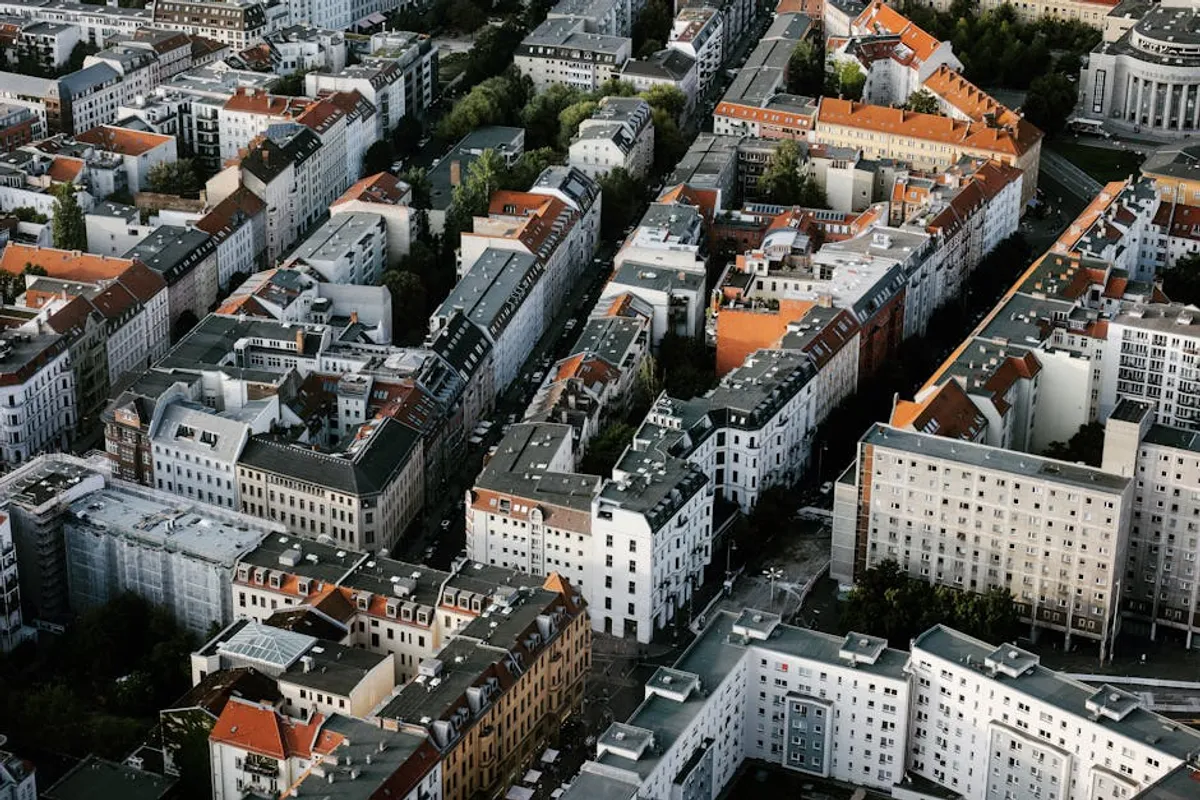
Once a bohemian stronghold, Prenzlauer Berg has undergone significant gentrification, transforming into one of Berlin's most attractive and family-friendly neighborhoods. It's characterized by beautifully restored Altbau (old buildings), tree-lined streets, and a relaxed, affluent atmosphere. The art scene here is more focused on independent galleries and craft shops, while its food landscape is rich with organic cafes, international bistros, and brunch spots. Nightlife leans towards cozy bars, wine bars, and local pubs, rather than large clubs.
Best for: Families, couples, those seeking a relaxed yet vibrant atmosphere, brunch enthusiasts, and visitors interested in independent boutiques and local cafes.
Pros:
- Charming architecture and a pleasant, upscale residential feel.
- Abundance of quality cafes, bakeries, and international restaurants.
- Numerous green spaces and playgrounds, making it ideal for families.
- Good public transport links, though slightly less central than Mitte.
Cons:
- Can feel less edgy or "alternative" than other Berlin districts.
- Accommodation can be expensive, reflecting its desirability.
- Limited options for large-scale clubbing or late-night parties.
- Some areas lack the historical density of Mitte or the raw energy of Kreuzberg.
Verdict: Prenzlauer Berg delivers a curated, comfortable Berlin experience, excelling in culinary variety and a relaxed social scene, making it suitable for those who value aesthetics, family-friendly amenities, and a quieter evening ambiance.
3. Kreuzberg
Kreuzberg embodies Berlin's counter-cultural spirit, known for its vibrant diversity, street art, and a history of activism. Divided into West (Bergmannkiez, Graefekiez) and East (SO36), it offers distinct experiences. The art here is often found on walls, in independent project spaces, and smaller galleries. Its food scene is a melting pot, particularly famed for Turkish cuisine, alongside experimental eateries and vegan options. Nightlife is robust, with countless bars, live music venues, and some legendary clubs. Nightlife is robust, with countless bars, live music venues, and some legendary clubs, making Kreuzberg's vibrant nightlife a major draw for many.
Best for: Art enthusiasts seeking street art and alternative spaces, foodies exploring diverse international cuisine, and those looking for lively bars and a gritty, authentic Berlin vibe.
Pros:
- Rich cultural diversity reflected in its food, art, and population.
- Exceptional and affordable international dining, especially Turkish and Vietnamese.
- Dynamic nightlife with numerous bars, pubs, and live music venues.
- Strong sense of community and a distinct, alternative atmosphere.
Cons:
- Can be noisy and crowded, particularly on weekends.
- Some areas may feel less polished or more rough around the edges.
- Public transport can be less direct for some specific locations within the district.
- Not all areas are equally well-maintained or aesthetically pleasing.
Verdict: Kreuzberg offers an immersive, energetic Berlin experience, appealing to those who embrace diversity, seek vibrant street culture, and prioritize a dynamic culinary landscape alongside a robust bar scene.
4. Friedrichshain
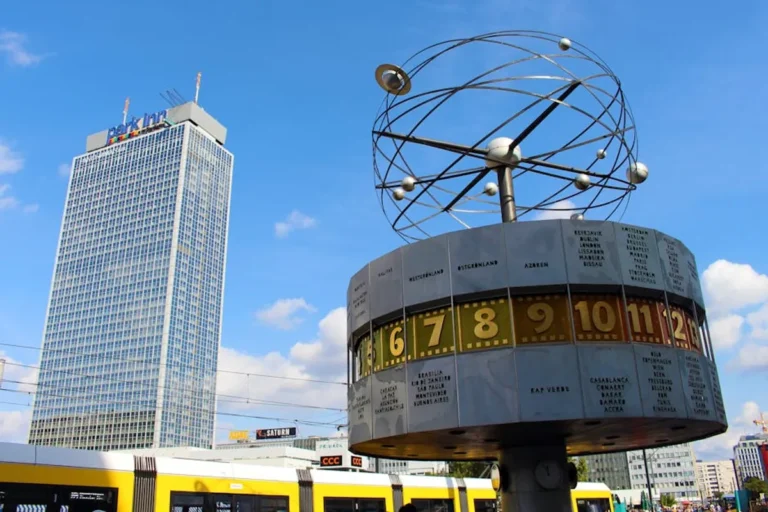
Located in former East Berlin, Friedrichshain has evolved from a working-class district into a hub for nightlife and alternative culture. It's home to the East Side Gallery and numerous historical buildings, often adorned with street art. The food scene is varied, with a strong presence of vegan and international options, alongside traditional German pubs. Friedrichshain is arguably Berlin's nightlife epicenter, boasting some of the world's most famous techno clubs, alongside a multitude of bars and smaller venues.
Best for: Clubbers, backpackers, street art enthusiasts, budget travelers, and those seeking an energetic, youthful, and alternative atmosphere.
Pros:
- Unrivaled nightlife, including world-renowned techno clubs.
- Rich street art presence, particularly along the East Side Gallery.
- Diverse and often affordable food options, with many vegan choices.
- Excellent public transport links, especially S-Bahn and U-Bahn connections.
Cons:
- Can be very busy and loud, especially on weekends.
- Some areas are still undergoing development, leading to construction.
- Accommodation options can range widely in quality and price.
- Less emphasis on traditional art galleries or high-end dining.
Verdict: Friedrichshain is the quintessential choice for those prioritizing Berlin's legendary club scene and street culture, offering a high-energy environment with diverse, accessible dining options.
5. Neukölln
Neukölln has rapidly transformed into one of Berlin's trendiest districts, known for its artistic community, international population, and burgeoning culinary scene. It balances gritty urban charm with gentrified pockets, particularly around Weserstraße. The art scene is characterized by numerous independent project spaces, studios, and pop-up galleries. Food options are incredibly diverse, from Middle Eastern bakeries to avant-garde restaurants. Nightlife thrives with a dense concentration of independent bars, cocktail lounges, and smaller music venues.
Best for: Artists, young professionals, food adventurers, bar hoppers, and those seeking an authentic, rapidly evolving, and slightly edgy Berlin experience.
Pros:
- Vibrant and evolving arts and cultural scene with many independent initiatives.
- Exceptional diversity in food, offering everything from street food to innovative dining.
- High concentration of unique and stylish bars, often more intimate than club districts.
- More affordable accommodation and living costs compared to central districts.
Cons:
- Some areas can feel unpolished or less aesthetically appealing.
- Public transport connections can be less direct in certain parts of the district.
- Rapid gentrification leads to ongoing changes in local character.
- Not ideal for those seeking a quiet, pristine environment.
Verdict: Neukölln offers a dynamic and authentic Berlin experience, perfect for those who appreciate emerging art, diverse cuisine, and a lively, independent bar scene, embracing its evolving, slightly raw character.
6. Charlottenburg
Located in former West Berlin, Charlottenburg represents a more elegant and affluent side of the city. It's historically significant, home to Charlottenburg Palace and the upscale Kurfürstendamm shopping boulevard. The art scene includes established galleries, major cultural institutions like the Deutsche Oper, and the Museum Berggruen. Dining here is often sophisticated, featuring classic European restaurants and fine dining establishments. Nightlife tends towards refined cocktail bars, theater visits, and classical music performances.
Best for: Luxury shoppers, classical music and opera lovers, those seeking upscale dining, and visitors who prefer a more refined, quiet, and historically grand atmosphere.
Pros:
- Elegant architecture, wide boulevards, and a sense of old-world grandeur.
- Home to high-end shopping, luxury boutiques, and department stores.
- Excellent fine dining options and traditional European restaurants.
- Quieter and generally safer environment compared to more central, bustling districts.
Cons:
- Can feel less "Berlin" to those seeking the city's alternative or edgy vibe.
- Limited options for techno clubs or underground nightlife.
- Accommodation and dining are typically more expensive.
- Can feel less vibrant or youthful than districts like Neukölln or Friedrichshain.
Verdict: Charlottenburg caters to those who prioritize sophistication, historical elegance, high culture, and upscale amenities, offering a refined Berlin experience distinct from the city's more bohemian or club-centric areas.
7. Schöneberg
Schöneberg is a diverse and historic district known for its significant LGBTQ+ community, charming residential streets, and local markets. It offers a blend of classic Berlin architecture and a relaxed, neighborhood feel. The art scene includes smaller galleries and cultural centers, often with a community focus. Its food landscape is varied, from traditional German eateries to international restaurants, particularly around Winterfeldtplatz. Nightlife is centered on a vibrant gay bar scene, cozy pubs, and some cabaret venues.
Best for: LGBTQ+ travelers, those seeking a local residential feel, market enthusiasts, and visitors interested in a relaxed yet culturally rich atmosphere with good dining options.
Pros:
- Strong sense of community and welcoming atmosphere, particularly for the LGBTQ+ community.
- Home to vibrant local markets like Winterfeldtplatz, offering fresh produce and street food.
- Diverse dining options, often more traditional or locally focused.
- Good public transport connections to central areas.
Cons:
- Less prominent in terms of major art institutions or world-famous clubs.
- Can feel less "touristy" which might be a con for some first-time visitors.
- Nightlife, while lively, is more specialized and less broadly appealing than Friedrichshain.
- Some areas can be very residential, with fewer immediate attractions.
Verdict: Schöneberg provides a genuine, community-driven Berlin experience, ideal for those who value local charm, diverse culinary offerings, and a welcoming, inclusive nightlife, particularly within the LGBTQ+ scene.
8. Wedding
Wedding, located north of Mitte, is one of Berlin's most authentic and diverse working-class districts, currently undergoing a slow but noticeable transformation. It retains a raw, unpolished charm, offering a glimpse into everyday Berlin life. The art scene is emerging, with new artist studios and project spaces taking root in former industrial buildings. Food options are predominantly international and affordable, with a strong emphasis on Turkish, Arabic, and African cuisines. Nightlife is local, consisting of traditional corner pubs (Kneipen) and a few newer, independent bars.
Best for: Budget travelers, those seeking an authentic, non-touristy experience, urban explorers, and visitors interested in emerging art scenes and diverse, affordable food.
Pros:
- Authentic and diverse local atmosphere, far from tourist crowds.
- Very affordable accommodation and dining options.
- Emerging art scene with experimental project spaces and studios.
- Good public transport links, especially U-Bahn connections.
Cons:
- Can feel less aesthetically pleasing or gentrified than other areas.
- Limited options for high-end dining or mainstream nightlife.
- Not many traditional "tourist attractions" within the district itself.
- English might be less widely spoken in some local establishments.
Verdict: Wedding is for the adventurous traveler seeking an unvarnished, authentic Berlin, offering a glimpse into its working-class roots, an emerging art scene, and a truly international, affordable food landscape.
9. Spandauer Vorstadt (Mitte)
While technically part of Mitte, Spandauer Vorstadt, particularly around Auguststraße and Linienstraße, deserves its own mention for its distinct character. This historic Jewish Quarter is a concentrated hub of contemporary art galleries, designer boutiques, and sophisticated dining. It blends restored pre-war architecture with a vibrant cultural pulse. The art scene here is dense with high-profile galleries and institutions like KW Institute for Contemporary Art. Food ranges from chic cafes to acclaimed restaurants. Nightlife consists of stylish cocktail bars and intimate venues.
Best for: Contemporary art collectors, design enthusiasts, foodies seeking curated dining experiences, and those who appreciate a refined, culturally dense urban environment.
Pros:
- High concentration of world-class contemporary art galleries.
- Beautifully preserved historic architecture and charming streets.
- Exceptional dining and cafe culture, often with an upscale flair.
- Central location with easy access to other Mitte attractions.
Cons:
- Accommodation and dining are generally expensive.
- Can feel very touristy during peak seasons due to its popularity.
- Limited options for large-scale clubbing or budget-friendly nightlife.
- Less diverse in terms of "gritty" Berlin experiences.
Verdict: Spandauer Vorstadt offers a refined, high-end cultural experience within Berlin's center, making it ideal for those prioritizing contemporary art, sophisticated dining, and a polished, historic ambiance.
10. Bergmannkiez (Kreuzberg)
Another distinct micro-neighborhood within Kreuzberg, Bergmannkiez offers a more relaxed, bohemian, and slightly gentrified atmosphere than the grittier areas further east. It's known for its beautiful Altbau buildings, independent boutiques, and a strong cafe culture. The art here is found in smaller, independent galleries and craft shops. Food is a major draw, with numerous international restaurants, organic cafes, and a bustling market hall. Nightlife is centered around cozy bars, wine bars, and local pubs, fostering a relaxed social scene.
Best for: Cafe culture enthusiasts, boutique shoppers, foodies seeking diverse international and organic options, and those who prefer a relaxed, charming, and slightly bohemian residential atmosphere.
Pros:
- Charming, well-preserved architecture and a pleasant, relaxed residential feel.
- Exceptional cafe culture and a wide array of international and organic food options.
- Independent boutiques and unique shops, offering a distinct shopping experience.
- Good public transport connections, though slightly less central than Mitte.
Cons:
- Can feel less "edgy" or alternative than other parts of Kreuzberg.
- Limited options for large-scale clubbing or late-night parties.
- Accommodation can be more expensive due to its desirability.
- Can be crowded, particularly around Bergmannstraße on weekends.
Verdict: Bergmannkiez provides a more curated and relaxed Kreuzberg experience, excelling in its cafe culture, independent shopping, and diverse food scene, making it suitable for those who appreciate a bohemian yet comfortable urban environment.
Choosing the Right Berlin Neighborhood for Your Trip
The optimal Berlin neighborhood for your visit ultimately depends on your personal priorities. If your primary goal is to immerse yourself in classical art and historical landmarks, Mitte or Charlottenburg offer unparalleled access. For those craving cutting-edge contemporary art and vibrant street culture, Neukölln, Kreuzberg, or Spandauer Vorstadt are more suitable. Culinary adventurers will find diverse options across almost all districts, but Kreuzberg and Neukölln stand out for their international variety, while Prenzlauer Berg and Bergmannkiez excel in cafe culture and organic offerings. Nightlife enthusiasts prioritizing electronic music and clubbing should focus on Friedrichshain, while those seeking a lively bar scene will find it in Neukölln and Kreuzberg. Consider the balance of these elements, your budget, and your desired atmosphere to align your expectations with the character of each district for a tailored Berlin experience.
Frequently Asked Questions
Which neighborhood is best for first-time visitors to Berlin?
Mitte is generally recommended for first-time visitors due to its central location, proximity to major historical landmarks, world-class museums, and excellent public transport connections. It provides a comprehensive introduction to Berlin's history and culture, though it can feel more tourist-oriented.
Where should I stay if I want to experience Berlin's clubbing scene?
Friedrichshain is the undisputed hub for Berlin's clubbing scene, home to iconic venues like Berghain/Panorama Bar and numerous other electronic music clubs. Kreuzberg and Neukölln also offer a vibrant nightlife with many bars and smaller music venues, providing a broader range of evening entertainment.
Which neighborhoods are best for art lovers?
For classical art and major museums, Mitte (especially Museum Island) and Charlottenburg are prime. For contemporary art, independent galleries, and street art, Spandauer Vorstadt (within Mitte), Neukölln, and Kreuzberg offer a dynamic and evolving scene with numerous project spaces and murals.
Are there family-friendly neighborhoods in Berlin?
Prenzlauer Berg is highly regarded as a family-friendly neighborhood, characterized by its numerous playgrounds, green spaces, quiet streets, and an abundance of cafes and restaurants catering to families. Schöneberg also offers a relaxed, residential atmosphere with local amenities suitable for families.
Which neighborhood offers the best food scene?
This depends on preference. Kreuzberg and Neukölln are celebrated for their diverse, international, and often affordable food scenes, ranging from Turkish street food to experimental fusion. Prenzlauer Berg and Bergmannkiez excel in organic cafes