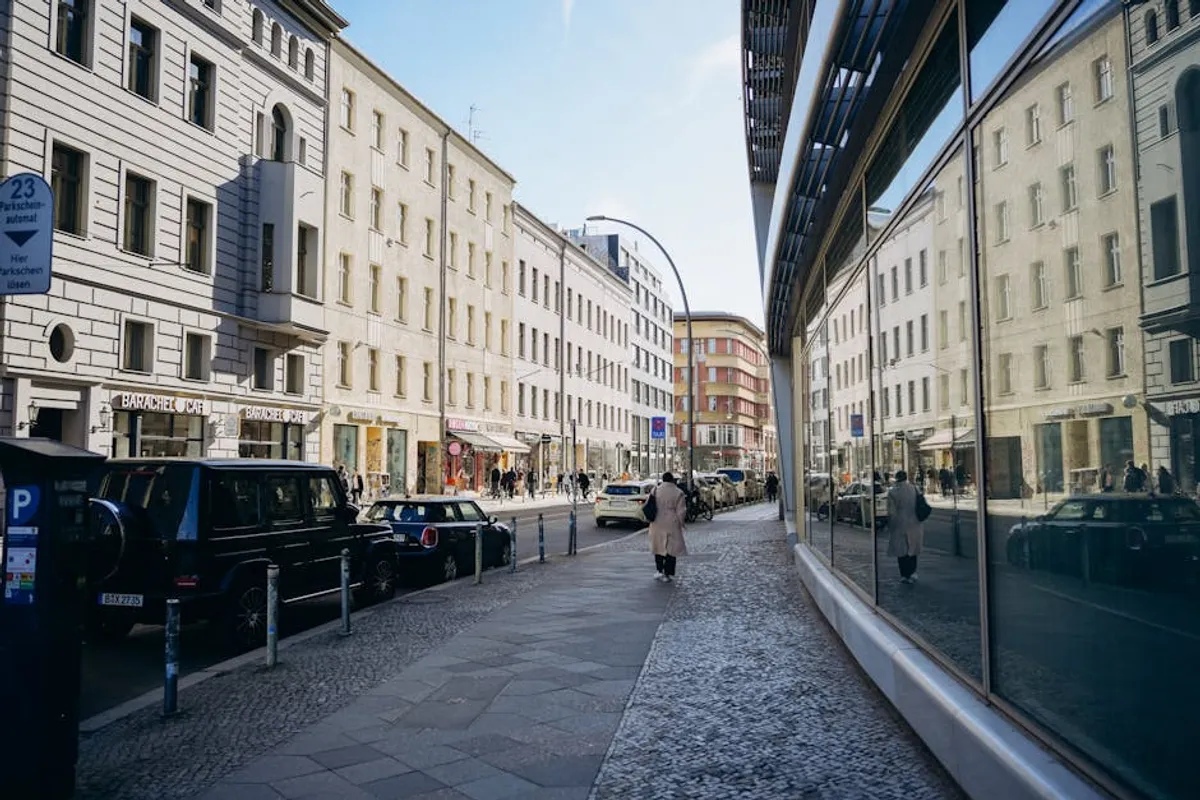
Berlin's reputation as a global hub for culture and creativity is well-earned, drawing artists, entrepreneurs, and innovators from across the world. However, the city is not a monolithic entity; its diverse neighborhoods each offer distinct atmospheres, resources, and communities that cater to specific creative inclinations and commercial ventures. Understanding these nuances is critical for individuals seeking an inspiring environment or businesses aiming to embed themselves within a relevant cultural ecosystem. The decision of where to establish roots can significantly impact access to talent, collaboration opportunities, and audience engagement.
Selecting Your Creative Hub
Choosing the optimal Berlin neighborhood for cultural pursuits or creative enterprise requires a strategic assessment beyond superficial appeal. Consider the following factors to align your needs with the right locale:
- Specific Creative Niche: Some areas gravitate towards visual arts, others to music, performance, design, or digital innovation. Identify neighborhoods with a concentrated presence in your field.
- Community and Networking: Evaluate the existing creative community. Is it established or emerging? Does it foster collaboration or competition? Proximity to like-minded individuals and organizations can be invaluable.
- Infrastructure and Resources: Assess the availability of studio spaces, galleries, performance venues, coworking facilities, specialized suppliers, and educational institutions relevant to your work.
- Cost of Living and Rent: Berlin's affordability is shifting. Newer creative hubs often emerge in areas with lower rents, though these can rapidly increase with gentrification. Budgetary constraints will dictate feasible options for individuals and startups.
- Accessibility and Connectivity: Public transport links (U-Bahn, S-Bahn, tram) are crucial for commuting, attending events, and reaching wider audiences. Consider proximity to airports or central stations if frequent travel is a factor.
- Atmosphere and Lifestyle: Beyond professional considerations, the daily environment matters. Some prefer bustling urban energy, others quiet green spaces, or a specific nightlife scene. The neighborhood's general vibe should resonate with your personal or brand identity.
- Future Development and Trends: Research upcoming urban planning projects, cultural initiatives, or demographic shifts that could impact the neighborhood's creative trajectory and long-term viability.
1. Kreuzberg
Kreuzberg remains a quintessential Berlin creative hotbed, historically defined by its counter-culture, activism, and vibrant alternative scene. It’s a dynamic district where street art coexists with established galleries, and independent music venues thrive alongside innovative startups. The area west of Oranienstraße (SO36) is particularly known for its punk rock heritage and DIY ethos, while Bergmannkiez offers a more bohemian, cafe-centric atmosphere. Its cultural density makes it a magnet for artists, musicians, and performers seeking an environment that values raw expression and community engagement.
Best for: Independent artists, musicians, performance art, street art, alternative cultural projects, social enterprises, and those valuing a strong community and historical counter-culture identity.
Pros:
- High concentration of independent galleries, studios, and cultural initiatives.
- Diverse and engaged community fostering collaboration and unconventional ideas.
- Rich history of activism and alternative lifestyles, appealing to specific creative niches.
- Excellent public transport connectivity across the city.
- Abundant nightlife, diverse culinary scene, and lively street life.
Cons:
- Increasing gentrification has led to rising rents and displacement pressures for some artists.
- Can be noisy and crowded, particularly in popular areas.
- Studio spaces are becoming harder to secure and more expensive.
- The "alternative" appeal can sometimes attract an oversaturated market for certain creative fields.
Verdict: Kreuzberg offers an unparalleled, historically rich creative energy, but newcomers must navigate rising costs and a competitive landscape to fully integrate into its established, yet evolving, cultural fabric.
2. Neukölln
Once an overlooked working-class district, Neukölln has rapidly transformed into a primary destination for emerging artists, young creatives, and international residents. Its appeal stems from a blend of relatively affordable rents (though increasing), a diverse population, and a burgeoning independent art and bar scene. Areas like Weserstraße and Sonnenallee are focal points for new galleries, pop-up shops, and experimental performance spaces, fostering a contemporary, experimental creative environment distinct from Kreuzberg's more established alternative vibe.
Best for: Emerging artists, digital creatives, independent filmmakers, experimental musicians, small design studios, and those seeking a dynamic, international, and rapidly evolving creative scene.
Pros:
- Vibrant, international community fostering new ideas and collaborations.
- Numerous independent galleries, project spaces, and artist studios, often in former commercial units.
- Diverse cultural offerings, from experimental theater to underground music venues.
- Good public transport links and proximity to Tempelhofer Feld for recreation.
- Still offers relatively more affordable studio and living spaces compared to central districts.
Cons:
- Rapid gentrification is a significant concern, pushing out long-term residents and artists.
- Can feel gritty and unpolished in some areas, which may not appeal to all.
- Noise levels can be high, especially around popular bar streets.
- Over-saturation in certain creative fields, particularly hospitality and smaller art ventures.
Verdict: Neukölln provides a fertile ground for new creative ventures and international exchange, but its rapid evolution requires adaptability and a proactive approach to securing space and community.
3. Friedrichshain
Friedrichshain, situated in former East Berlin, has evolved from a punk and squatters' haven into a district known for its nightlife, urban art, and a growing startup scene. The East Side Gallery, a preserved section of the Berlin Wall covered in murals, serves as a major cultural landmark. The area around RAW-Gelände, a former railway repair yard, hosts clubs, art spaces, and workshops, embodying a raw, industrial aesthetic. Its energy appeals to creatives involved in music, digital arts, and urban culture, often with a commercial edge.
Best for: Musicians (especially electronic), urban artists, digital creatives, startup founders, event organizers, and those interested in a district with a strong nightlife and a blend of commercial and alternative culture.
Pros:
- Home to iconic clubs and music venues, fostering a strong electronic music scene.
- Numerous urban art projects and public art installations.
- Growing number of coworking spaces and startup incubators.
- Excellent transport connections, including Ostkreuz, a major S-Bahn hub.
- Abundant parks and green spaces, including Volkspark Friedrichshain.
Cons:
- Highly popular with tourists, leading to crowded areas and increased commercialization.
- Rents have risen significantly, making it less accessible for new artists.
- Can be very noisy, especially on weekends, due to nightlife.
- The creative scene is more commercially oriented than some other districts.
Verdict: Friedrichshain offers a dynamic environment for commercially viable creative endeavors and those tied to Berlin's music and urban art scenes, though its popularity brings increased costs and competition.
4. Wedding
Wedding, often described as "the new Neukölln" a decade ago, retains a more authentic, less gentrified character than many other central districts. Its appeal lies in its diverse population, industrial heritage, and still relatively affordable rents. Former factory buildings and warehouses are being repurposed into artist studios, galleries, and cultural centers. The district fosters a raw, experimental creative scene, attracting artists and designers who value space, community, and a less polished environment to develop their work.
Best for: Visual artists, sculptors, performance artists, craftspeople, emerging design studios, and those seeking large, affordable studio spaces and a grounded, diverse community.
Pros:
- Significantly more affordable rents for both living and studio spaces compared to trendier districts.
- Abundance of industrial spaces suitable for large-scale art projects or workshops.
- Diverse, multicultural community offering varied perspectives and influences.
- Emerging independent gallery scene and project spaces.
- Good public transport links to central Berlin.
Cons:
- Lacks the immediate density of established cultural venues found in other districts.
- Some areas can feel less aesthetically appealing or developed.
- Nightlife and culinary scene are less extensive, though growing.
- The creative community is more dispersed and requires proactive networking.
Verdict: Wedding is ideal for creatives prioritizing space and affordability over immediate access to a dense, established scene, offering a fertile ground for long-term project development within a diverse urban fabric.
5. Mitte
Mitte, the historical and geographical center of Berlin, is home to many of the city's most prestigious cultural institutions, major museums, and commercial art galleries. While not known for its bohemian or alternative scene, it attracts creatives focused on established art markets, high-end design, and corporate cultural partnerships. The gallery district around Auguststraße and Linienstraße specifically caters to serious collectors and critics, offering a more formal, commercially driven creative environment.
Best for: Established artists, gallerists, art consultants, designers working with luxury brands, cultural administrators, and those seeking proximity to major institutions, commercial opportunities, and a global audience.
Pros:
- Proximity to world-class museums (Museum Island), theaters, and concert halls.
- High concentration of commercial galleries and art market infrastructure.
- Excellent transport links and central location for international visitors.
- Access to corporate partnerships and high-profile cultural events.
- Prestigious address for businesses and studios.
Cons:
- Extremely high rents for living and studio spaces, making it inaccessible for many.
- Lacks the independent, experimental, or community-driven creative scene of other districts.
- Can feel sterile and tourist-centric in some areas.
- Less emphasis on grassroots or emerging art forms.
Verdict: Mitte is the strategic choice for creatives operating at the higher end of the commercial art market or seeking institutional collaboration, offering unparalleled access to established cultural power but at a significant cost.
6. Prenzlauer Berg
Prenzlauer Berg has undergone extensive gentrification since the 1990s, transforming from a bohemian artists' quarter into a family-friendly, affluent district. While much of its edgy creative past has been replaced by boutique shops and organic cafes, pockets of cultural activity persist. The area retains a high density of small theaters, independent cinemas, and design studios, particularly around Kollwitzplatz and Helmholtzplatz. Its creative output now leans towards sophisticated design, artisanal crafts, and family-oriented cultural events, rather than experimental or underground art.
Best for: Designers (product, graphic, interior), artisanal craft makers, independent filmmakers, children's cultural educators, and those seeking a refined, aesthetically pleasing environment with a strong community focus.
Pros:
- Beautiful architecture, well-maintained streets, and numerous parks.
- High quality of life with abundant cafes, restaurants, and independent shops.
- Strong community of educated, culturally aware residents.
- Good concentration of small theaters, cinemas, and design-focused businesses.
- Excellent public transport connectivity.
Cons:
- Very high rents for both living and commercial spaces.
- Limited availability of large, affordable studio spaces.
- Lacks the raw, experimental, or counter-cultural creative energy of other districts.
- Can feel homogenous and less diverse than other parts of Berlin.
Verdict: Prenzlauer Berg suits creatives whose work aligns with an affluent, design-conscious audience and who value a high quality of life, accepting the trade-off of higher costs and a less avant-garde scene.
7. Schöneberg
Schöneberg boasts a rich cultural history, particularly as a historical center for LGBTQ+ culture and cabaret in the early 20th century. While its contemporary creative scene is less overtly visible than in districts like Neukölln, it maintains a quieter, more established artistic presence. The area around Winterfeldtplatz offers a sophisticated, intellectual atmosphere with independent bookstores and antique shops. Schöneberg attracts creatives who appreciate historical context, a more mature audience, and a sense of enduring cultural legacy rather than transient trends.
Best for: Writers, historians, academics, classical musicians, independent theater groups focusing on established works, and those seeking a quieter, more reflective creative environment with historical depth.
Pros:
- Rich cultural history, particularly for LGBTQ+ and cabaret scenes.
- Established, intellectual atmosphere with independent bookstores and cultural institutions.
- Good transport links and central location.
- More residential and quieter than many other central districts.
- Diverse architectural styles and pleasant streets.
Cons:
- Less visible or concentrated contemporary art scene.
- Studio spaces are less common and can be expensive.
- Lacks the youthful, experimental energy of districts like Neukölln or Wedding.
- Nightlife is more subdued compared to Friedrichshain or Kreuzberg.
Verdict: Schöneberg offers a cultured, historically resonant environment for creatives whose work benefits from a quieter setting and an appreciation for established artistic traditions, rather than avant-garde experimentation.
8. Charlottenburg
Charlottenburg represents the more affluent, traditional side of Berlin's cultural landscape. It is home to major opera houses, prestigious theaters, high-end galleries, and the Universität der Künste (UdK), one of Europe's largest and most diverse art universities. The creative scene here is characterized by institutional support, classical arts, and a focus on established, commercially viable works. It attracts creatives seeking formal training, institutional connections, and a refined audience, often with a global perspective.
Best for: Classical musicians, opera singers, theater performers, fine artists (painting, sculpture), art historians, academics, and those seeking institutional connections, formal training, and a sophisticated cultural clientele.
Pros:
- Proximity to world-renowned cultural institutions (Deutsche Oper, Theater des Westens).
- Home to major art academies, fostering a highly skilled artistic community.
- Numerous high-end galleries and antique shops.
- Elegant architecture, upscale shopping, and a refined atmosphere.
- Excellent transport links, including Zoologischer Garten.
Cons:
- Extremely high cost of living and commercial rents.
- Limited opportunities for experimental or grassroots creative projects.
- Can feel less diverse and more conservative than other districts.
- The creative scene is largely institutionally driven, with less independent activity.
Verdict: Charlottenburg is the destination for creatives deeply embedded in established arts, academia, or luxury design, offering unparalleled institutional access and a high-end market, but with significant financial barriers.
9. Alt-Treptow
Nestled along the Spree River, Alt-Treptow offers a unique blend of industrial heritage, green spaces, and a burgeoning creative scene. Its former factory buildings and warehouses are increasingly being converted into artist studios, design offices, and event venues, capitalizing on their spaciousness and riverside locations. Treptower Park provides a significant green lung, and the area benefits from a sense of tranquility while remaining accessible to central Berlin. It appeals to creatives looking for space and a community that is still forming its identity.
Best for: Visual artists, sculptors, architects, designers, small production companies, and those seeking spacious studios, a quieter environment, and proximity to green spaces and the river.
Pros:
- Abundance of large, adaptable industrial spaces suitable for studios or workshops.
- Significant green spaces, including Treptower Park, offering recreation and inspiration.
- Riverside location provides unique aesthetic appeal and event opportunities.
- Relatively more affordable rents than inner-city districts, though rising.
- Good transport connections via S-Bahn.
Cons:
- Lacks the immediate density of cultural venues and nightlife found in other districts.
- The creative community is still developing and less concentrated.
- Fewer independent shops and cafes compared to more established creative hubs.
- Some areas can feel isolated or less developed.
Verdict: Alt-Treptow is a promising location for creatives prioritizing large, adaptable spaces and a tranquil, green environment, offering a developing scene with potential for long-term growth and community building.
10. Moabit
Moabit, an island district bordered by canals and the Spree, is undergoing a quiet revitalization. Its industrial past is evident in its brick architecture and former factory sites, which are now attracting a mix of startups, tech companies, and a growing number of artists seeking affordable spaces. While not as outwardly "hip" as Neukölln, Moabit offers a grounded, diverse community and a sense of authenticity. The creative scene here is more understated, often found in repurposed industrial buildings or quiet project spaces, appealing to those who prefer substance over trend.
Best for: Artists and designers seeking affordable, large studio spaces, tech startups, craft breweries, and those valuing a diverse, authentic community with good transport links and a less touristy atmosphere.
Pros:
- Relatively affordable rents for both living and studio spaces.
- Abundance of industrial architecture suitable for creative conversions.
- Diverse, multicultural population and a strong local community feel.
- Excellent public transport connections, including Hauptbahnhof nearby.
- Less affected by mass tourism, offering a more authentic Berlin experience.
Cons:
- Lacks a concentrated, visible creative scene or established cultural institutions.
- Fewer independent cafes, bars, and galleries compared to trendier districts.
- Can feel somewhat isolated due to its island geography.
- Nightlife and cultural events are less frequent and prominent.
Verdict: Moabit provides a practical and affordable base for creatives who value space, authenticity, and a diverse local community, offering a quiet environment for focused work away from the city's main cultural arteries.
11. Weißensee (Pankow)
Located in the northern borough of Pankow, Weißensee offers a distinct, quieter creative atmosphere, largely influenced by the Weißensee Academy of Art Berlin (Kunsthochschule Berlin Weißensee). This prestigious art school attracts a steady stream of students and faculty, fostering a community focused on fine arts, fashion, and design. The district is characterized by its green spaces, historic villas, and a more suburban feel, providing a tranquil environment for artistic production. The creative scene here is academic and community-driven, often less commercial than in central Berlin.
Best for: Fine artists, fashion designers, art students, academics, ceramicists, and those seeking a peaceful, green environment with a strong connection to art education and a close-knit artistic community.
Pros:
- Proximity to a major art academy, providing a constant influx of creative talent and ideas.
- Abundant green spaces, including Weißer See, offering a high quality of life.
- More affordable living and studio rents compared to central districts.
- Quieter, more focused environment for artistic production and study.
- Strong local community feel and independent shops.
Cons:
- Further from central Berlin, requiring longer commute times to major cultural hubs.
- Limited nightlife and fewer large-scale cultural venues.
- The creative scene is primarily academic-driven, with less emphasis on commercial galleries.
- Can feel isolated for those seeking a bustling urban creative environment.
Verdict: Weißensee is an excellent choice for creatives seeking an academic-focused, tranquil, and green environment, particularly those involved in fine arts and design education, prioritizing peace over urban bustle.
12. Tempelhof (around Tempelhofer Feld)
The area surrounding Tempelhofer Feld, the former airport now a vast public park, has developed a unique creative identity centered around community projects, outdoor art, and sustainable initiatives. While not a traditional "creative district" with numerous galleries, it fosters a spirit of open-air experimentation and public engagement. The adjacent neighborhoods of Tempelhof-Schöneberg offer a mix of residential areas and emerging creative spaces, often in former industrial buildings. This district appeals to creatives focused on public art, sustainable design, and community-led cultural projects.
Best for: Public artists, urban planners, sustainable designers, community organizers, event planners, and those interested in large-scale outdoor projects, green initiatives, and direct public engagement.
Pros:
- Access to Tempelhofer Feld for large-scale outdoor art, events, and community projects.
- Focus on sustainability, urban gardening, and public participation in culture.
- Relatively more affordable living and studio spaces than inner-city districts.
- Good transport links via U-Bahn and S-Bahn.
- Emerging independent cafes and project spaces.
Cons:
- Lacks a concentrated indoor gallery or performance venue scene.
- Creative opportunities are often tied to public spaces