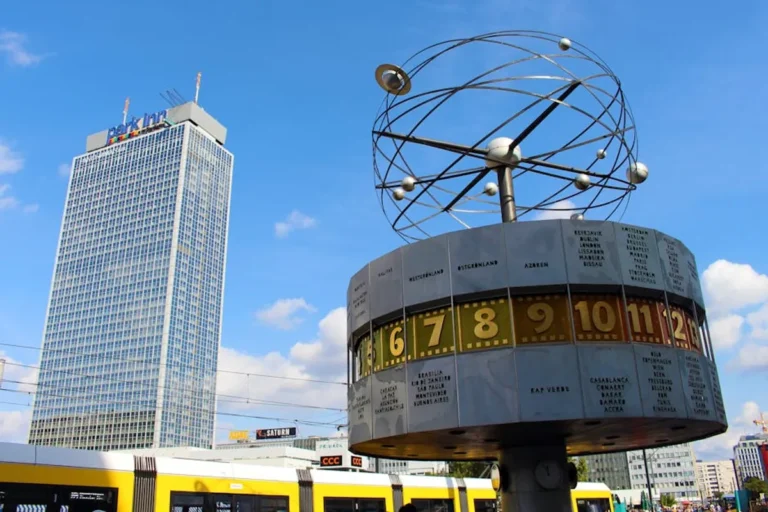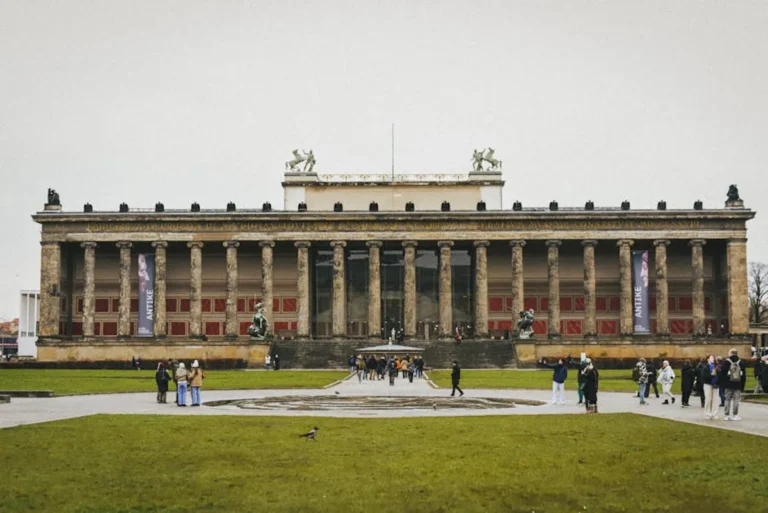
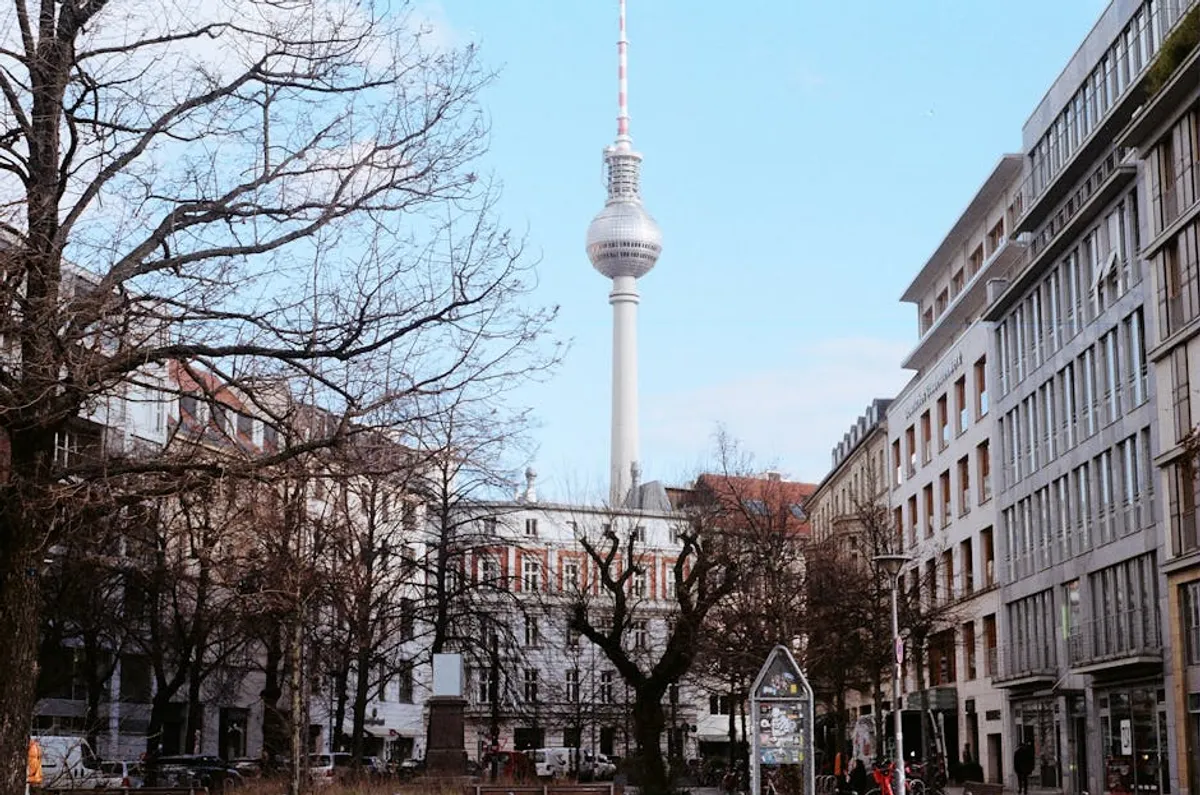
Choosing a neighborhood for a first visit to Berlin involves balancing proximity to major attractions, local character, transport accessibility, and desired atmosphere. Berlin is a city of distinct districts, each offering a unique experience. While some visitors prioritize being steps away from historical landmarks, others seek a vibrant nightlife, a quiet residential feel, or a hub for arts and culture. Understanding these differences before arrival is key to shaping your itinerary and overall impression of the city.
How to Choose Your Berlin Neighborhood
Before committing to a specific area, consider these factors:
- Primary Interests: Are you focused on historical sites, museums, nightlife, shopping, green spaces, or a specific cultural scene? Berlin's neighborhoods often specialize in one or more of these.
- Transport Connectivity: Berlin's public transport (U-Bahn, S-Bahn, tram, bus) is extensive. Evaluate how easily you can reach your planned activities from a potential base. Centrality often means less travel time.
- Budget: Accommodation prices vary significantly. Central, well-known areas like Mitte or Charlottenburg often have higher prices, while areas further out or with a more local focus might offer better value.
- Desired Atmosphere: Do you prefer a bustling urban environment, a quiet residential street, a bohemian vibe, or a family-friendly setting? Each neighborhood has a distinct personality.
- Nightlife Preference: If late-night activities are a priority, certain districts are more suited than others, offering a concentration of bars, clubs, and late-night eateries.
- Dining Options: Consider the variety and type of restaurants available. Some areas are known for international cuisine, others for traditional German fare, and many for innovative culinary scenes.
1. Mitte
Mitte, meaning "middle" or "center," is Berlin's historical and geographical core, making it the most immediate choice for first-time visitors prioritizing major landmarks. This district encompasses iconic sites like the Brandenburg Gate, Reichstag Building, Museum Island, and remnants of the Berlin Wall. It’s a hub of government, culture, and business, characterized by grand boulevards, impressive architecture, and a constant flow of tourists. Accommodation ranges from luxury hotels to mid-range options, catering heavily to the visitor market. Transport links are exceptional, with numerous U-Bahn and S-Bahn stations providing easy access to all parts of the city. Within Mitte, you'll find the world-renowned Museum Island, a must-visit for anyone interested in art and history.
Best for: First-timers focused on historical sightseeing, museum visits, and central accessibility. Ideal for those who prefer to be within walking distance of major attractions.
Pros:
- Unparalleled access to Berlin's most famous historical and cultural landmarks.
- Excellent public transport connectivity to all city areas.
- Wide range of dining options, from fine dining to casual eateries.
- Numerous accommodation choices, including many international hotel chains.
- Safe and well-maintained public spaces.
Cons:
- Can feel very touristy and less "authentic" Berlin.
- Higher accommodation and dining prices compared to other districts.
- Limited residential feel; can be quiet at night outside of specific entertainment zones.
- Crowded at peak times, especially around major attractions.
Verdict: Mitte is the most straightforward choice for visitors who want to maximize their sightseeing time and be immersed in the city's historical narrative. Its convenience comes at the cost of a more local experience.
2. Prenzlauer Berg
Prenzlauer Berg, often abbreviated as "Prenzlberg," is known for its beautifully preserved pre-war architecture, tree-lined streets, and family-friendly atmosphere. It transitioned from a working-class district to a gentrified area, now characterized by independent boutiques, charming cafes, organic markets, and playgrounds. While quieter than Mitte or Kreuzberg, it still offers cultural attractions like Mauerpark (known for its Sunday flea market and open-air karaoke) and the Kulturbrauerei arts complex. It’s well-connected by tram and U-Bahn, offering a more relaxed base with easy access to central Berlin.
Best for: Visitors seeking a charming, picturesque, and slightly more tranquil base with good dining and boutique shopping. Ideal for families, couples, and those who appreciate a relaxed, bohemian atmosphere.
Pros:
- Aesthetically pleasing with well-maintained historic buildings and green spaces.
- Excellent selection of independent cafes, restaurants, and boutiques.
- Family-friendly environment with numerous parks and playgrounds.
- Good public transport links, particularly by tram, to central areas.
- Generally safe and pleasant for walking around.
Cons:
- Can be perceived as less "edgy" or "alternative" than other Berlin districts.
- Fewer major historical landmarks directly within the neighborhood.
- Accommodation can be pricier, reflecting its desirability.
- Nightlife is more focused on relaxed bars and restaurants rather than clubs.
Verdict: Prenzlauer Berg offers a comfortable, stylish, and relaxed introduction to Berlin, providing a pleasant contrast to the bustling city center while remaining well-connected.
3. Kreuzberg
Kreuzberg is one of Berlin's most vibrant and diverse districts, famed for its multicultural population, alternative scene, and lively nightlife. Historically a West Berlin district bordering the Wall, it carries a legacy of counter-culture and activism. Today, it's a hub for artists, students, and a large Turkish community, reflected in its diverse culinary landscape and independent shops. Areas like Bergmannkiez offer charming streets and cafes, while Oranienstraße is known for its bustling bars and clubs. It's not as polished as Prenzlauer Berg but offers an authentic, energetic Berlin experience with strong historical resonance.
Best for: Visitors looking for a vibrant, multicultural, and alternative experience, with a focus on nightlife, diverse dining, and street art. Appeals to younger travelers and those seeking an authentic, less tourist-centric vibe.
Pros:
- Rich cultural diversity, reflected in food, art, and community events.
- Extremely lively nightlife scene with numerous bars, clubs, and music venues.
- Excellent and varied dining options, particularly Turkish and international cuisine.
- Strong alternative and artistic atmosphere, with street art and independent galleries.
- Good public transport links, especially U-Bahn, connecting to central Berlin.
Cons:
- Can be noisy, especially on weekends, due to active nightlife.
- Some areas might feel gritty or less manicured compared to Mitte or Charlottenburg.
- Can be overwhelming for those seeking a quiet or purely historical experience.
- Accommodation options lean towards boutique hotels and guesthouses, fewer large chains.
Verdict: Kreuzberg provides an energetic, authentic, and culturally rich experience, perfect for visitors who want to dive into Berlin's alternative scene and vibrant street life.
4. Charlottenburg
Located in former West Berlin, Charlottenburg exudes an elegant, upscale atmosphere, distinct from the more bohemian districts. It's home to the magnificent Charlottenburg Palace, the grand Kurfürstendamm (Ku'damm) shopping boulevard, and cultural institutions like the Deutsche Oper Berlin. The architecture is grand, reflecting its historical status as a wealthy residential and commercial hub. Accommodation options include many high-end hotels, alongside comfortable mid-range choices. It offers a more refined, traditional European city experience, with excellent connections to the city center and other attractions.
Best for: Visitors seeking a sophisticated, upscale experience, with a focus on shopping, classical culture, and historical palaces. Appeals to those who prefer a quieter, more polished environment.
Pros:
- Home to Charlottenburg Palace, a major historical attraction.
- Premier shopping along Kurfürstendamm, from luxury brands to department stores.
- Elegant architecture and well-maintained streets.
- Strong concentration of high-quality restaurants and cafes.
- Excellent public transport links, especially U-Bahn and S-Bahn, connecting across the city.
Cons:
- Can feel less "edgy" or "alternative" than East Berlin districts.
- Accommodation and dining can be more expensive.
- Fewer major historical landmarks from the Cold War era or pre-1945 Berlin.
- Nightlife is more subdued, focused on upscale bars and cultural events rather than clubs.
Verdict: Charlottenburg offers a refined and comfortable base, particularly appealing to those who appreciate classical European charm, high-end shopping, and a more tranquil atmosphere.
5. Friedrichshain
Friedrichshain, situated east of Mitte, is celebrated for its vibrant alternative culture, extensive nightlife, and iconic East Side Gallery. It was a key district in East Berlin, and its post-reunification transformation has cemented its status as a hub for artists, students, and young professionals. The district offers a blend of historical sites, like Karl-Marx-Allee's socialist-era architecture, and modern attractions, such as the RAW Gelände cultural complex. It’s a popular choice for those seeking a lively, unpretentious atmosphere with a strong sense of community and excellent transport links.
Best for: Visitors interested in Berlin's alternative scene, street art, and vibrant nightlife. Ideal for younger travelers and those looking for a dynamic, energetic atmosphere with historical context.
Pros:
- Home to the East Side Gallery, the longest open-air gallery in the world.
- Extremely active nightlife, with numerous clubs, bars, and music venues.
- Diverse and affordable dining options, particularly international cuisine.
- Strong alternative and artistic community, with independent shops and galleries.
- Excellent public transport links, especially S-Bahn and U-Bahn, providing quick access to Mitte.
Cons:
- Can be noisy, particularly on weekends, due to concentrated nightlife.
- Some areas might feel less polished or more industrial.
- Fewer traditional "tourist attractions" compared to Mitte or Charlottenburg.
- Can be crowded, especially around popular nightlife spots.
Verdict: Friedrichshain provides an exciting and dynamic base for those who want to experience Berlin's energetic youth culture, vibrant nightlife, and iconic street art.
6. Schöneberg
Schöneberg is a historic district known for its elegant residential streets, green spaces, and a rich LGBTQ+ history. It was once the heart of Berlin's gay community, and while this has spread, it remains a welcoming and diverse area. The district offers a more residential and relaxed atmosphere than central Mitte, with a mix of grand Wilhelminian-era buildings and modern apartments. Notable sites include the Rathaus Schöneberg (where JFK delivered his "Ich bin ein Berliner" speech) and numerous independent shops and cafes. It's well-connected by U-Bahn and S-Bahn, offering a quieter base with good access to the city.
Best for: Visitors seeking a quieter, more residential, and historically significant neighborhood with good transport links. Appeals to those interested in LGBTQ+ history and a relaxed, local feel.
Pros:
- Pleasant, residential atmosphere with beautiful architecture and green spaces.
- Historically significant, particularly for LGBTQ+ culture and political events.
- Good selection of independent shops, cafes, and restaurants.
- Excellent public transport connectivity to all major parts of Berlin.
- Generally quieter and less tourist-dense than central districts.
Cons:
- Fewer major "must-see" tourist attractions directly within the district.
- Nightlife is more subdued, focused on local bars and restaurants.
- Can feel a bit far from some of the main East Berlin attractions.
- Some areas are purely residential, offering less for casual exploration.
Verdict: Schöneberg offers a comfortable, historically rich, and well-connected base for visitors who prefer a more relaxed, local experience away from the main tourist crowds.
7. Neukölln
Neukölln has rapidly transformed from a working-class district into one of Berlin's trendiest neighborhoods, attracting artists, students, and young professionals. It's a district of contrasts, blending traditional Turkish bakeries with hipster cafes, gritty industrial spaces with vibrant street art. The area around Weserstraße and Sonnenallee is particularly known for its burgeoning bar scene and diverse culinary offerings. While it can still feel a bit rough around the edges in some parts, its evolving character and authentic local vibe make it an intriguing choice for adventurous first-timers. It's well-served by U-Bahn and S-Bahn, offering good connectivity. This evolving character and authentic local vibe make it an intriguing choice for adventurous first-timers drawn to vibrant street art.
Best for: Adventurous first-timers seeking an authentic, evolving, and trendy local experience. Ideal for those interested in emerging art scenes, diverse cuisine, and a vibrant, less polished nightlife.
Pros:
- Dynamic and rapidly evolving cultural scene, with new bars, cafes, and galleries.
- Excellent variety of affordable and diverse international dining options.
- Authentic local atmosphere, less tourist-focused than central areas.
- Vibrant nightlife, particularly around Weserstraße.
- Good public transport links, especially U-Bahn, connecting to central Berlin.
Cons:
- Can feel gritty or unpolished in some areas, which might not appeal to all visitors.
- Fewer traditional "tourist attractions" directly within the district.
- Some parts can be noisy, especially on weekends.
- Accommodation options are more boutique or guesthouse-focused, fewer large hotels.
Verdict: Neukölln is for the first-timer who wants to experience Berlin's cutting edge, embracing its multiculturalism and evolving urban landscape, rather than its historical monuments.
8. Moabit
Moabit, located just west of Mitte and north of Tiergarten, is a largely residential district with a quiet, local feel. Historically an industrial area, it has retained some of its working-class charm while seeing gradual gentrification. It's characterized by its island-like setting, surrounded by canals and the Spree River, giving it a distinct character. While not a primary tourist magnet, Moabit offers a peaceful base with excellent public transport connections, particularly via