Understanding how a city's cultural elements, like its dominant music scene, intertwine with its overall identity offers valuable insights for market analysis, content strategy, and even local SEO targeting. Berlin exemplifies this dynamic, where its post-reunification music landscape has not merely provided entertainment but has fundamentally reshaped its global perception, driven economic sectors, and attracted specific demographics. For professionals tracking cultural trends or seeking to engage niche audiences, dissecting Berlin’s musical evolution provides a blueprint for recognizing and leveraging similar cultural drivers in other urban centers. For professionals tracking cultural trends or seeking to engage niche audiences, the berlin's musical evolution provides a blueprint for understanding its broader lifestyle appeal.
From Division to Dancefloor: A Historical Overview
Berlin’s contemporary identity as a creative hub is inextricably linked to the socio-political landscape following the fall of the Berlin Wall in 1989. The sudden availability of vast, derelict spaces in East Berlin—abandoned factories, bunkers, and administrative buildings—combined with low rents and a lack of immediate regulation, created a fertile ground for artistic experimentation. This period fostered a unique environment where subcultures could thrive without commercial pressure, a stark contrast to more established cultural capitals.
This affordability and freedom became a magnet for artists, musicians, and entrepreneurs from across Germany and internationally. The city’s liminal state, transitioning from a divided outpost to a reunified capital, fueled a sense of possibility and a DIY ethos. This historical context is crucial for understanding the organic growth of Berlin's music scene; it wasn't a top-down initiative but a bottom-up cultural explosion, driven by artists seeking space and creative liberty.
Techno's Global Resonance: Berlin's Sonic Signature
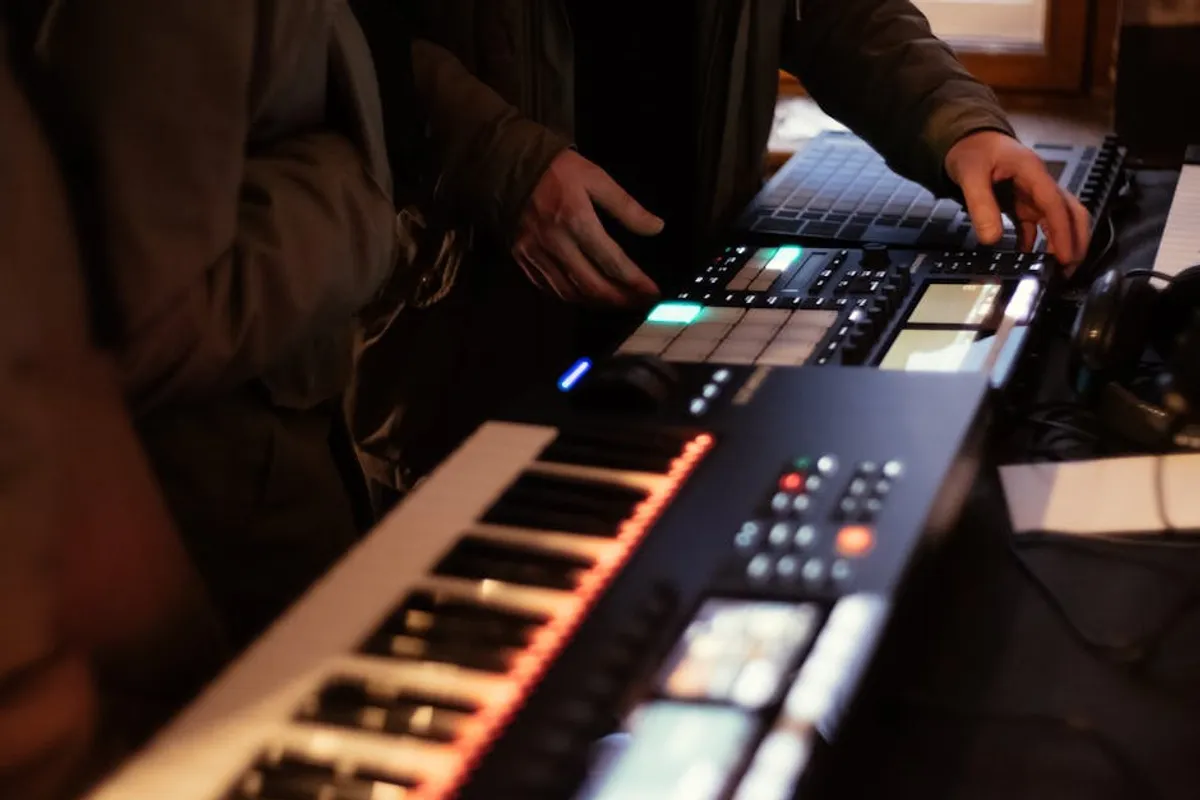
While Berlin boasts diverse musical traditions, techno emerged as its most globally recognized sonic signature. Clubs like Tresor, established in the vault of a former department store in 1991, and later Berghain, housed in a former power plant, became international pilgrimage sites. These venues transcended mere entertainment, evolving into cultural institutions that championed a specific aesthetic and fostered a community built around electronic music.
The impact extends beyond nightlife. Berlin's techno scene:
- Drives Tourism: Millions of visitors are drawn to Berlin specifically for its club culture, contributing significantly to the hospitality sector.
- Fosters Creative Industries: The scene supports a robust ecosystem of independent record labels, music producers, DJs, sound engineers, and event organizers.
- Shapes Urban Branding: Berlin's association with techno contributes to its image as a liberal, innovative, and culturally avant-garde city, attracting creative talent and tech startups.
- Influences Fashion and Art: The distinct aesthetics of Berlin's club culture often spill over into fashion trends, visual arts, and digital media, further solidifying the city's creative reputation.
Beyond the Beat: Diverse Musical Ecosystems
While techno often dominates the narrative, Berlin's musical identity is far richer. The city hosts a vibrant classical music scene, home to world-renowned orchestras like the Berlin Philharmonic and numerous opera houses. Its jazz clubs, experimental music venues, and independent rock scenes also contribute significantly to the city’s cultural fabric. This diversity ensures a broad appeal, catering to various musical tastes and supporting a wider range of cultural enterprises.
The presence of numerous independent labels, recording studios, and music tech startups further solidifies Berlin’s position as a music industry hub. This comprehensive ecosystem provides opportunities for artists at all stages of their careers, from emerging talent to established professionals, reinforcing the city's reputation as a place where music is not just consumed but actively created and innovated.
Music as a Brand Identifier: Marketing Berlin
Berlin's municipal and tourism marketing efforts frequently leverage its music scene. Campaigns often highlight the city’s vibrant nightlife, independent music venues, and its status as a creative melting pot. This strategic branding attracts a specific demographic—young, culturally aware travelers and professionals—who are drawn to the city's progressive image and opportunities for artistic expression.
The music scene acts as a powerful, authentic narrative that differentiates Berlin from other European capitals. It communicates a message of freedom, innovation, and inclusivity, which resonates with global audiences and influences perceptions of the city as a whole. This cultural branding extends to attracting foreign investment in creative industries and fostering a dynamic startup environment.
Pro Tip: When analyzing local market opportunities, look beyond explicit economic indicators. Cultural drivers, like a city's dominant music scene or art movements, often act as powerful, organic magnets for talent, tourism, and specific consumer segments. Understanding these underlying cultural currents can reveal niche markets and inform more resonant marketing strategies.
Challenges and Evolution: Sustaining the Scene
Despite its successes, Berlin’s music scene faces ongoing challenges. Rapid gentrification and rising rents threaten the very affordability that initially allowed the scene to flourish. Iconic venues struggle with increasing operational costs, noise complaints, and pressure from property developers. Preserving these cultural spaces is critical for maintaining the city's unique identity.
The scene continually adapts, with new venues emerging in different districts and artists exploring new sounds. This ongoing evolution reflects Berlin's resilience and its commitment to cultural innovation. The city's identity remains fluid, shaped by its history, its creative communities, and its capacity to embrace change while holding onto its core values of artistic freedom and expression.
Actionable Insights: Leveraging Cultural Understanding
For marketers and strategists, understanding the symbiotic relationship between Berlin's music scene and its identity provides a framework for analyzing other urban environments. Consider these points:
- Identify Core Cultural Narratives: Pinpoint the authentic cultural elements that define a city or region beyond surface-level attractions.
- Analyze Demographic Alignment: Determine which specific demographics are attracted to these cultural narratives and how their presence influences local markets.
- Track Economic Spillovers: Evaluate how cultural scenes contribute to tourism, local commerce, and the growth of adjacent creative industries.
- Inform Content Strategy: Develop content that genuinely resonates with the cultural identity of a place, moving beyond generic promotional material.
- Optimize Local SEO: Use culturally relevant keywords and location-based content to target audiences specifically drawn to these unique aspects.
Frequently Asked Questions
What role did the fall of the Berlin Wall play in the city's music scene?
The fall of the Berlin Wall created a unique vacuum of affordable, disused spaces and a sense of boundless freedom, allowing experimental music genres, particularly techno, to flourish without commercial constraints or strict regulation.
How does Berlin's music scene impact its economy?
Berlin's music scene significantly boosts tourism, attracting millions of visitors for its club culture and festivals. It also supports a robust ecosystem of creative industries, including independent labels, studios, event organizers, and music tech startups.
Is Berlin's music scene solely focused on techno?
While techno is Berlin's most globally recognized genre, the city boasts a rich and diverse musical landscape, including world-class classical music, vibrant jazz clubs, experimental venues, and thriving independent rock and electronic scenes.
What challenges does Berlin's music scene face today?
The scene faces significant challenges from gentrification, rising rents, and increasing operational costs for venues. Preserving affordable spaces for artists and clubs is a continuous effort to maintain the city's unique cultural identity.