
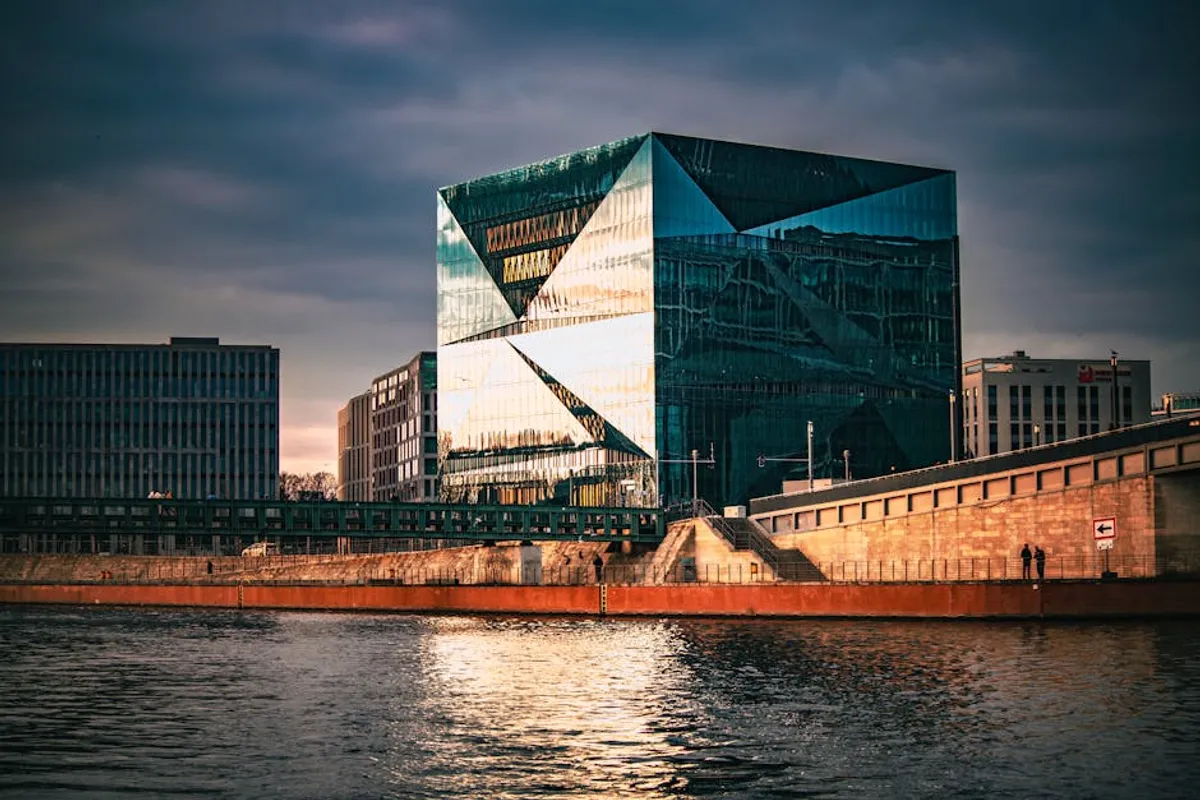
Building a dedicated event calendar for Berlin, designed specifically for readers, represents a significant opportunity to capture a targeted audience seeking local information. The challenge lies in moving beyond a simple list to create a curated, accessible, and continuously updated resource that genuinely serves its users. This requires a strategic approach to content, technology, and promotion, ensuring the calendar is not only discoverable but also indispensable for those navigating Berlin's dynamic cultural and social landscape.
Defining Your Berlin Event Niche and Audience
Success hinges on precise targeting. Berlin is a sprawling city with diverse interests; attempting to cover all events risks diluting your value proposition. Instead, identify a specific segment of readers and the event types most relevant to them.
Identifying Target Readers and Event Categories
Consider who your primary audience will be. Are you building for:
- Tourists and Newcomers: Focus on major attractions, popular festivals, English-friendly events, and easily accessible venues.
- Specific Interest Groups: Target art enthusiasts (gallery openings, museum exhibitions), music lovers (concerts by genre or venue), tech professionals (meetups, conferences), or families (child-friendly activities, parks).
- Local Residents: Include community events, neighborhood-specific happenings, local markets, and workshops that cater to daily life.
Once your readers are defined, narrow down the event categories. A calendar focused solely on "Berlin Jazz Concerts" will attract a different, more engaged audience than a generic "Berlin Events" listing, making content curation and promotion more efficient.
Curating for Relevance and Quality
The value of your calendar directly correlates with the quality and relevance of its listings. Avoid simply aggregating everything. Implement a clear editorial policy:
- Source Verification: Prioritize official event pages, venue websites, and reputable organizers.
- Content Richness: Each listing should offer essential details: date, time, location, price, a concise description, and a direct link to tickets or more information. Images and videos enhance engagement.
- Language Considerations: For an international city like Berlin, decide if listings will be in German, English, or bilingual. This impacts your audience reach.
Pro Tip: Implement a clear "event submission" guideline if you allow external contributions. Require specific data fields and a moderation process to maintain quality and prevent spam. This ensures user-generated content aligns with your calendar's editorial standards.
Choosing the Right Technical Foundation
The underlying technology dictates how easily you can manage, display, and scale your event calendar.
Content Management Systems and Event Plugins
For most publishers, a robust Content Management System (CMS) combined with specialized event plugins offers the best balance of functionality and ease of use. Look for solutions that provide:
- Event Management Features: Tools for adding, editing, and categorizing events, managing recurring events, and handling ticket links.
- Front-end Display Options: Calendar views (monthly, weekly, list), search filters (by date, category, location), and dedicated event detail pages.
- Scalability: The ability to handle a growing number of events and users without performance degradation.
Data Sources and API Integrations
Populating your calendar efficiently is critical. Consider a multi-pronged approach:
- Direct Submissions: Allow event organizers to submit their own events through a dedicated form.
- Manual Curation: For high-priority or unique events, manual entry ensures accuracy and editorial control.
- API Integrations: Explore APIs from major Berlin venues, ticketing platforms, or city tourism boards. These can automate data import, reducing manual effort and ensuring timely updates. Understand the terms of service for any API usage.
- iCal Feeds: Many platforms offer iCal feeds, which can be imported and synchronized, though often requiring custom parsing for optimal display.
Optimizing for Discoverability and User Experience
A well-built calendar is only effective if readers can find and easily use it.
SEO Best Practices for Event Listings
Search engine optimization is paramount for discoverability. Focus on:
- Schema Markup: Implement
Eventschema markup on every event page. Include properties likename,startDate,endDate,location(withPlaceandAddress),organizer,offers(for pricing/tickets), andimage. This helps search engines understand your content and display rich results. - Keyword Targeting: Optimize event titles and descriptions with relevant Berlin-specific keywords (e.g., "Berlin art exhibition," "concerts in Kreuzberg," "free events Berlin").
- Local SEO: Ensure your website is optimized for local searches. Include "Berlin" prominently in page titles, meta descriptions, and content. Consider creating location-specific landing pages for major districts if your calendar covers a broad area.
- Clean URLs: Use descriptive, keyword-rich URLs for event pages (e.g.,
/events/berlin-jazz-festival-2024).
User Interface and Filtering Options
Readers need to quickly find what they're looking for. Design an intuitive interface with:
- Robust Filters: Allow users to filter by date range, event category, neighborhood, price range, and accessibility options.
- Search Functionality: A prominent search bar that allows for keyword searches across event titles and descriptions.
- Map Integration: Displaying event locations on an interactive map (e.g., OpenStreetMap, Google Maps) enhances usability, especially for tourists.
- Clear Calls to Action: Make it obvious how to get more information or purchase tickets.
Mobile Responsiveness and Performance
A significant portion of your audience will access the calendar on mobile devices while on the go. Ensure the design is fully responsive, and pages load quickly. Prioritize image optimization and efficient code to minimize load times.
Content Strategy and Promotion
Beyond technical setup, consistent content management and strategic promotion drive readership.
Regular Updates and Event Submission
An event calendar's primary value is its timeliness. Establish a workflow for:
- Daily/Weekly Updates: New events, cancellations, or changes must be reflected promptly.
- Event Expiration: Automatically remove past events or archive them appropriately.
- User Submission Management: If applicable, review and publish submitted events within a defined timeframe.
Local SEO and Community Engagement
To attract local readers and event organizers:
- Local Citations: List your calendar on relevant Berlin-specific directories and community platforms.
- Social Media: Maintain active profiles on platforms popular in Berlin (e.g., Instagram, Facebook groups for expats/locals), sharing daily or weekly event highlights.
- Partnerships: Collaborate with local venues, cultural institutions, and tourism boards to cross-promote events and your calendar.
Sustaining and Monetizing Your Calendar
A successful event calendar requires ongoing resources. Consider long-term viability from the outset.
Potential Revenue Streams
Monetization can support operational costs and future development:
- Premium Listings: Offer event organizers enhanced visibility (e.g., featured spots, bolder display) for a fee.
- Display Advertising: Integrate non-intrusive ads, particularly from local businesses relevant to your audience.
- Affiliate Partnerships: Partner with ticketing platforms or event organizers for a commission on ticket sales generated through your links.
- Sponsorships: Secure sponsorships from larger brands or organizations interested in reaching your specific Berlin audience.
Analytics and User Feedback
Use analytics tools to track user behavior: which events are most popular, how users navigate the calendar, and where they drop off. Gather direct feedback through surveys or contact forms to continuously refine the user experience and content offering.
Building Your Berlin Event Calendar: Next Steps
Creating a valuable Berlin event calendar for readers is an iterative process. Begin by clearly defining your niche and target audience, then select a scalable technical foundation. Prioritize discoverability through meticulous SEO and ensure a seamless user experience with intuitive filtering and mobile optimization. Finally, establish a robust content strategy, actively promote your resource within the Berlin community, and explore sustainable monetization models. By focusing on reader needs and maintaining high standards for content quality, your calendar can become an authoritative resource for Berlin's vibrant event scene.
Frequently Asked Questions
What's the most crucial factor for a new Berlin event calendar's success?
Niche definition and consistent, high-quality content curation are paramount. A calendar that focuses on a specific type of event or audience within Berlin and reliably delivers accurate, detailed listings will attract and retain readers more effectively than a broad, uncurated directory.
How can I ensure the event data on my calendar is accurate and up-to-date?
Implement a multi-source verification process. Prioritize direct feeds from official venues or ticketing partners, and for user submissions, require mandatory fields for event details and a human moderation step before publication. Regularly audit existing listings for changes or cancellations.
What are the first steps to attract readers to a new Berlin event calendar?
Focus on foundational SEO (schema markup, local keywords), then leverage local community channels. Engage with relevant Berlin-focused social media groups, partner with local businesses or venues for cross-promotion, and consider targeted local advertising to build initial awareness.
Can a Berlin event calendar be monetized effectively?
Yes, through various strategies. Common methods include offering premium or featured event listings to organizers, integrating display advertising from relevant local businesses, establishing affiliate partnerships with ticketing platforms, and securing sponsorships from brands seeking to reach your specific audience.